The Lamp That Actually Fits the Machine
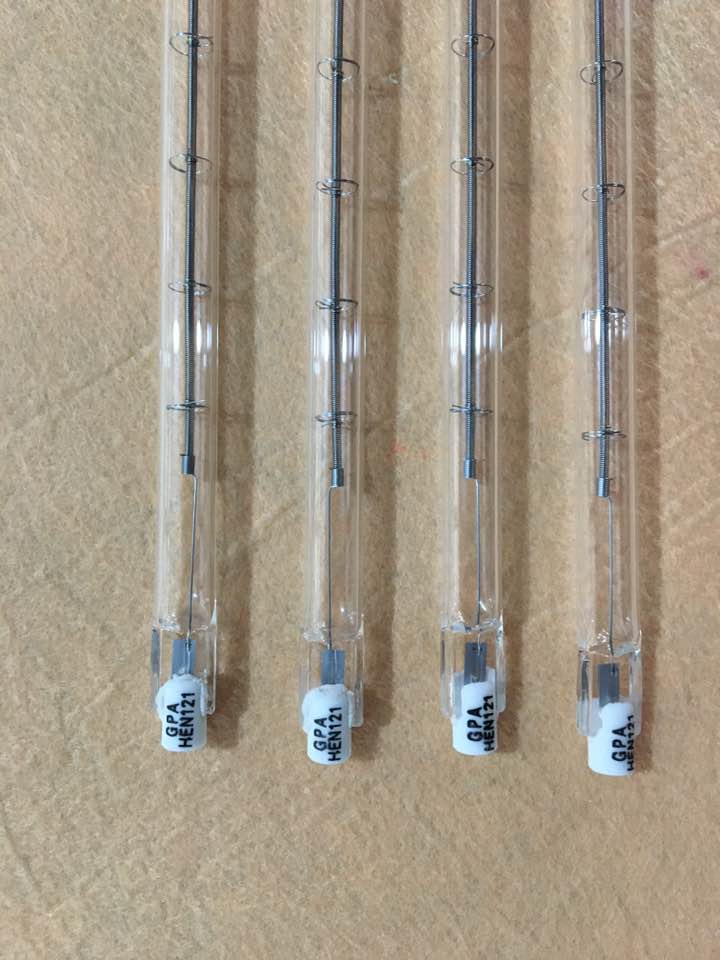
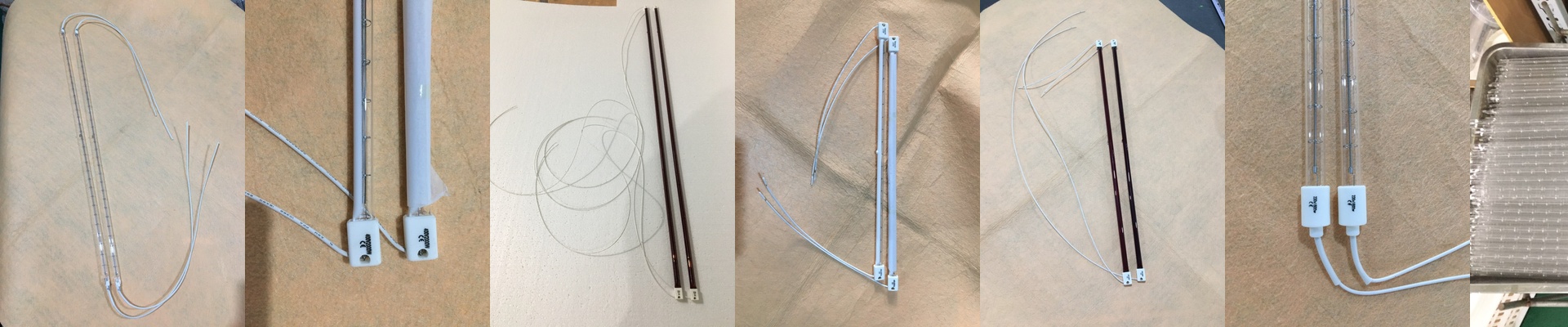
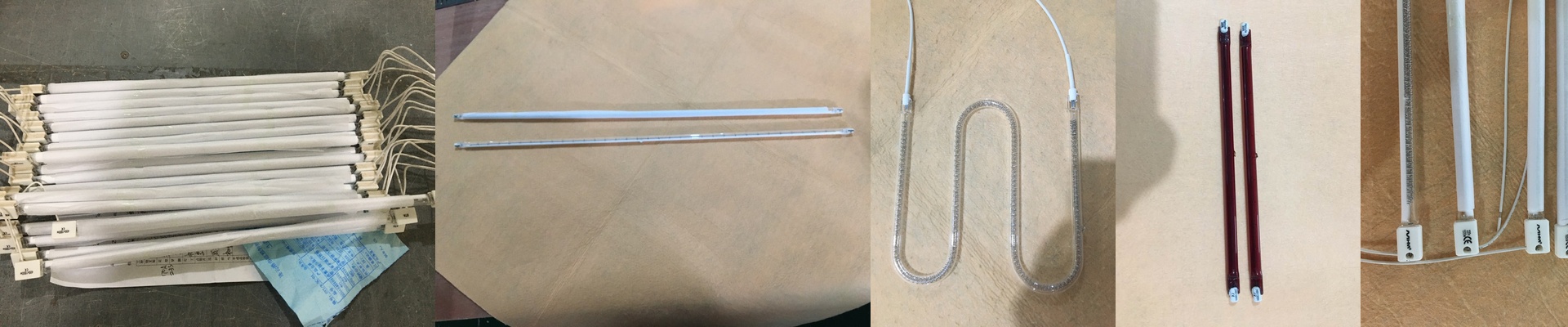
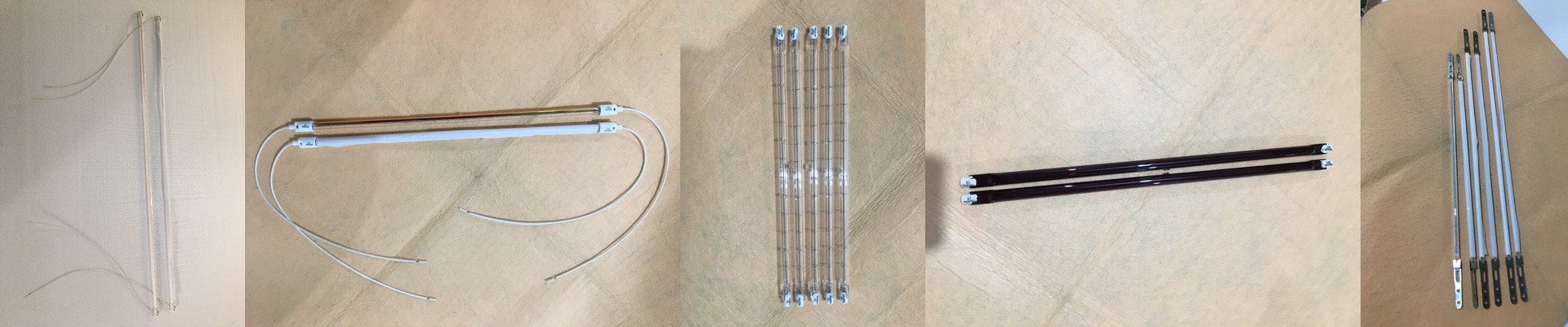
We built this 435mm, 400W halogen lamp to slide right in where your PET blowing equipment expects it. The 400W rating isn’t random—it’s the sweet spot for heat density, so preforms soften fast and stay consistent. And the 435mm length? It matches the heater block and reflector geometry in standard blow molders, so the heat lands where it should—no hot spots, no cold zones. But here’s the thing: this lamp runs hot and strong, so you’ve got to double-check the socket and wiring. If the original spec called for 400W, the whole electrical path—terminal block to socket—needs to carry the current cleanly, without voltage drop. When you pick the replacement, match wattage, length, and base type exactly. Get any of that off, and you’re inviting uneven heating, cycle drift, or a lamp that burns out way too soon.
Inside the Lamp: Quartz, Halogen, and a Base That Earns Its Keep
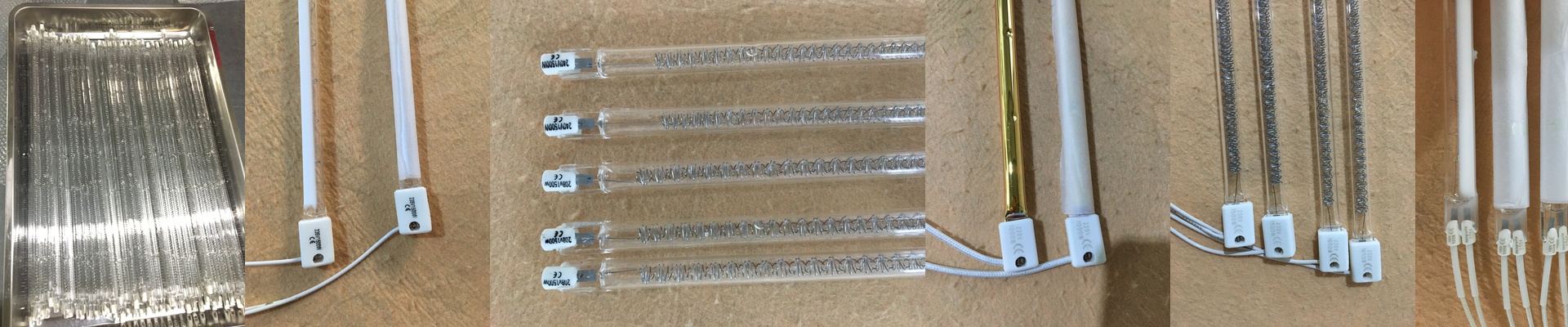
Inside, the filament lives in a quartz envelope with a halogen gas fill. The halogen cycle keeps the filament steady by putting evaporated tungsten back where it belongs. That means the output stays consistent over time—no dimming, no early failure. Quartz also handles rapid thermal cycling and the intense internal heat, so the lamp responds quickly when you need it to. The base isn’t some flimsy consumer piece. It’s built for industrial heat and vibration, giving you solid contact and making the lamp a true drop-in. When you wire it, clean the socket contacts and watch for oxidation. Bad contact leads to arcing, uneven heat, and a short life—so give it the attention it deserves.
Built for the PET Blow Molding Heat Profile
In PET blowing, timing is everything. The heater has to come up fast and hold steady. This lamp’s short-wave output delivers controllable heat quickly, so the preform surface hits the right temperature without turning the whole machine into a sauna. The payoff? Tight, repeatable cycle times. Now, let’s be real: packing 400W into a 435mm footprint makes for a hot lamp. It can take the heat—but the surrounding parts need to be ready, too. Make sure the reflector is in good shape, airflow stays clear, and the machine’s temperature control is dialed in. Keep it within the rated voltage, and you get stable heat, predictable cycles, and fewer surprise stops.