Why “Budget” Doesn’t Have to Mean “Cheap” When it Comes to Heat Lamps
Let’s be honest. When you see a lower price tag, you usually expect the product to die a lot faster. It’s how things work. But with infrared bulbs, it really comes down to two things: the glass and the wire inside. We use the exact same raw materials as those big-name, expensive brands. Why? Because we don’t want you climbing a ladder to replace a burnt-out bulb every two weeks.
The Science (Without the Boring Part)
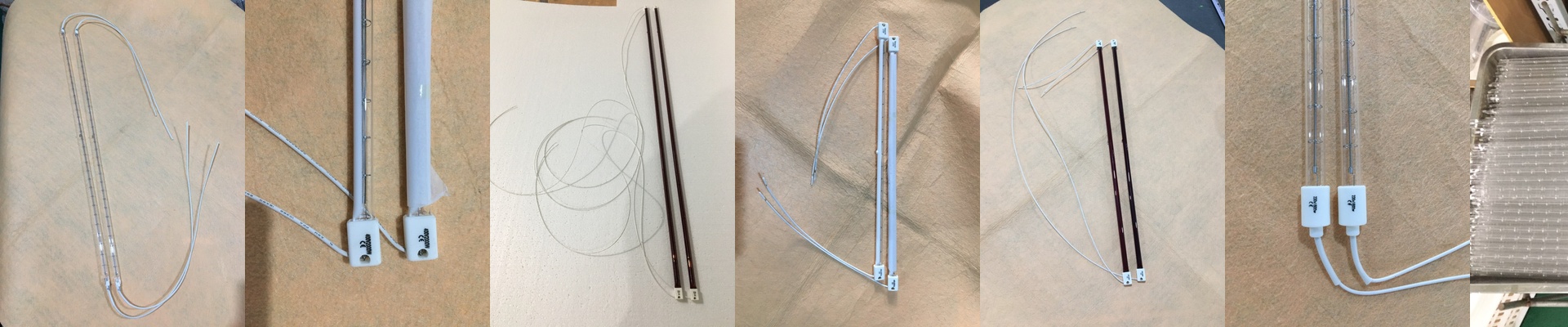
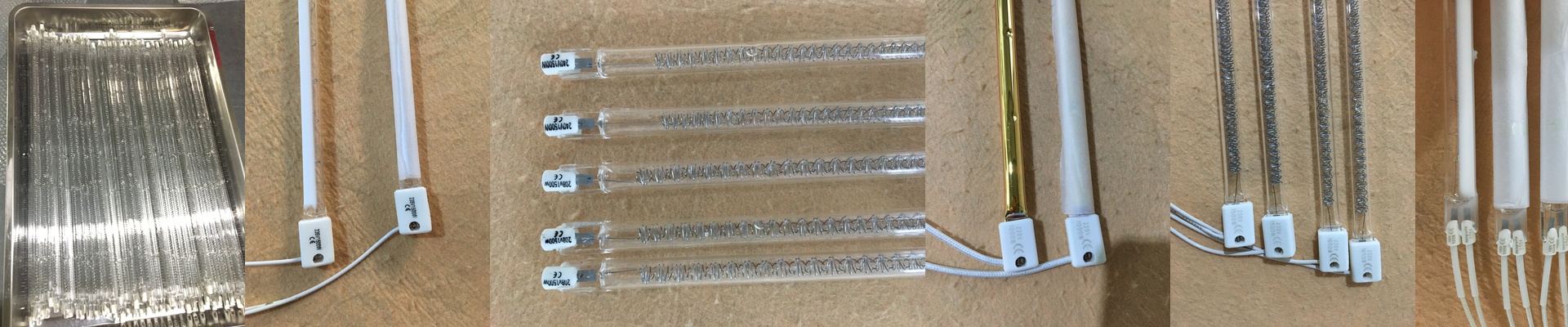
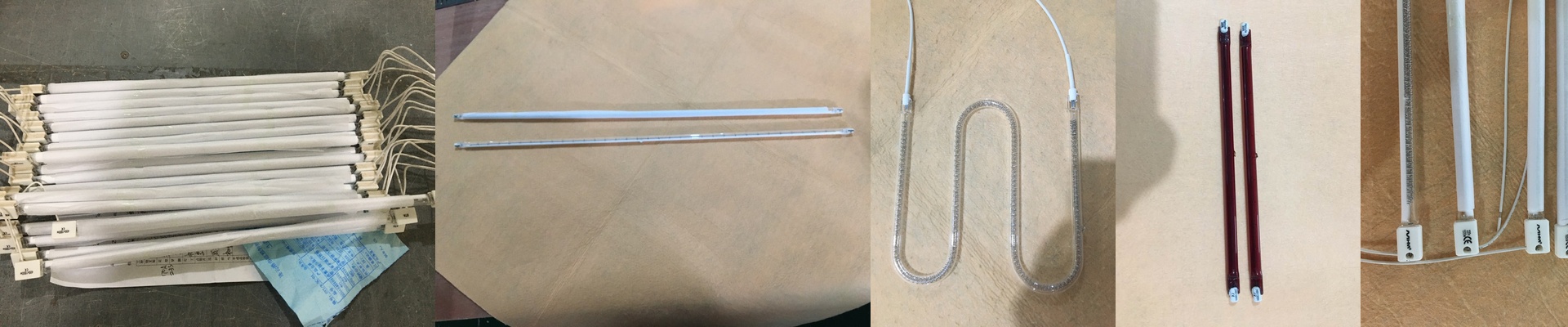
The outer shell is made of high-silica quartz. This is a big deal. If you use cheap glass, a single cold draft hitting a hot bulb can cause the whole thing to shatter. Not great. Our quartz handles that thermal shock without breaking a sweat. Then there’s the filament—the actual heart of the lamp. We use a tungsten alloy that doesn’t just “evaporate” under high heat. When cheap filaments thin out, they snap. By getting the grain size of the metal just right, our bulbs last as long as the premium labels you’ve seen for double the price.
A Quick Heads-Up on Power
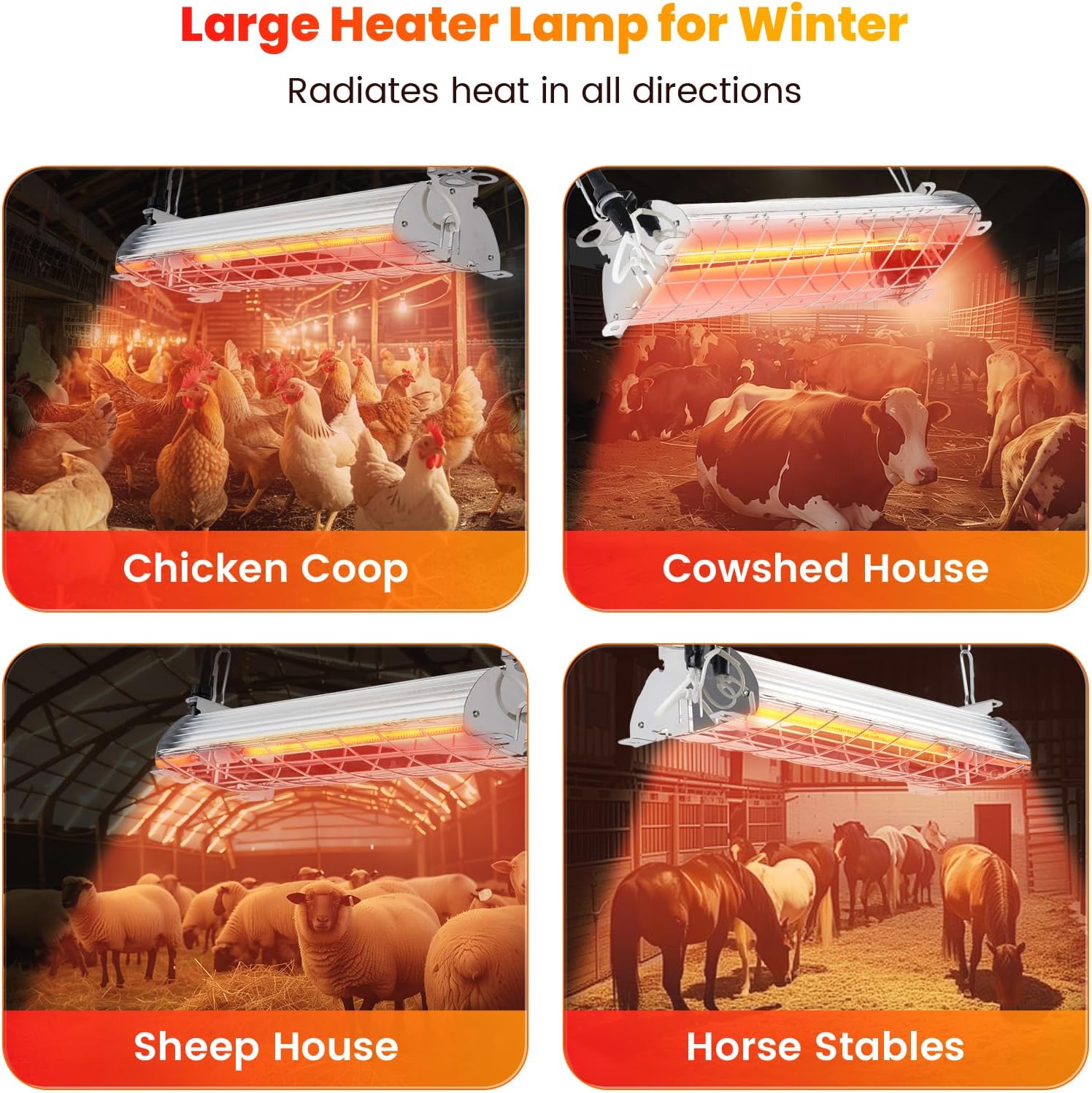
These bulbs put out a ton of heat. It’s instant, it’s intense, and your animals will love it. But here is the catch: they pull a lot of power. Just make sure your wiring can actually handle the total wattage you’re plugging in. If you overload the circuit, you’ll get a voltage drop. Sure, the bulb might technically last longer that way, but your heat efficiency will tank, and your livestock will be shivering.
Getting Them Set Up
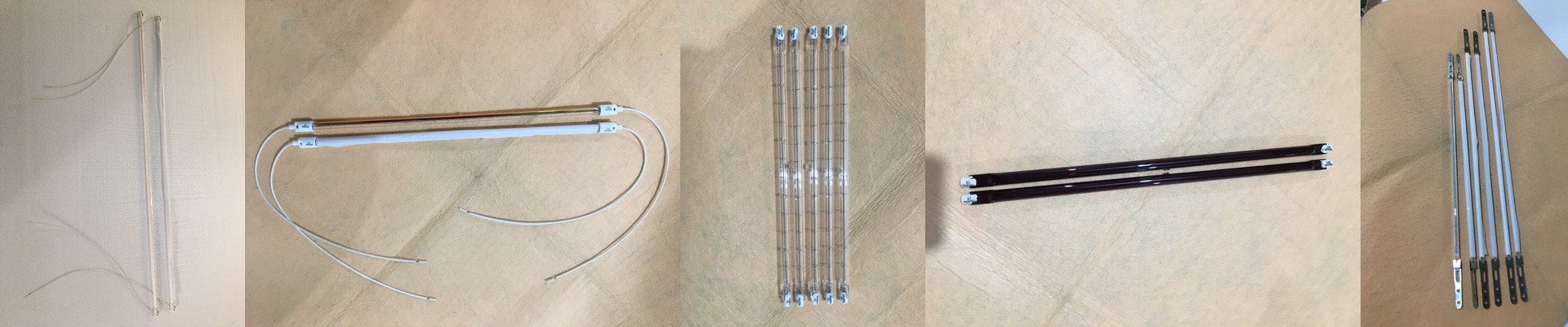
We made these “drop-in” replacements. They fit standard sockets, so you can just swap them out without having to rewire your entire pen. Simple. We also beefed up the contact points to stop any sparking. One last tip: keep them clean. Dust and animal dander can create “hot spots” on the glass, which is the fastest way to kill a bulb. Give them a quick wipe, and you’re good to go.