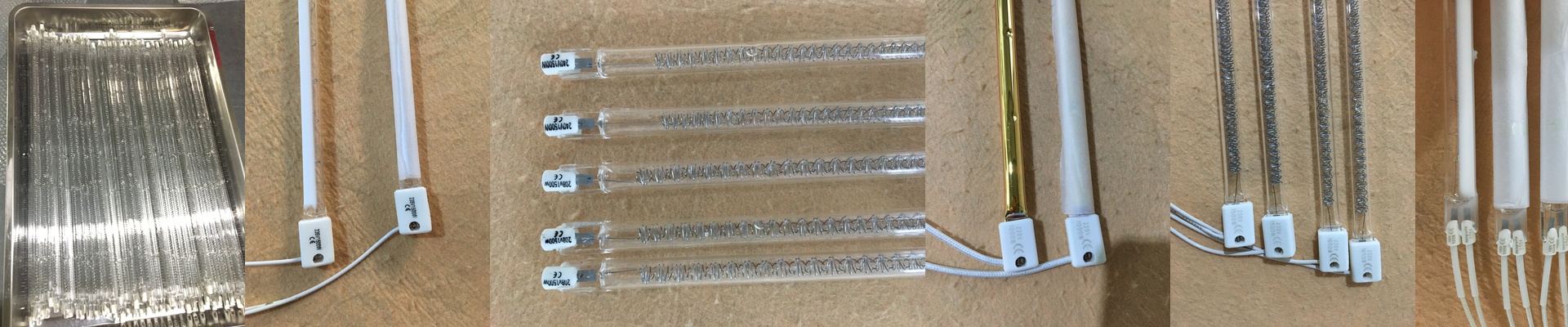
Greenhouse Infrared Halogen Heaters: Why We Built Them, and How They Work
We built these greenhouse infrared halogen Heaters for one simple reason. To give you heat you can actually control—heat that goes straight to your plants and soil, instead of just warming the air around them.
The power, in plain terms
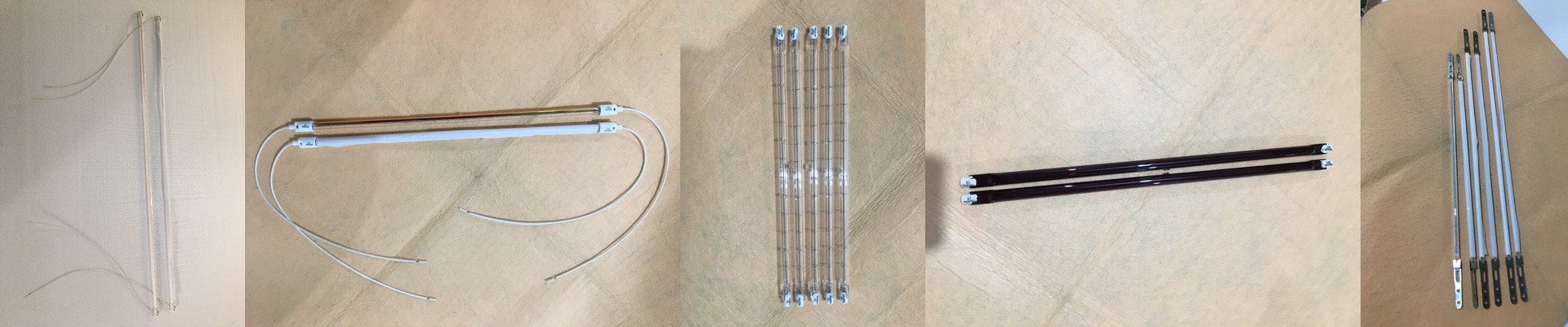
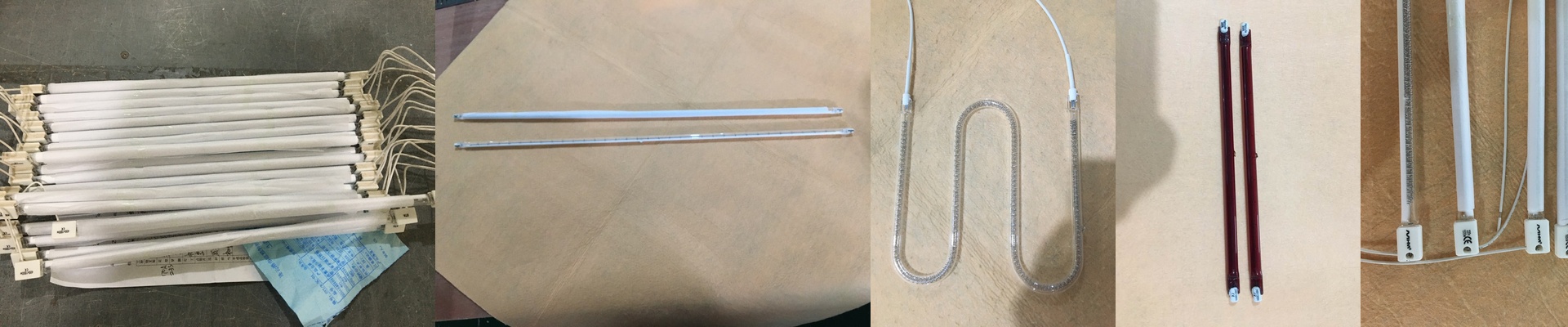
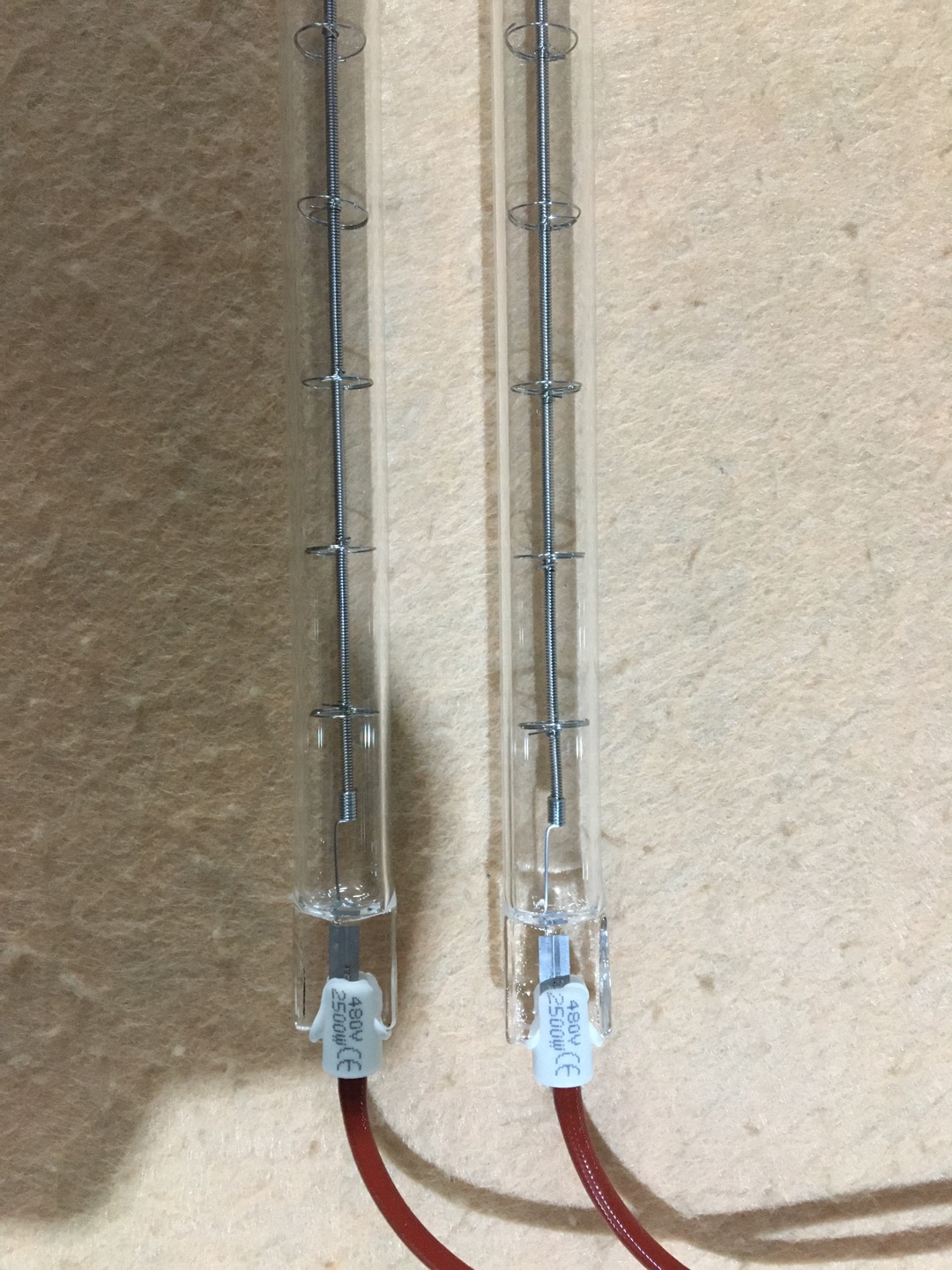
Here’s the heart of it: a lot of heat packed into a small tube. You get 2500W of output in just 300mm of length. That means serious heat, right where you need it. And the 400V rating? That keeps the current manageable, even when you’re running longer lines. That 300mm length also gives you a tight focal zone. So the warmth lands on the target—your plants—instead of fading away across the whole greenhouse.
What makes the design hold up
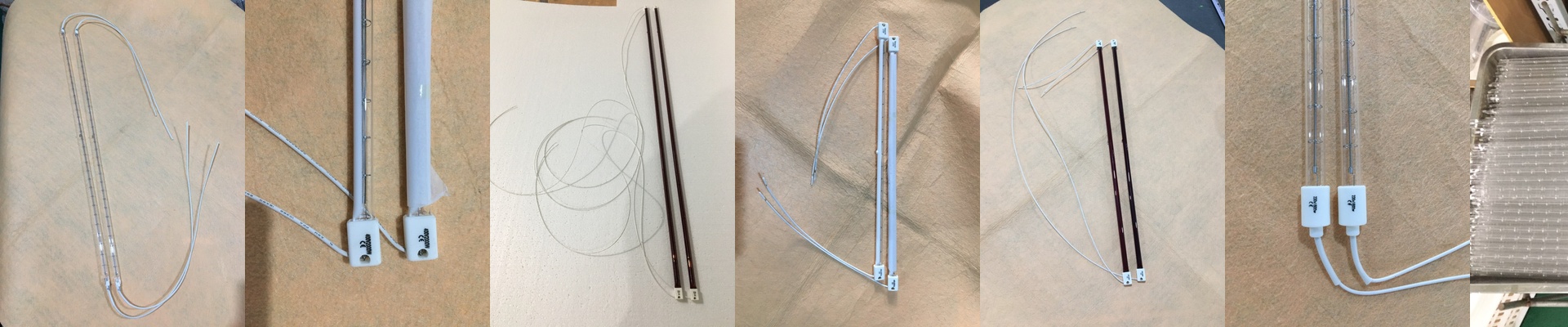
The halogen cycle keeps the filament stable, even when things run hot. So you get consistent output over time, without the performance drift that can ruin a growing cycle. The quartz envelope handles sudden temperature changes and stays clear, even after repeated on/off cycles. No clouding. No surprises. And that reflective coating? It pushes more infrared energy forward, so more of the heat actually reaches your crop. The R7s connector is a practical choice, too. It handles the current, makes lamp swaps quick, and keeps a solid connection—even in a humid greenhouse.
What it feels like in a real greenhouse
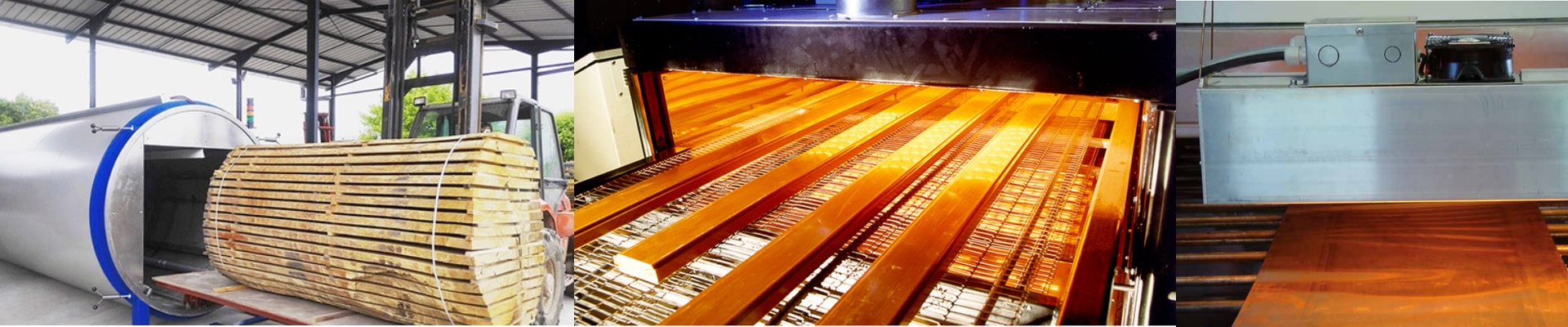
In practice, infrared heat cuts down on warm-air stratification. It targets the thermal mass in your plant canopy, so you’re warming the living parts, not just the empty space. The footprint is small, which means you can add heat in zones without overhauling your entire heating setup. Just keep in mind: this is a high-performance element. It delivers serious heat density. Plan for heat dissipation and airflow, because the hardware around it will feel the ambient temperature rise during continuous operation.