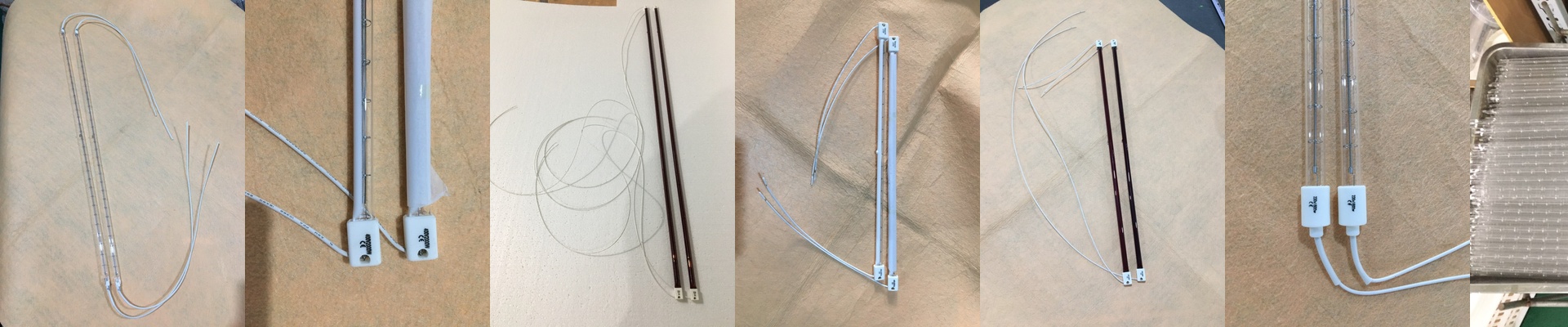
We built these halogen medium wave infrared heaters for one simple reason: to pack a ton of heat into a small space—and do it fast.
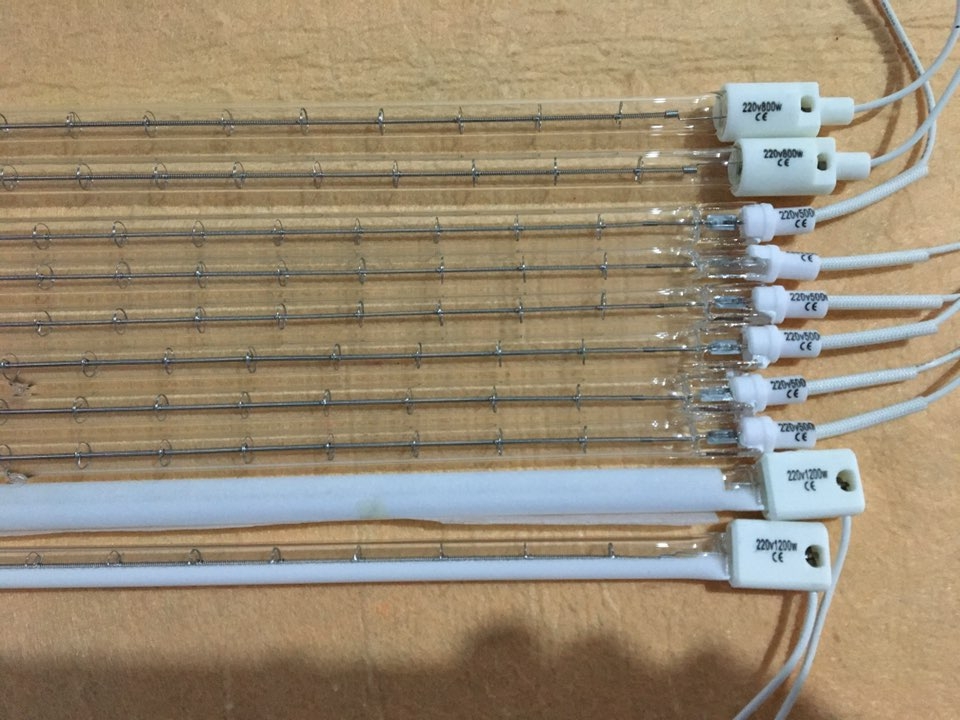
Unlike broader emitters, these lamps zero in on the 1.5–3.0 µm band. That wavelength “clicks” with plastics and glass, so you get quicker heating and far less wasted energy.
Power, voltage, and size—made simple
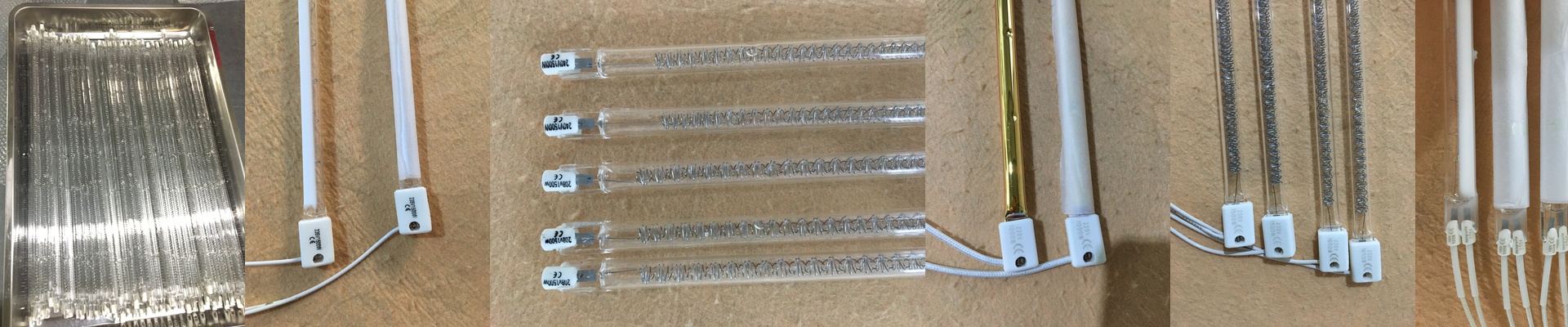
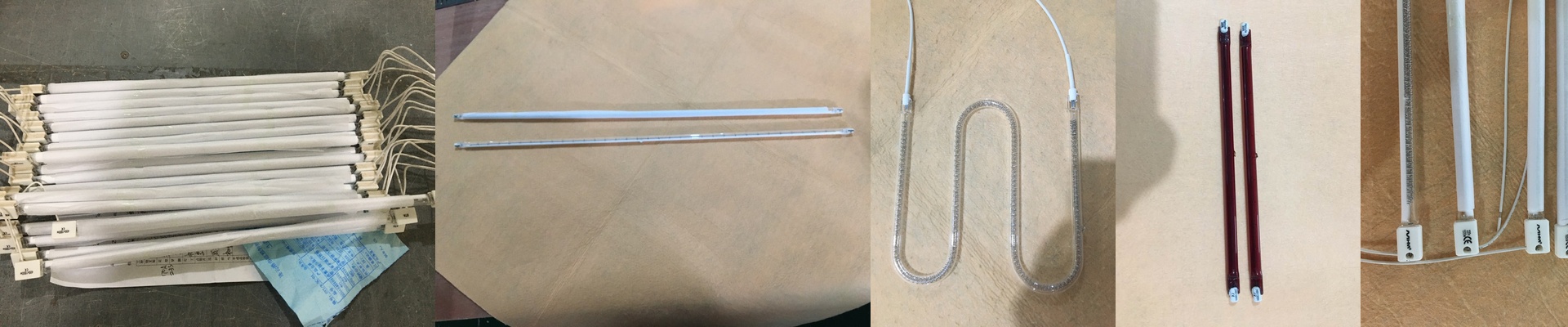
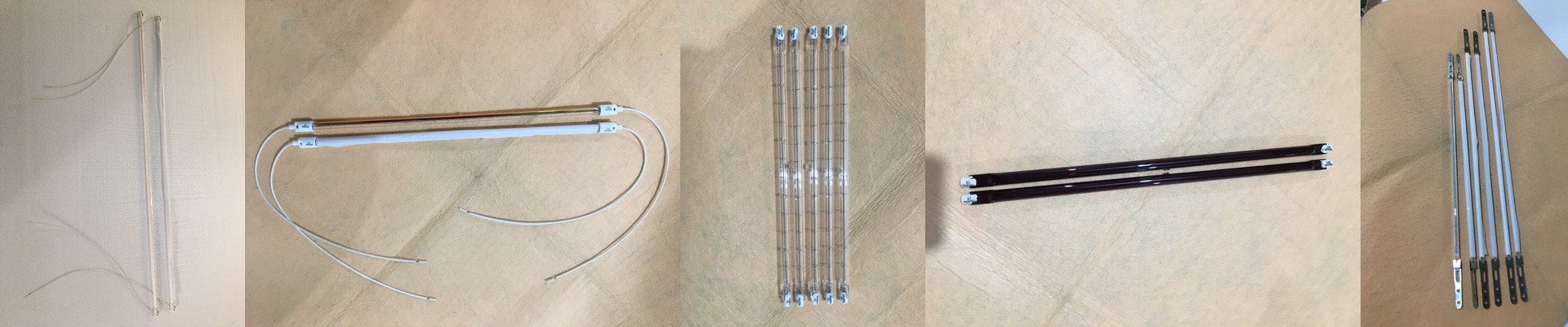
At the heart is a compact quartz tube that can handle some serious filament heat. Most setups run at 400V, which lets us deliver high power in a short package—often around 300 mm—without needing a bulky, low-resistance design. High voltage means lower current for the same wattage. So the wiring stays cooler, the terminals carry less amp load, and your control gear can stay smaller. You end up with dense heat right where you need it. We don’t treat wattage like a one-size-fits-all number. We match the lamp to the heat load your target actually absorbs, tuning length, wattage, and voltage together so the filament stays in its sweet spot and the spectrum stays in the medium wave band.
The design that keeps it honest
Inside the tube, halogen chemistry does a neat trick: it sends evaporated tungsten back to the filament. The result? Stable output over time and far less blackening. The quartz envelope handles rapid on/off cycling without cracking under thermal shock, and it stays transparent where it matters—in that medium wave range. For the connector, we use an R7s. It gives solid two-point contact and a firm mechanical hold, especially in tight reflector setups. The bi-pin design is straightforward to wire, and it keeps the lamp centered in the focal plane.
Where this shines—and what to watch for
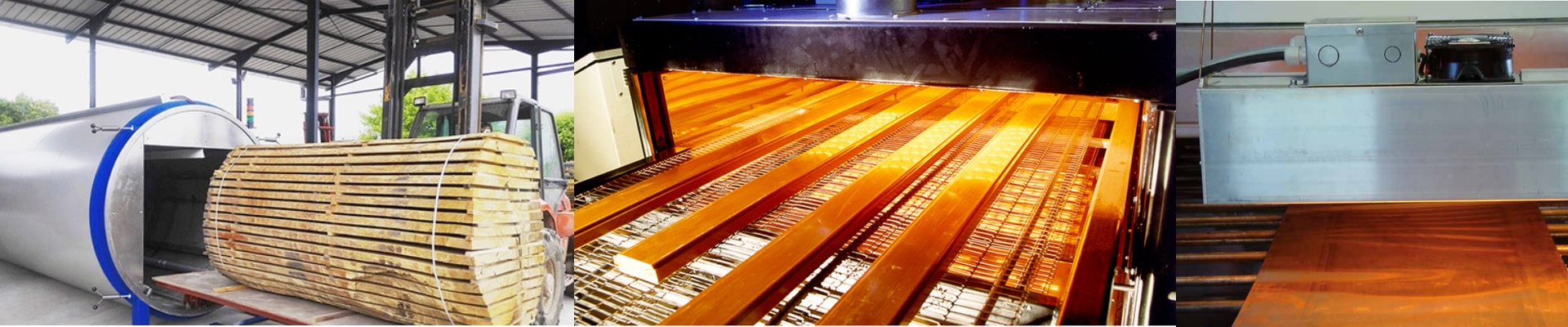
These medium wave halogen lamps are a natural fit when you need fast, localized heating—like pre-heating plastics before forming, PET pre-heat, or glass tempering zones. The response is quick enough to keep pace with your cycle without overshoot. That said, high heat density comes with a condition: you need proper thermal management. Plan for reflectors and enclosures that shed heat well, and use airflow or shielding to protect nearby parts. When the geometry and cooling are set up right, you get repeatable heat with predictable output—and a lamp that’s easy to swap in when service is due.