Stop Heating the Air and Start Drying the Wood
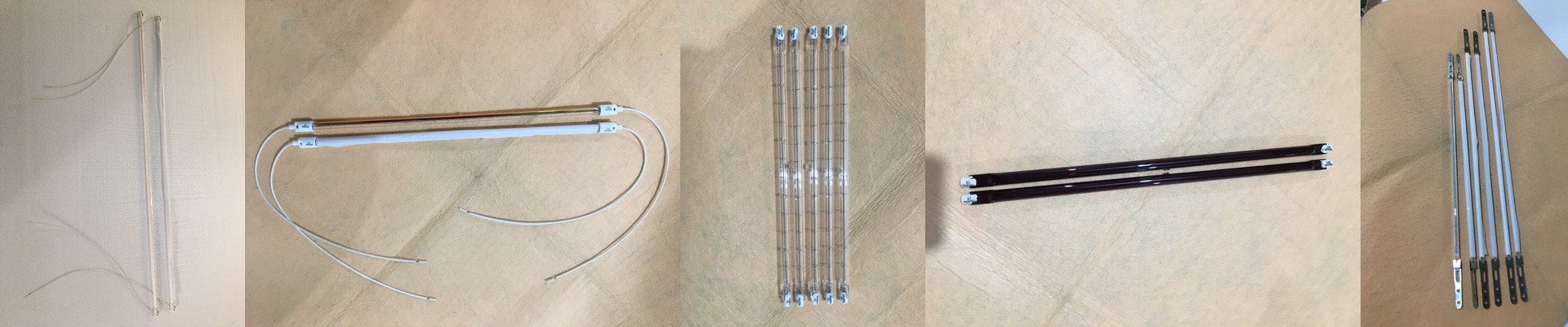
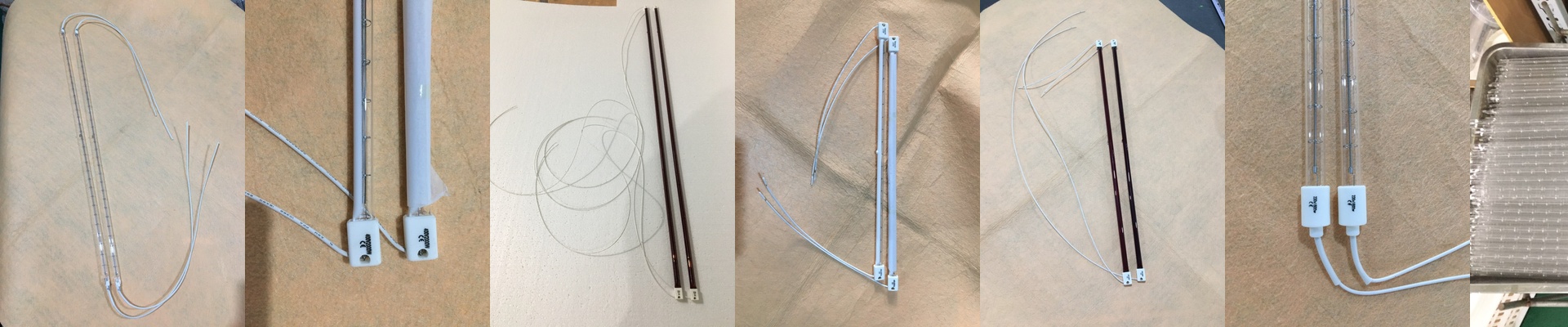
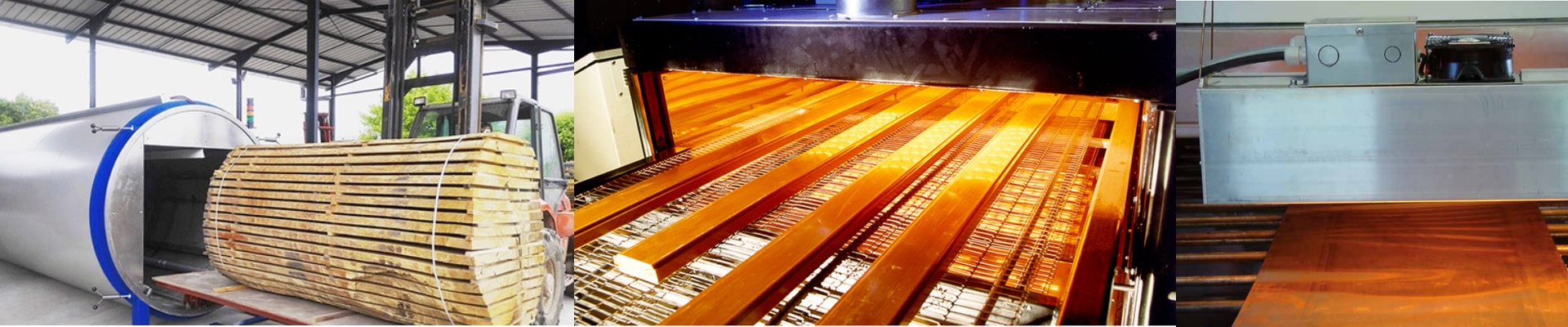
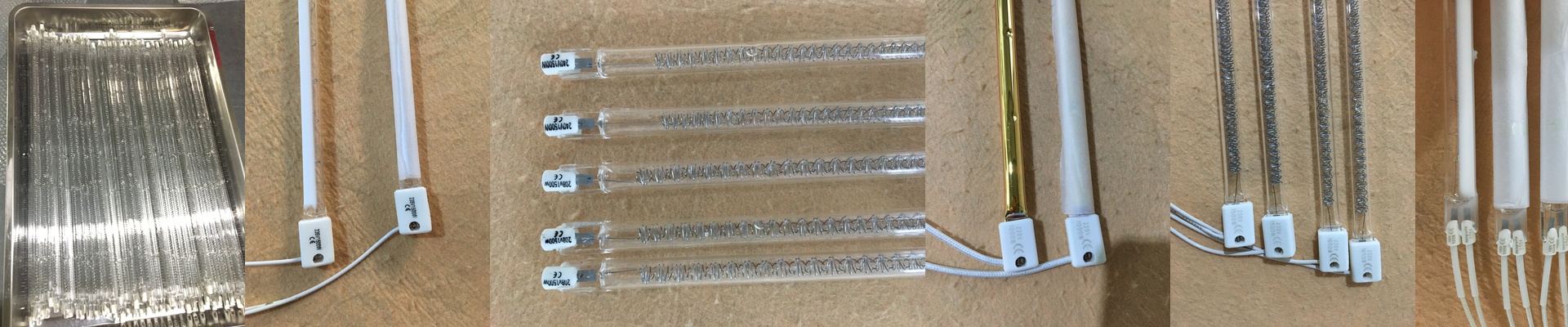
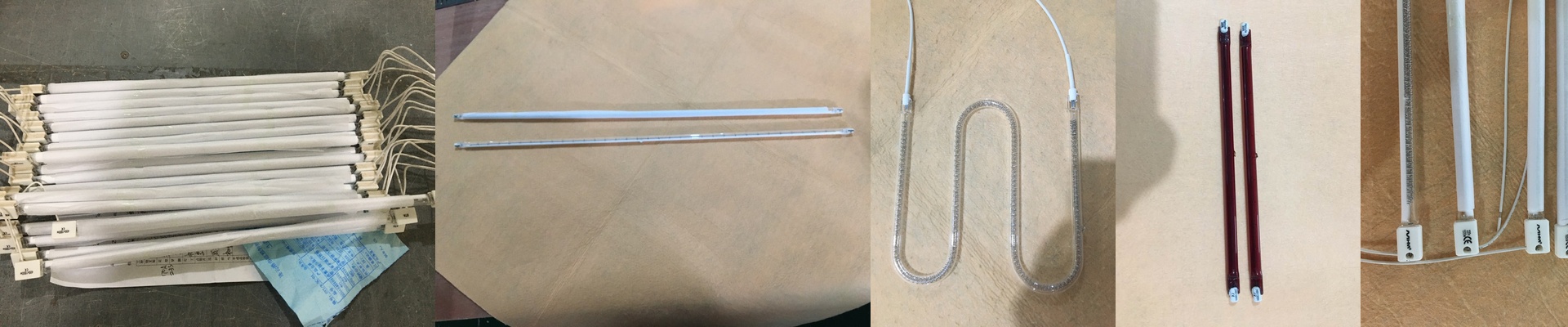
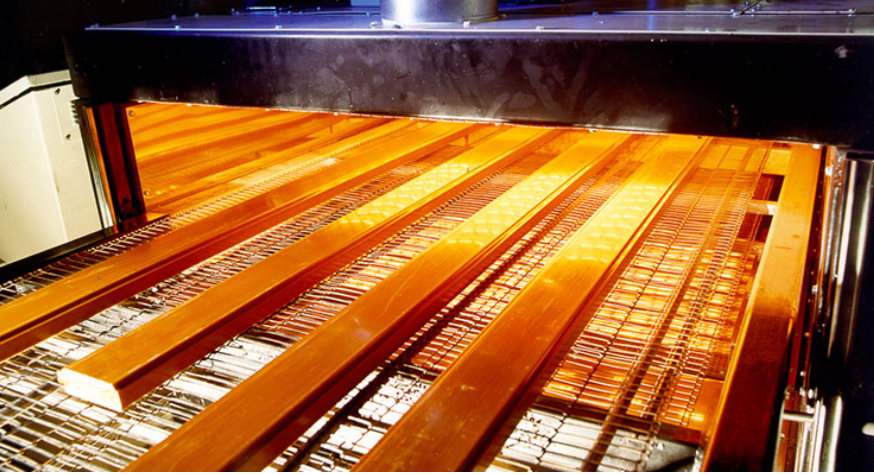
Most furniture shops are basically burning money. They use these massive drying kilns that heat up the entire room—walls, ceiling, and air—just to get a few pieces of timber dry. It’s a waste. If you switch to infrared (IR) lamps, you’re changing the whole approach. Instead of waiting for hot air to do the work, IR lamps shoot energy straight into the wood fibers. It’s a direct hit. Here is why that matters for your electric bill: air is a terrible way to move heat. It’s inefficient. Shortwave and medium-wave IR lamps use electromagnetic radiation to sink deep into the timber, pushing the moisture out from the core much faster. The real magic happens when you stop heating the whole shop and start using “zones.” You only turn on the lamps sitting directly over your material. If there’s no wood under the lamp, the lamp stays off. Simple. But you can’t just throw any bulb in there. You’ve got to get the wattage and voltage right to get the heat density you need. We use high-purity quartz tubes because they can handle the heat without warping. If you use cheap glass, it’ll buckle under the stress. One heads-up: make sure your power supply matches your lamp’s voltage. If they don’t click, you’ll either get a weak heat or you’ll fry the filament instantly. And watch your timing. These lamps are intense. If your conveyor belt is crawling too slowly, you’re going to scorch your wood. You have to find that sweet spot between how hot the lamp is and how fast the line is moving. When it comes to setup, we keep these as drop-in replacements. No need to rebuild your whole chassis or spend a weekend rewiring everything. They just plug in and work. To keep them lasting, just keep the glass clean. Dust and resin build up over time, and that creates hotspots. Those hotspots are what crack the tubes. Give them a quick wipe-down every now and then. It takes two seconds, and it keeps your filaments from burning out early.