Introduction
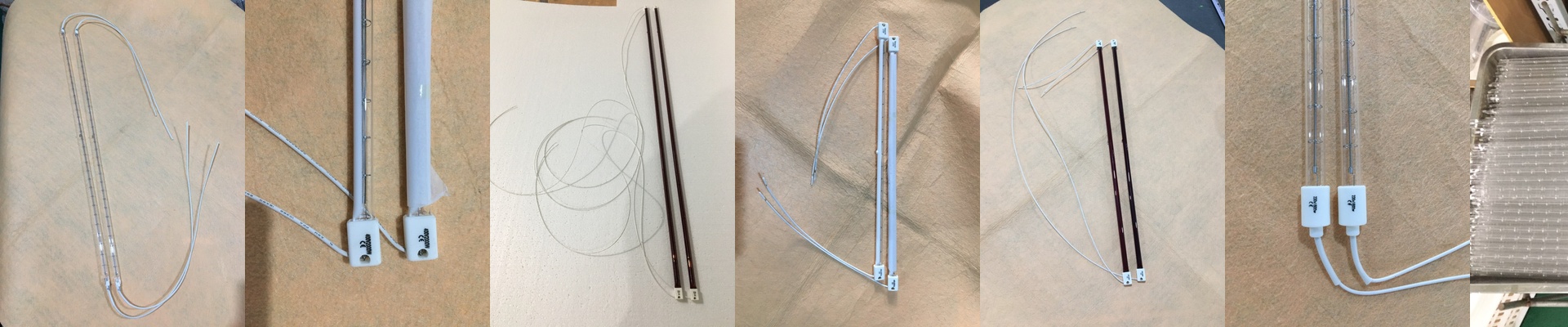
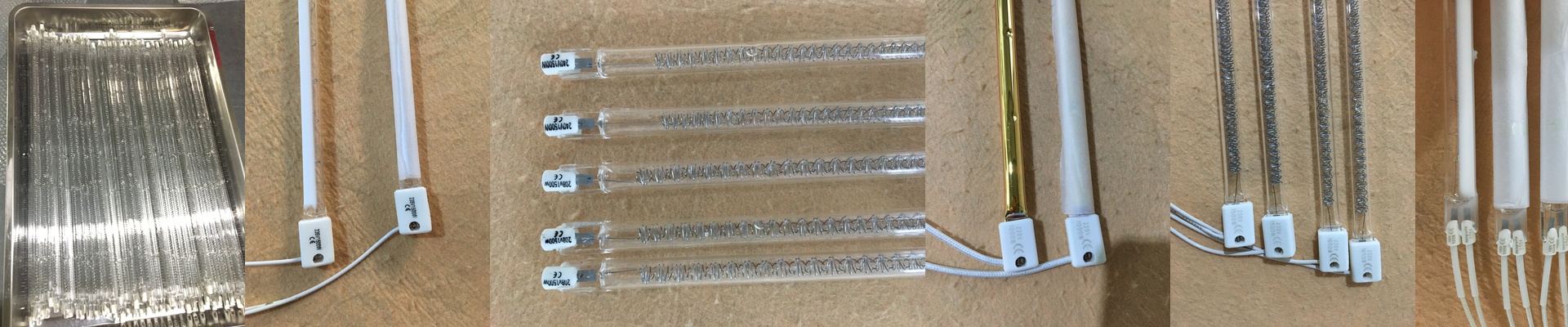
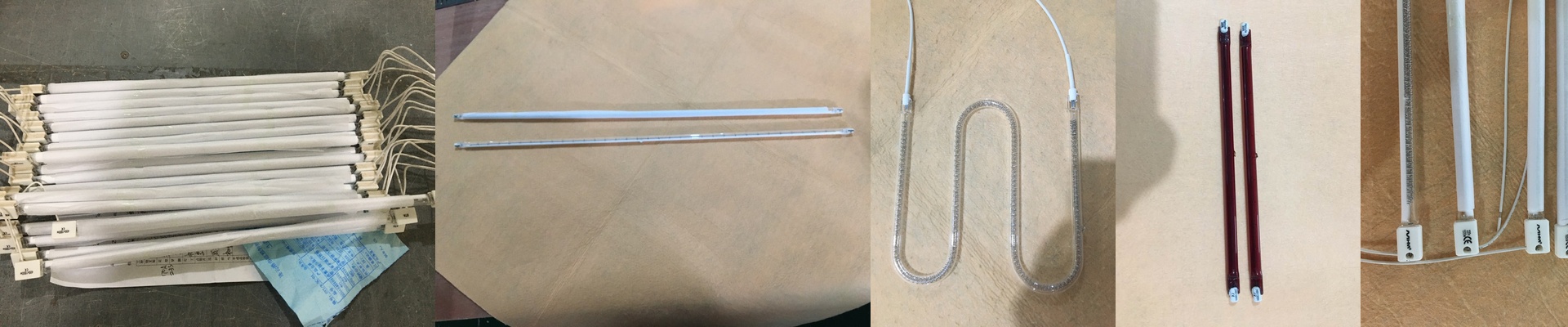
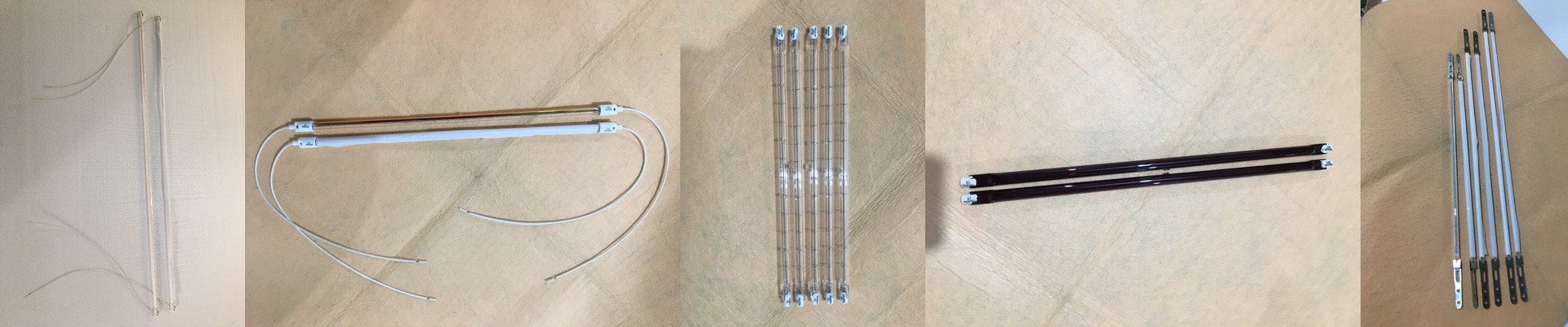
We built the 10mm 300W halogen replacement to be a straight-up, drop-in heating element—no fuss, no drama. It’s for equipment where space is tight and you absolutely can’t compromise on heat. This isn’t a general-purpose bulb. It’s a focused thermal tool, made to fit the exact power, size, and electrical needs of the machine.
Power, Voltage, and Size—Let’s Break It Down
The 300W rating tells you what kind of heat you’ll get at the rated voltage. That wattage was chosen to give you a predictable temperature rise in those cramped spots. The 10mm diameter is the key mechanical detail. It sets the boundaries for clearance, holder fit, and how well the heat transfers. A smaller diameter concentrates the heat flux, but it also pushes the filament temperature higher for the same wattage. Voltage has to match the machine’s control circuit. Run it at the right voltage and you keep the current within the safe range for the socket, wiring, and connections. Swap in the wrong voltage and you either fall short on heat or overload the circuit—and that’s how you get early failures.
What’s Inside: Halogen Chemistry and the Connection
Halogen technology keeps the envelope clean by letting the filament run hotter without that quick blackening you’d expect. The fill gas has a halogen additive that catches evaporated tungsten and puts it back on the filament. That cycle keeps output steady over the life of the lamp and helps you hold a consistent process temperature. The quartz envelope is built to handle high filament temps and resist thermal shock. And the R7s connector? It’s standard for this size because it gives you rigid, two-point support and repeatable alignment. When you wire it in, R7s gives you a solid mechanical fit and a dependable electrical connection—without taking up extra space.
Where It Shines: Big Heat in a Small Package
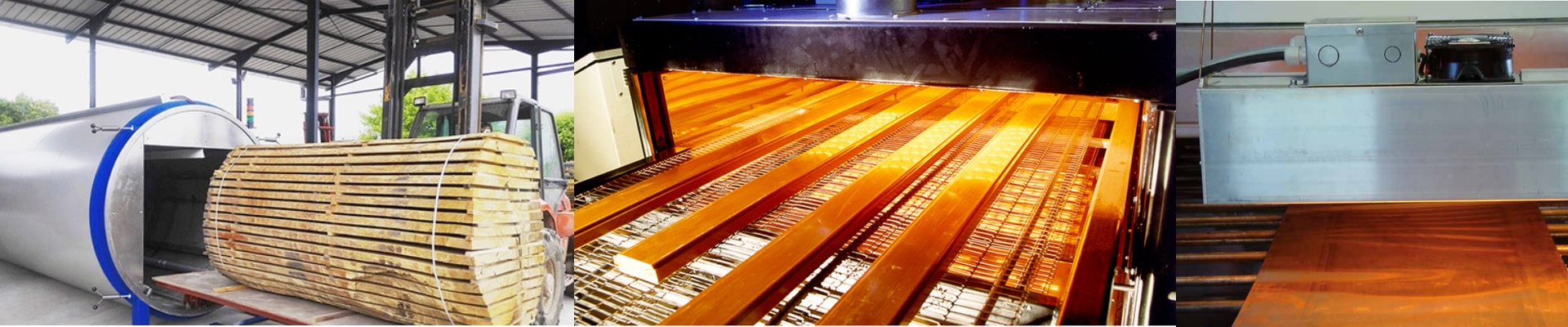
This setup is made for applications that need intense, localized heat in a limited area. It’s the kind of element you spec for heating small zones, drying components, or thermal control in machinery that was designed around a 10mm halogen element. The upside is fast warm-up and predictable output in a tiny footprint. But here’s the trade-off: high heat density means the surrounding components and the machine’s cooling path have to handle the extra ambient heat. So plan your mounting, clearance, and ventilation accordingly. For engineers, the win is straightforward: a standardized replacement that matches the original footprint, termination, and power profile. That means less downtime and performance you can count on, again and again.