Introduction
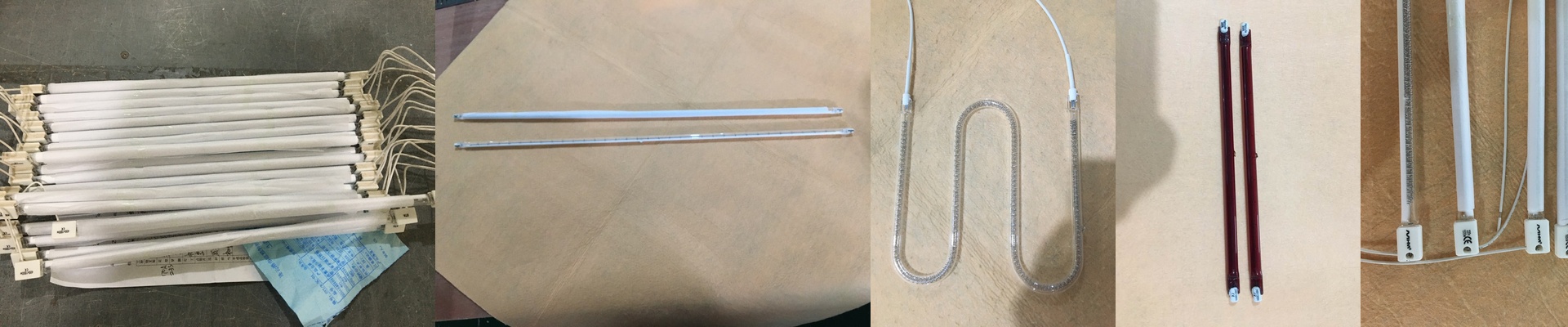
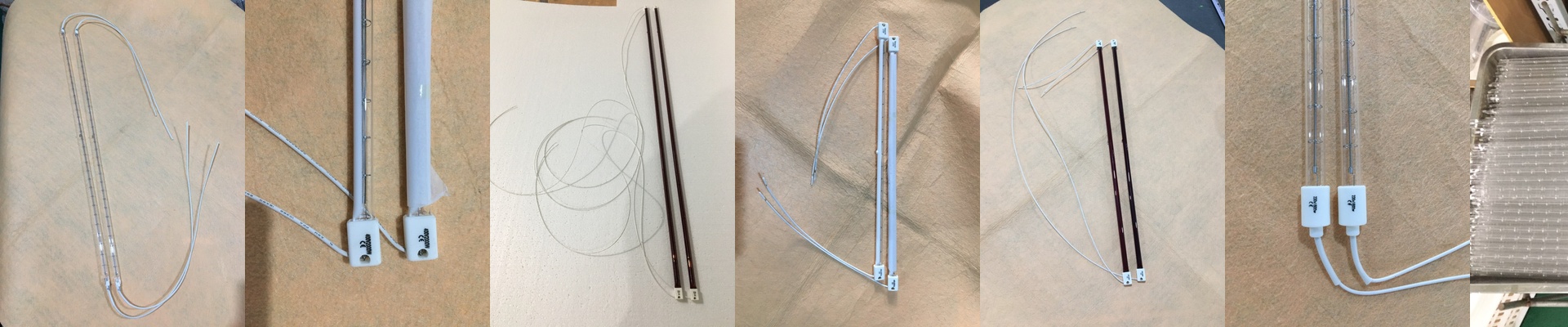
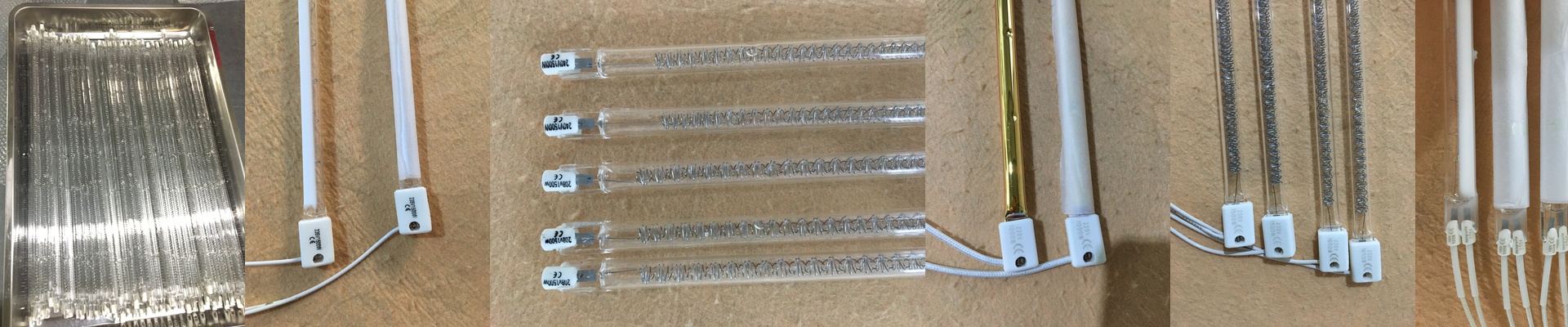
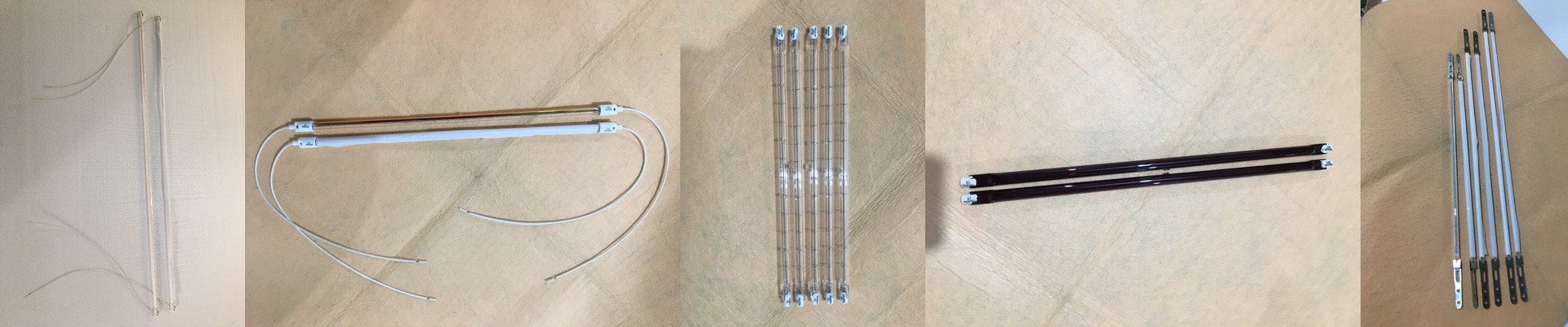
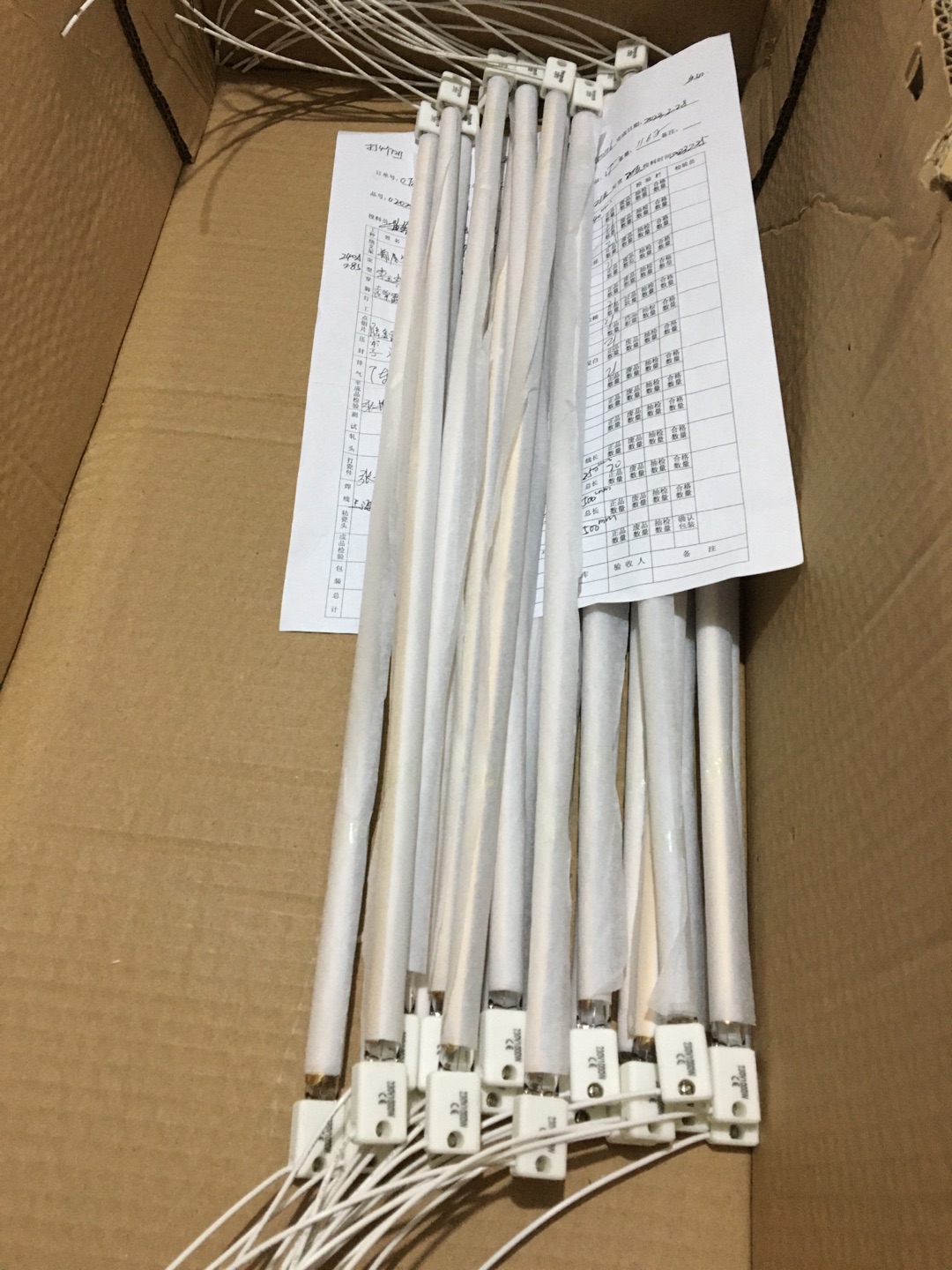
We built this 222mm, 144V halogen heating lamp for engineers who need a heat source that’s small, predictable, and just works. It’s a quartz-halogen infrared emitter, designed to give you steady, reliable heat in a package that slips right into tight spots.
Power, Voltage, and Size: The Sweet Spot
At 222mm long, it gives you a focused heating zone. It’s long enough to get the job done, but short enough to fit inside cramped machine spaces without forcing you to redesign the whole assembly. And that 144V rating? It’s not a random choice. It’s there to pack in serious heat density while keeping the current under control. So you get more wattage per inch, without worrying about overloading your wiring or control gear. The result? A thermal profile you can count on, every single time. You size the heater to the job—not the other way around.
The Inside Story: Halogen, Quartz, and a Smart Base
The halogen cycle does a quiet, steady job keeping the filament clean and stable. In real terms, that means consistent output over the life of the lamp. Fewer dips in performance. Less fiddling and re-tuning on the production line. The quartz envelope handles the shock of rapid on/off cycles without cracking, and it stays clear in the infrared range. So the heat comes through strong, every time. Then there’s the R7s base. It’s the practical choice. Two solid mounting points lock the tube in place, so alignment stays true. Wiring is straightforward—no special sockets, just a proven industrial interface that’s quick to install and tough enough for the daily grind.
Where It Shines (And a Reality Check)
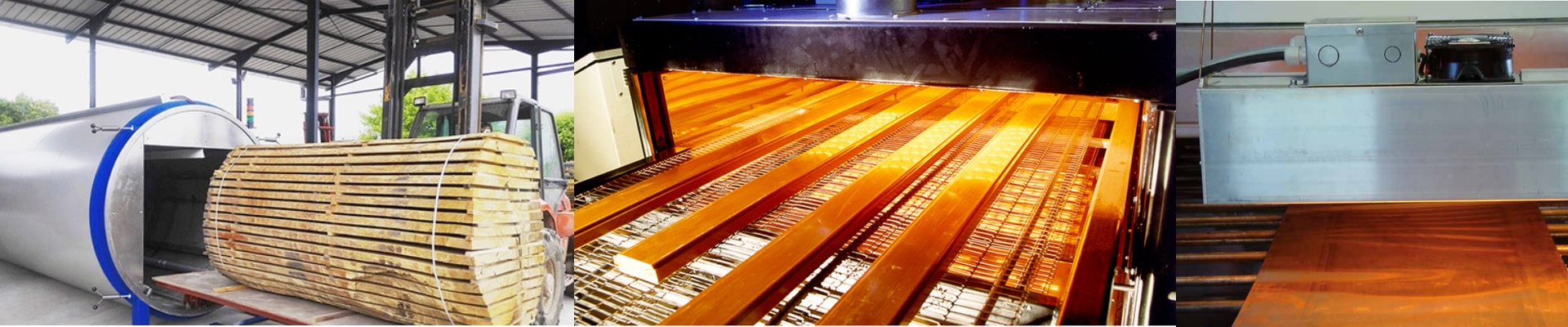
This lamp is your go-to when you need fast infrared heat in a small footprint. Perfect for preheating parts, localized drying, or heating zones on packaging and converting equipment. The 144V rating, compact size, and R7s mounting make it a simple drop-in replacement. Easy to install. Even easier to maintain. Now, a heads-up: more power density means more concentrated heat. So take a moment to check your reflector setup, and make sure your machine has the right cooling and clearance. Keeping components and operators safe is part of the job, too.