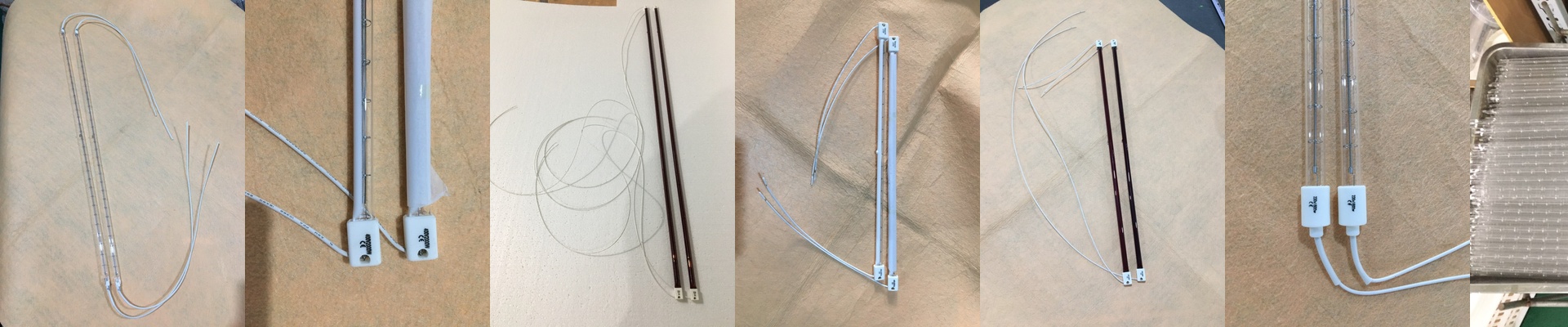
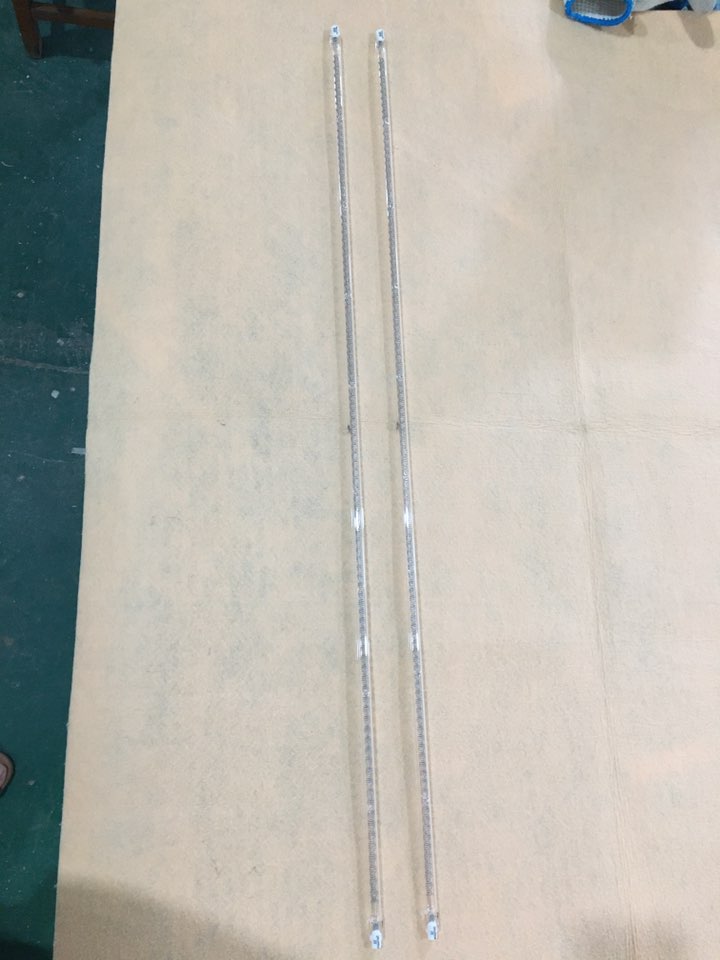
Getting the R7s Halogen Interface Right
Think of an R7s lamp holder as the handshake between your power source and those linear halogen heating tubes. It’s a simple job on paper, but in reality, it’s a battle against heat. If you don’t get the design right, you’re looking at melted housings or electrical contacts that just give up.
Dealing with Heat and Power
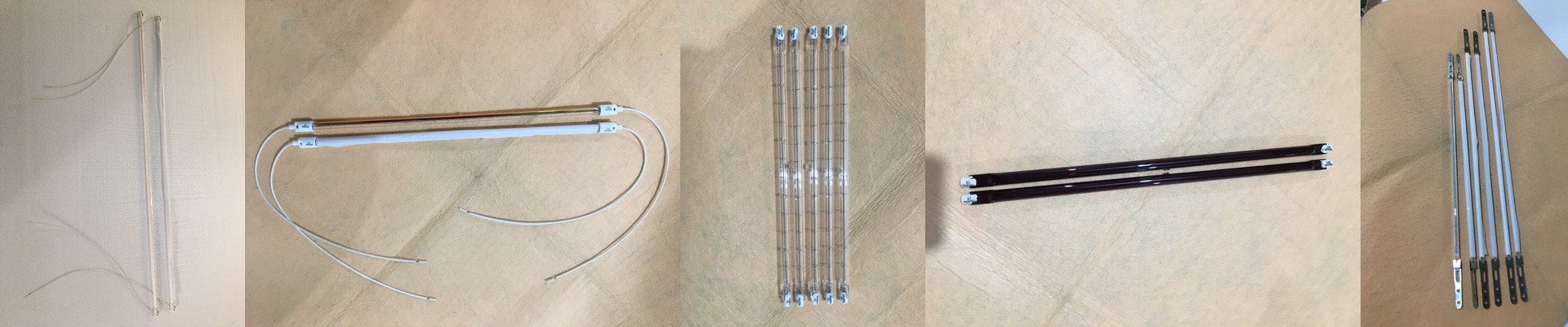
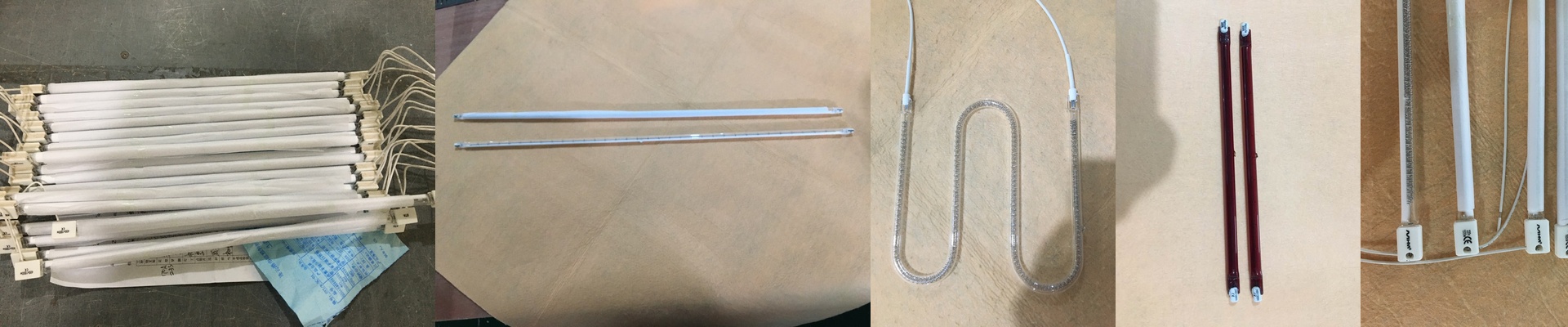
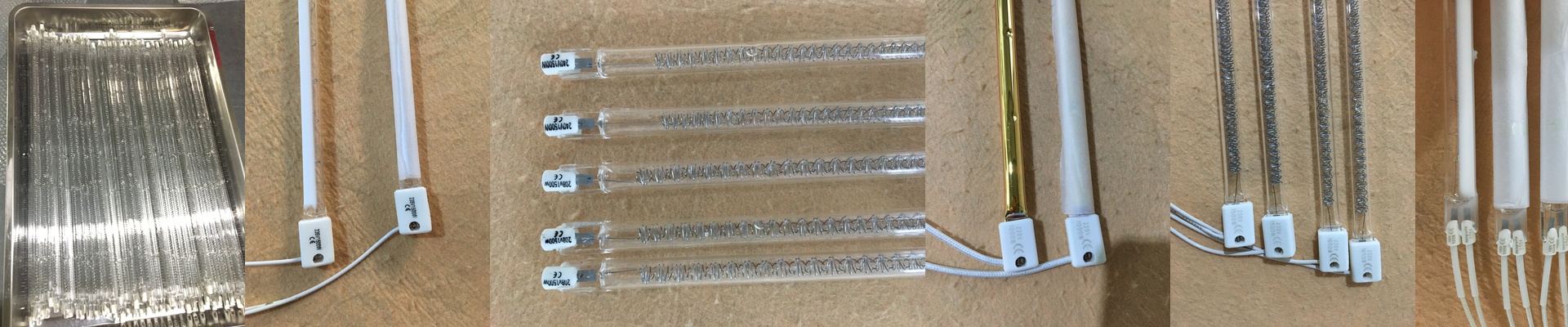
The R7s uses a push-in spring contact. It’s a clever little system that keeps everything tight. Why does that matter? Because a loose connection is a nightmare. It leads to arcing, and before you know it, your terminals are burnt out. When you’re picking a holder for high-wattage tubes, you’ve got to be honest about the power draw. If you’re running 230V or 400V, you need enough insulation space so you don’t end up with a short circuit. But the real enemy here is the heat. Halogen tubes get incredibly hot, and that heat travels right back toward the ends of the lamp. That’s why we stick to high-temp ceramics or polymers that won’t warp when things get sweaty. **Here’s a tip:**If you’re stuffing a 2500W tube into a tight box, the air is going to get stagnant. If you don’t leave room for the heat to escape, your holder will probably die long before the lamp does.
Making it Fit
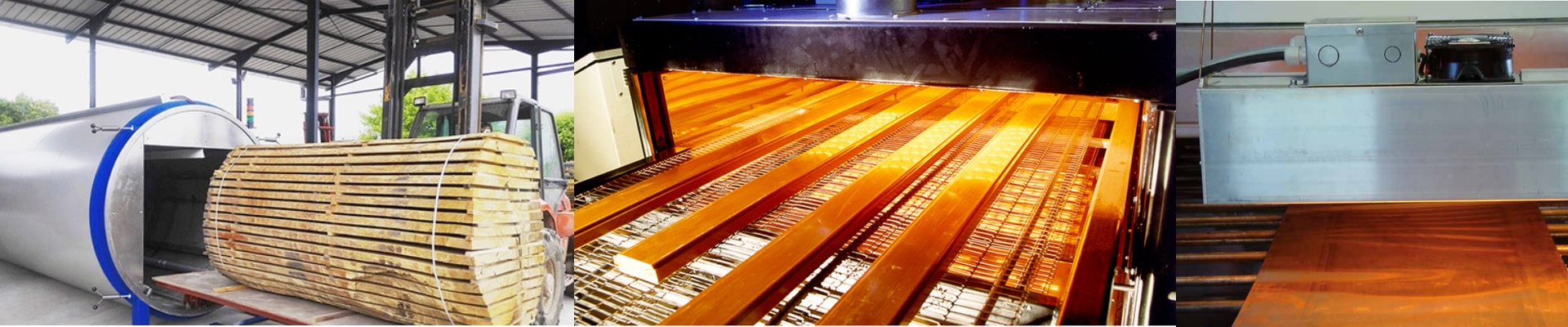
The best part about the R7s footprint is that it just works. It’s a drop-in replacement for most linear setups. Since the contacts are spring-loaded, they handle those annoying little differences in tube length for you. You don’t have to obsess over every single millimeter during wiring. Just remember that quartz tubes are fragile—basically fancy glass. The holder needs to take the weight of the lamp without squeezing the glass too hard. If you’re building something heavy-duty, like an industrial oven or a PET blowing machine, go for the reinforced clips. They’re worth the extra bit of effort.
The Trade-offs
High-density heating is great because it ramps up fast. But that speed comes with a price. Constant heating and cooling puts a lot of stress on those metal springs. Over time, they lose their grip. It’s a good habit to check the contact pressure during your monthly maintenance. It only takes a second, and it stops those dangerous hot spots from forming.