When Your Hatchery Heaters Go Dark: It’s Not a Tech Problem, It’s a Timing Problem
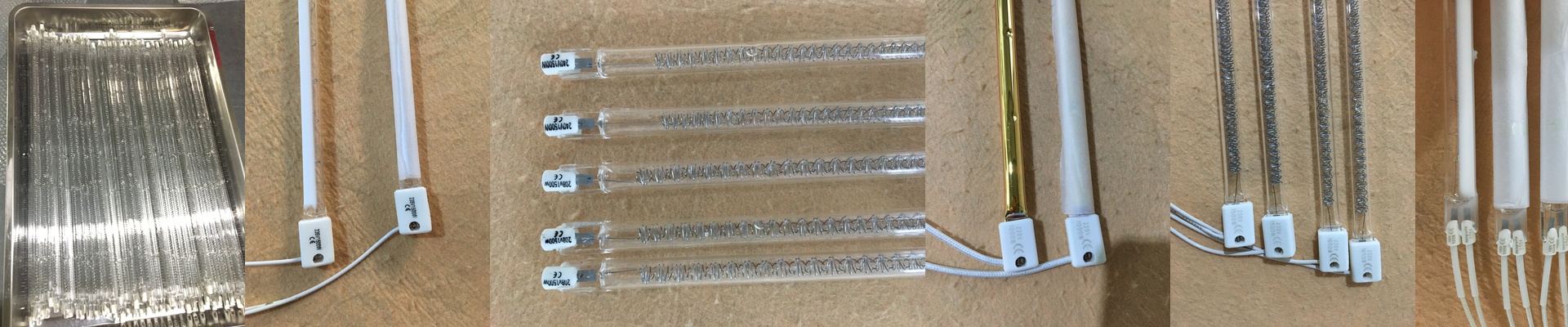
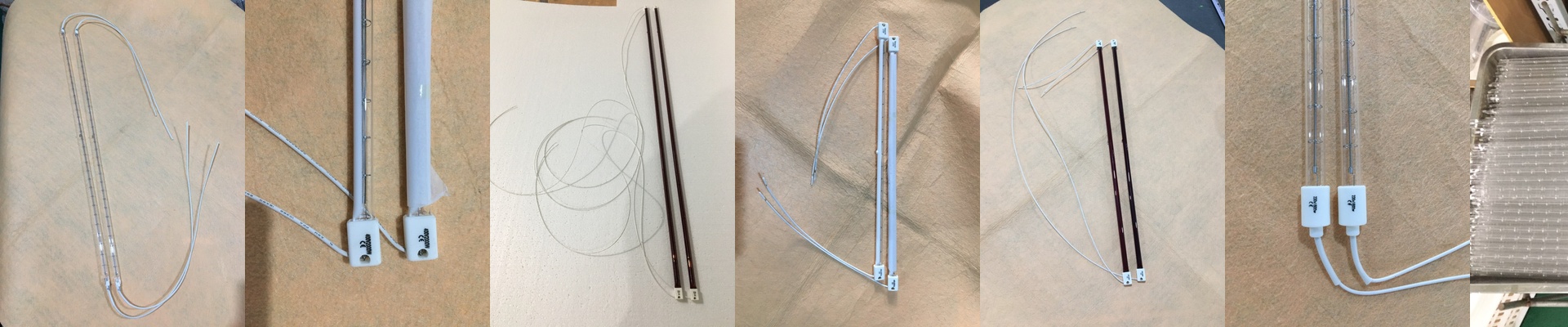
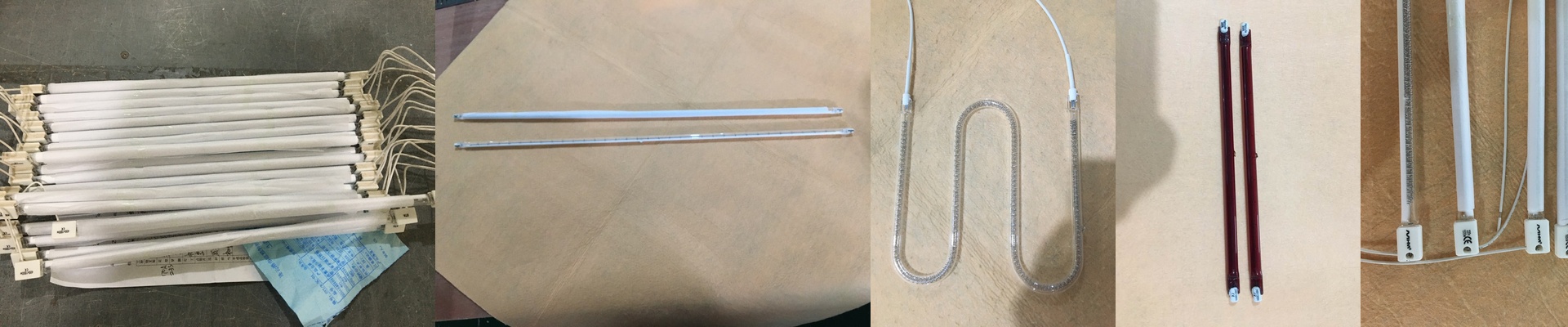
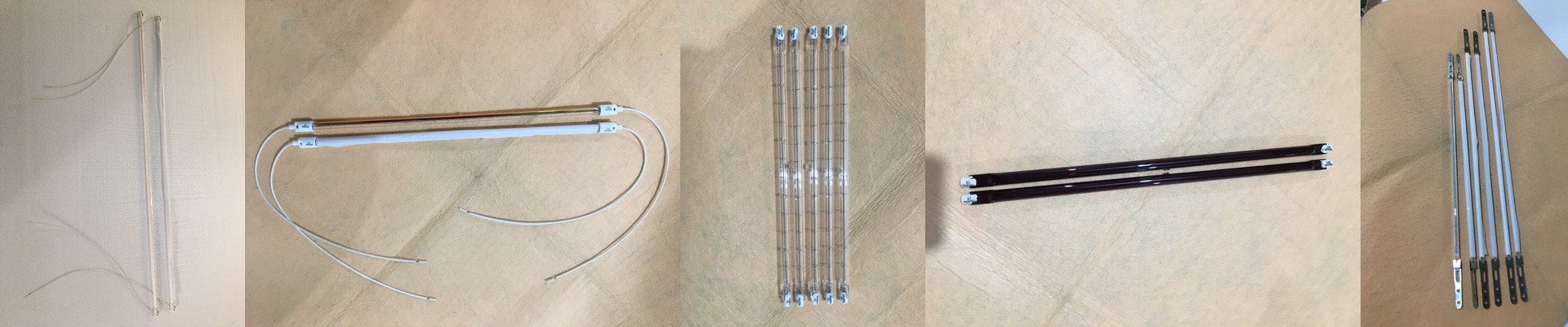
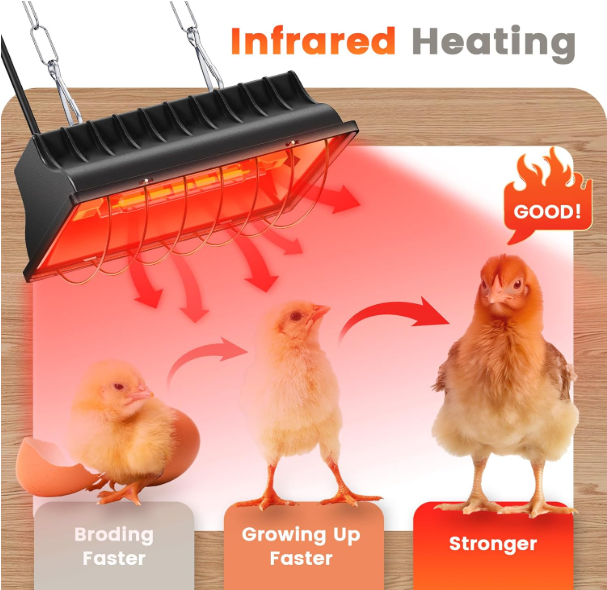
In a commercial hatchery, temperature isn’t just a setting on a dial. It’s the difference between a healthy brood and a total loss. We spend a lot of time perfecting our infrared heaters to make sure those thermal zones stay exactly where they need to be. But here’s the truth: the hardware is only half the story. The real nightmare starts the moment a lamp burns out and you realize your replacement isn’t on the shelf. The nightmare of “factory lead times” Most people just go through the standard OEM channels. But when a heating element pops, the “official” process is usually a slog of paperwork and shipping delays. You can’t wait two weeks for a replacement tube. You just can’t. A cold zone means dead chicks, plain and simple. That’s why we don’t treat a broken heater like a procurement ticket. We treat it like an emergency. We keep stock close by and offer 24-hour support because we know that every hour of downtime is a gamble you can’t afford to take. The grit and the glow Our lamps use shortwave emitters. Instead of heating the air and hoping for the best, they punch through the gap and hit the target directly. It’s efficient. It’s powerful. But there’s a catch. Because these lamps pack such a punch, those reflectors have to stay spotless. If dust builds up, it messes with the focal point. The lamp then has to work twice as hard to make up for it, which burns out the filament way faster than it should. Keep them clean, and they’ll last. Getting back online We designed these to be simple drop-in replacements. You won’t have to spend your afternoon rewiring control panels or hacking away at mounting brackets. As long as your voltage and wattage match up, you can swap the unit and get the heat back on in a matter of minutes. At the end of the day, the physics of infrared radiation isn’t what keeps a hatchery manager up at night. It’s the fear of a slow vendor. We’re here to make sure that’s one less thing you have to worry about.