Stop Your Wood-Drying Lamps From Blowing Out
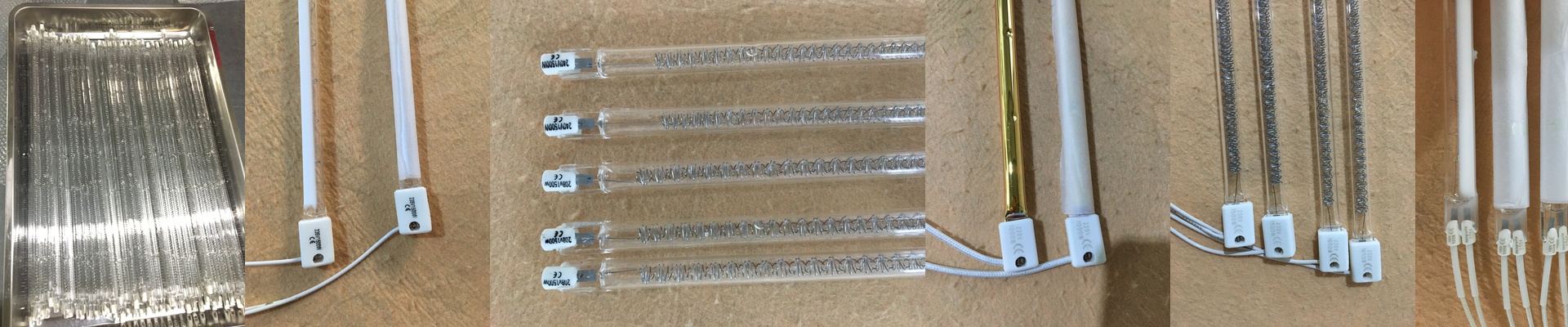
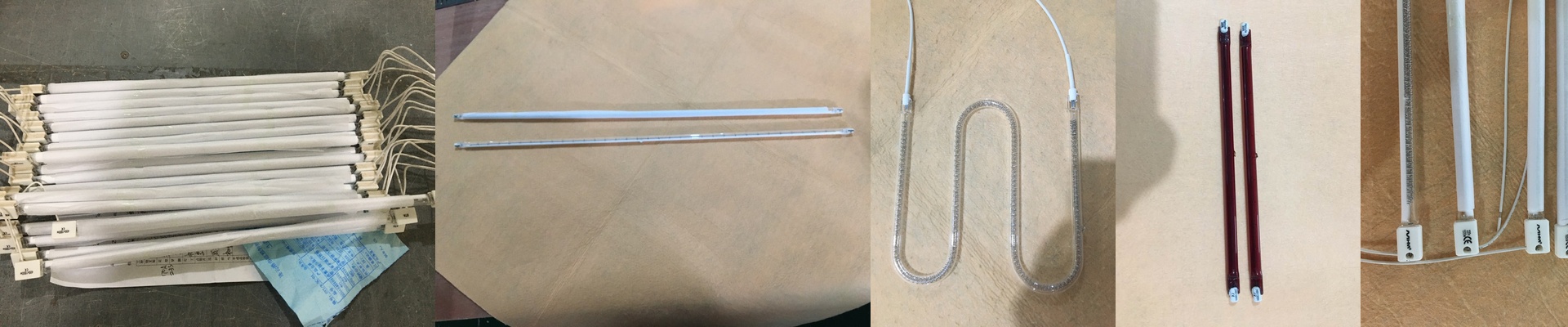
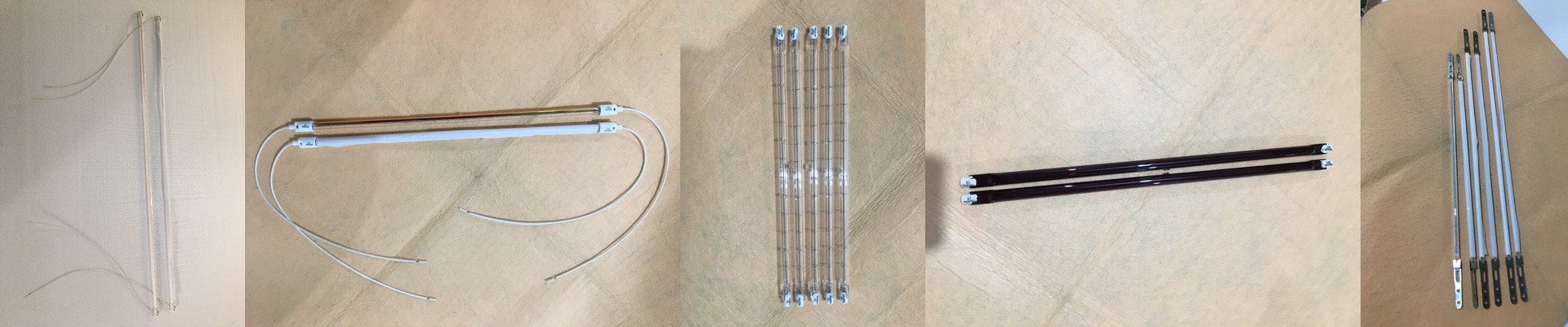
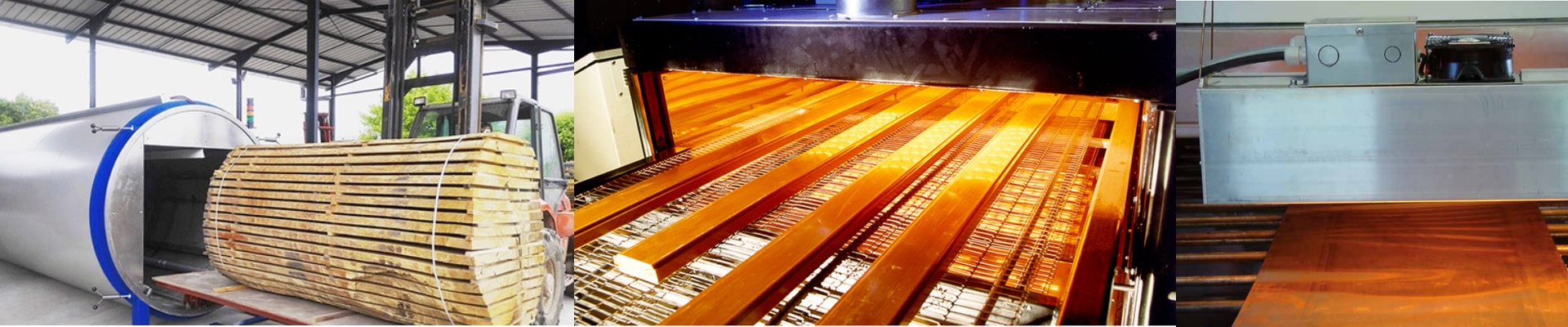
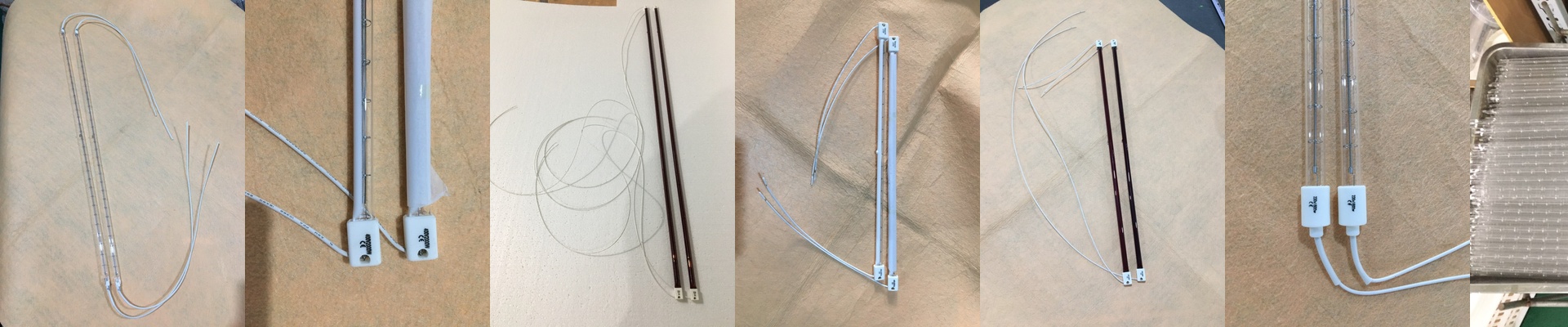
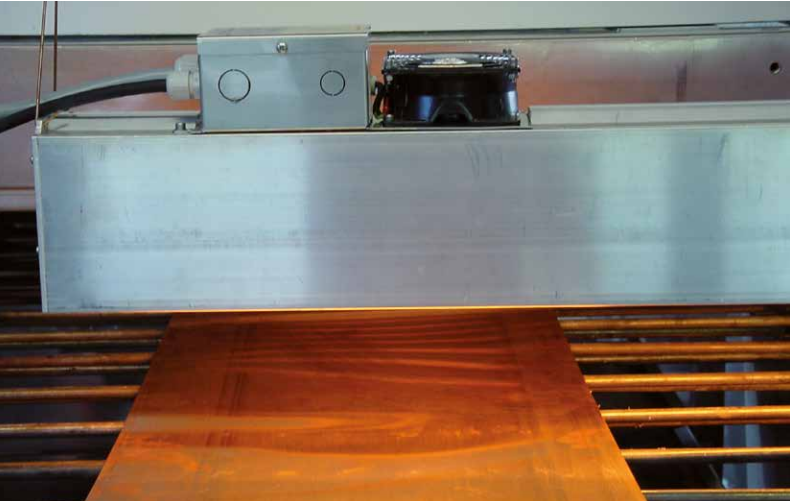
If you’ve ever had an infrared lamp burst right in the middle of a high-heat run, you know the headache. It’s frustrating. Usually, it comes down to thermal expansion—basically, the quartz tube just can’t keep up with the rapid temperature swings needed to suck moisture out of the timber. Here is the deal with thermal stress. We use high-purity quartz because it can actually handle that expansion. But the real trick is the wattage-to-length ratio. You want the heat to soak deep into the wood grain without scorching the surface. If you cram too much wattage into a short tube, you get a hotspot. That hotspot puts a massive amount of stress on the quartz, and pop—there goes your lamp. To stop that, we balance the filament load so the heat spreads evenly from end to end. It’s also about the little things. Most lamps don’t fail in the middle; they fail at the connection points. If the filament shifts during a high-output cycle, you get arcing. That burns the lamp out way faster than it should. We fixed this by using reinforced end-caps and stabilized connectors. It keeps everything locked in place, even if your factory floor is shaking from heavy machinery. Then there’s the real world. Wood-drying lines are messy. You’ve got dust, resin vapors, and airflow that’s constantly changing. It’s a tough environment. While the drying happens fast, it puts a lot of pressure on your reflectors. If they get dirty or knocked out of alignment, the heat bounces straight back into the tube. This pushes the internal temperature way past the limit. Keep your reflectors clean. Seriously. We suggest a quick cleaning every 500 hours. It takes a little time, but it’s a lot easier than replacing a blown tube.