Getting the Heat Where it Actually Matters
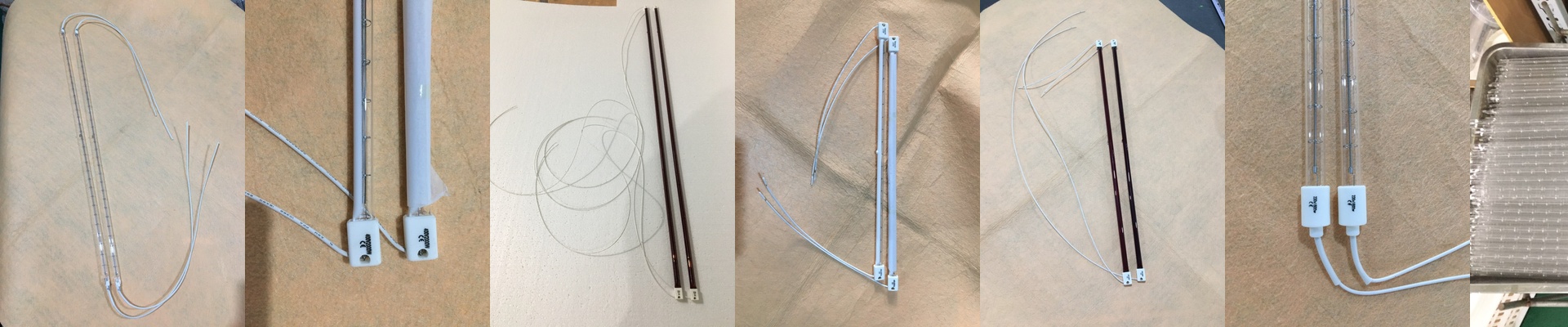
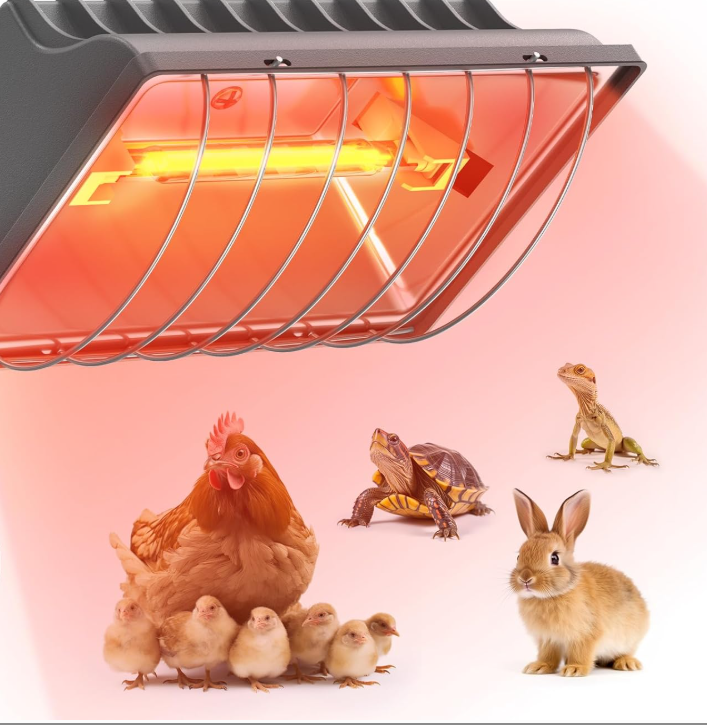
Most farm lamps are pretty basic. They use quartz tubes that just blast heat everywhere, wasting a ton of energy on things that don’t help your animals. We wanted to do something better, so we stopped looking at the lamp as a whole and started looking at the light itself. By tweaking the filament and cleaning up the quartz, we shifted the heat. We moved the “peak” of that energy right into the zone where animal skin and tissue actually absorb it.
Tuning the Heat
Here’s the thing: standard lamps waste a lot of energy. They send out wavelengths that the air just soaks up or that bounce right off a livestock hide. That’s a waste of money. We messed around with the internal gas pressure and the thickness of the filament to tighten things up. The result? Less heat escaping into your barn ceiling and more of it hitting the animals. It’s just more efficient.
The Tough Stuff
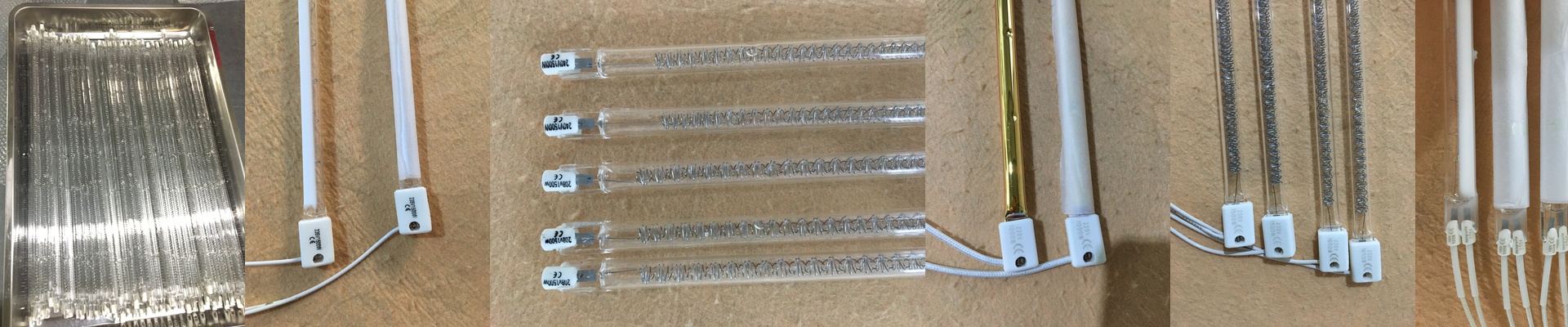
We use high-purity synthetic quartz because it doesn’t cloud up over time. These tubes can take a beating and won’t warp under pressure. But a quick heads-up if you’re installing a big array: more heat density means more stress on your wiring. If you’re running these at full blast, double-check your sockets. Make sure they can handle the constant current, or you’re going to end up with melted housings. And nobody wants that.
Putting Them to Work
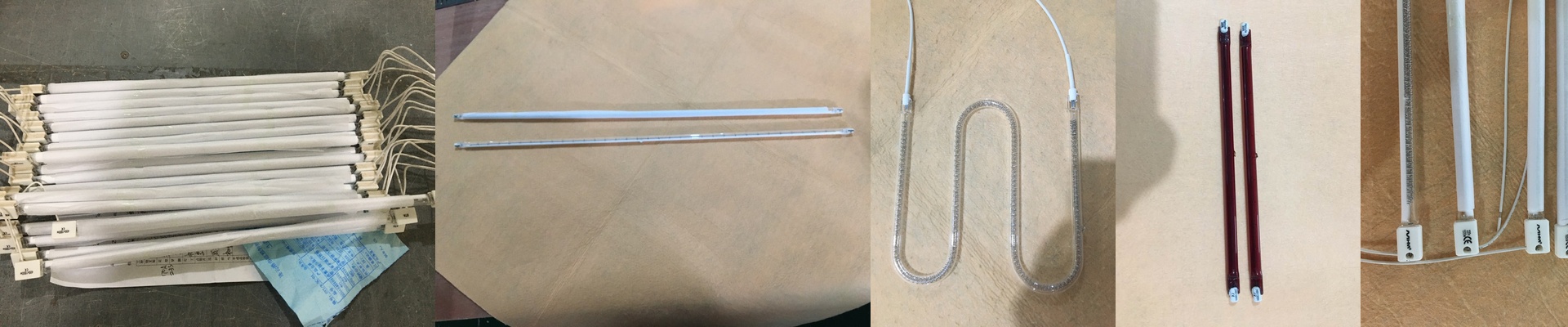
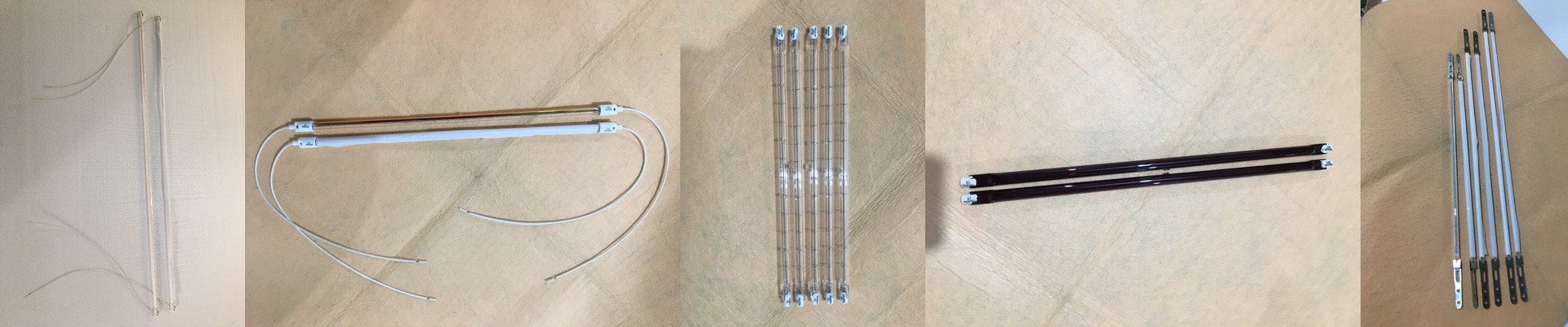
We made these as drop-in replacements. They fit right into the industrial fixtures you probably already have. And because they’re more focused, you don’t need as many lamps to keep the barn warm. That’s a win for your electric bill and your breaker panel. There is one catch, though. Because the light is so precisely tuned, these lamps are a bit more sensitive to dirt. A thin layer of farm grime can actually block the heat. Keep the glass clean, and they’ll keep working perfectly.