Let’s talk about the 800W 260mm Ceramic Halogen Heater
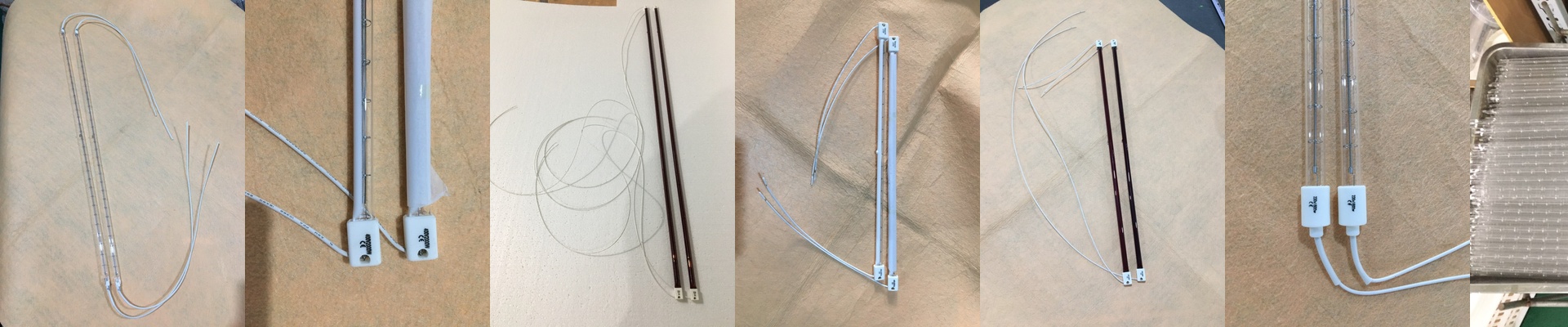
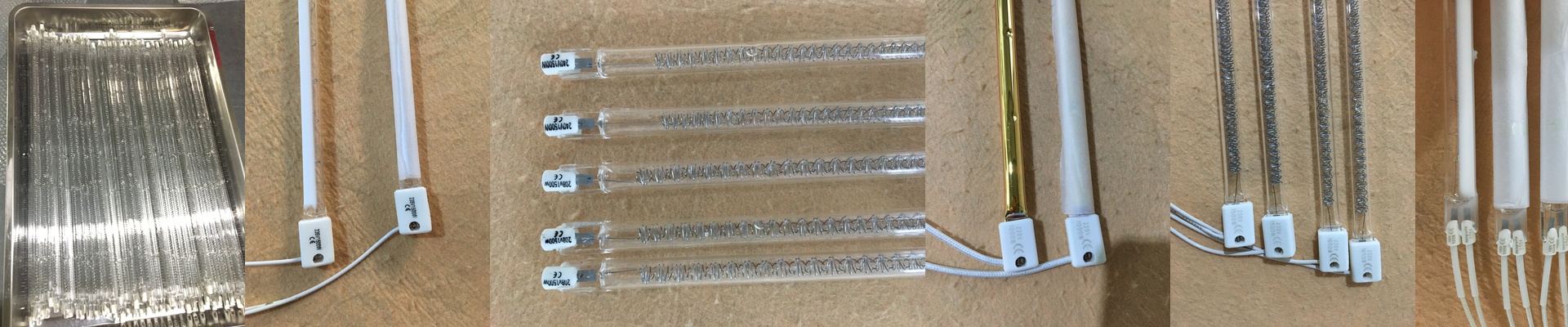
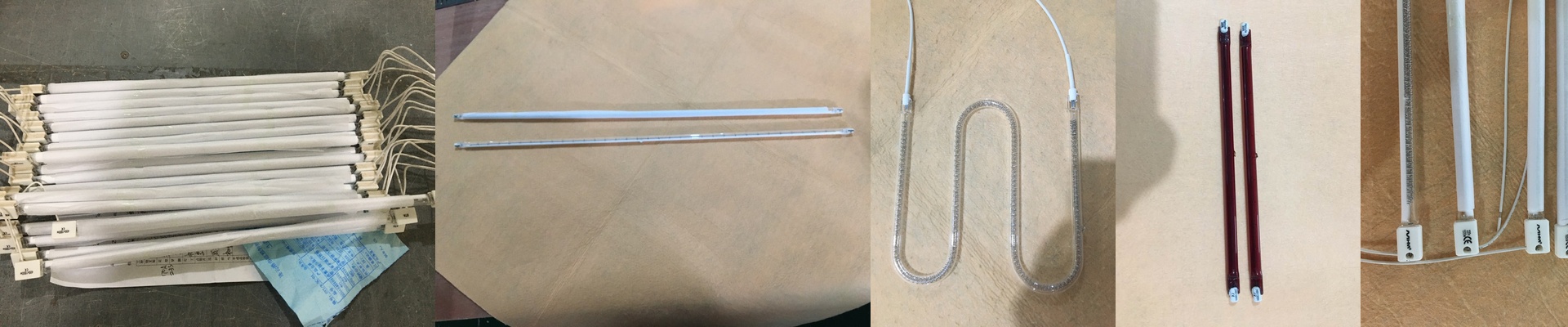
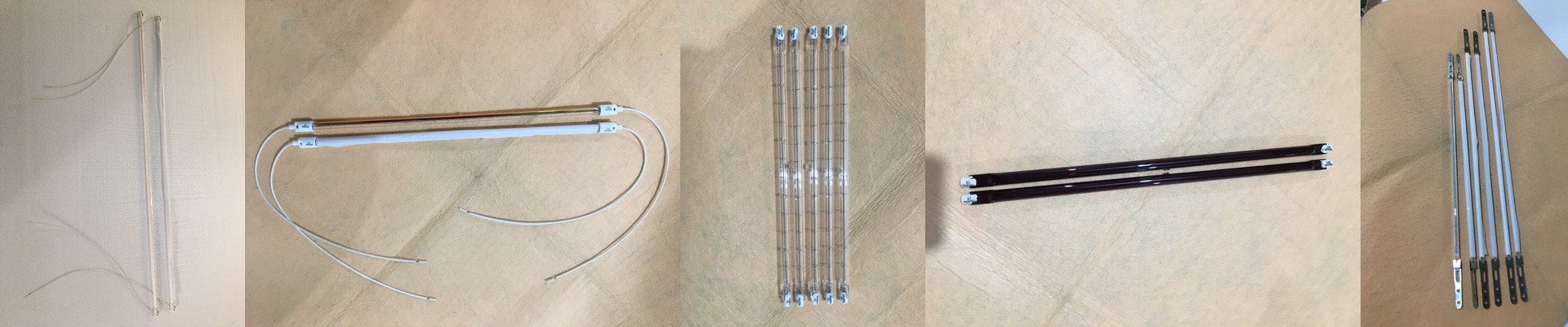
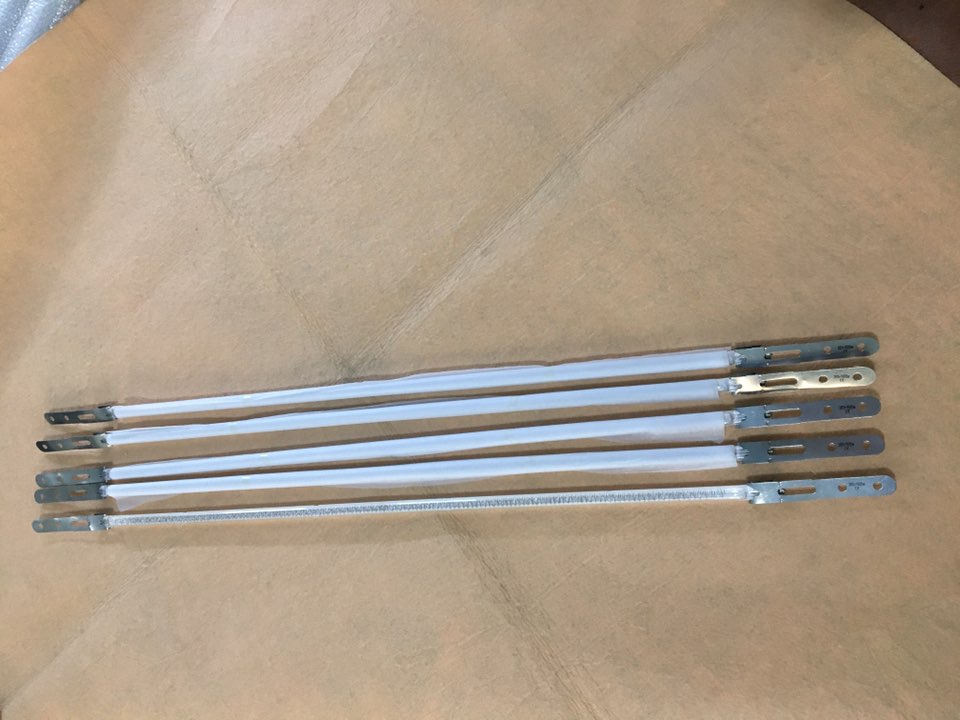
We designed these 260mm infrared tubes for those moments when you need a ton of heat packed into a tiny space, but you don’t have the room for a massive, clunky heater. It’s basically a halogen-filled quartz tube with a ceramic coat that shifts the heat into the far-infrared range.
The Nitty-Gritty on Power
At 800W, this thing puts out a serious amount of heat for its size. We went with the R7s base because it just works—it clicks in securely and you won’t have to mess around with flaky electrical contacts. You can get it wired up and running in standard sockets pretty quickly. Just a heads-up: because the heat is so concentrated,**make sure your housing can handle it.**You don’t want your materials warping the first time you flip the switch.
Why the Ceramic Coating Matters
Here’s the cool part. Normally, the halogen cycle keeps the tungsten filament from burning out too fast, which gives the lamp a longer life. But we added that ceramic layer to the quartz to change the “vibe” of the heat. Instead of just blasting shortwave light, the ceramic absorbs that energy and breathes it back out as far-infrared radiation. This means the heat actually sinks deeper into whatever you’re working on, and you get a much smoother, more even glow across your workpiece.
Putting it to Work
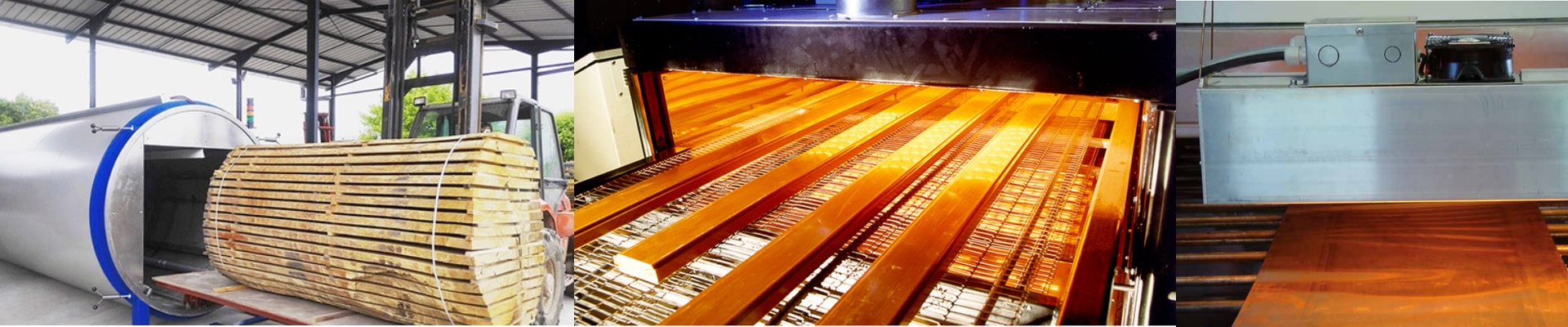
If you’ve got industrial drying or curing lines, these are usually a breeze to swap in. They get hot fast. Really fast. But there is a trade-off. That ceramic coating adds a bit of weight to the thermal mass, so it takes a few seconds longer to ramp up than a clear quartz tube. The upside? The heat stays way more stable once it’s there. One last tip: keep an eye on your controllers. You’ll want them to handle that initial “cold-start” surge of current, or you might fry your filaments before they even get a chance to warm up. And don’t go overboard with the airflow. If you blow too much air across the tube, you’ll just strip the heat away before it ever hits your target, and you’re just wasting electricity.