Let’s Talk SWIR Halogen Emitters
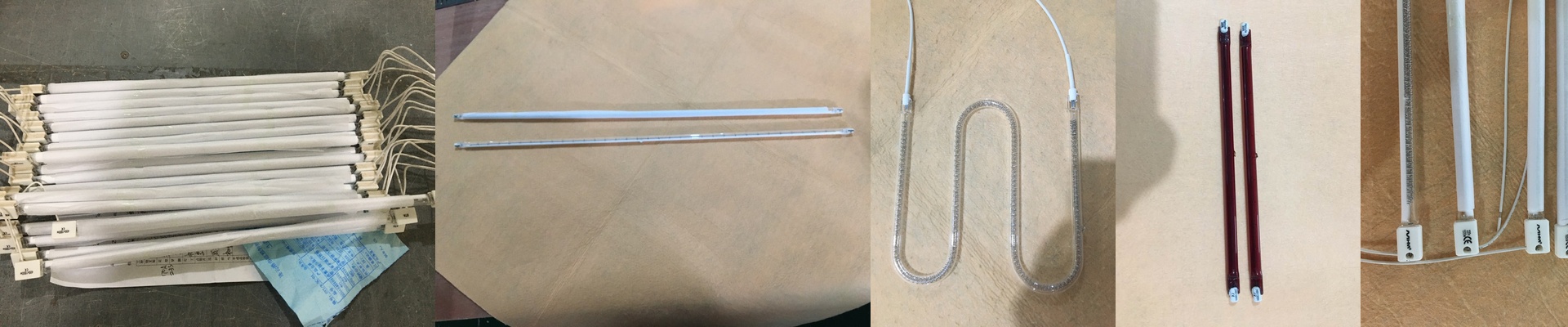
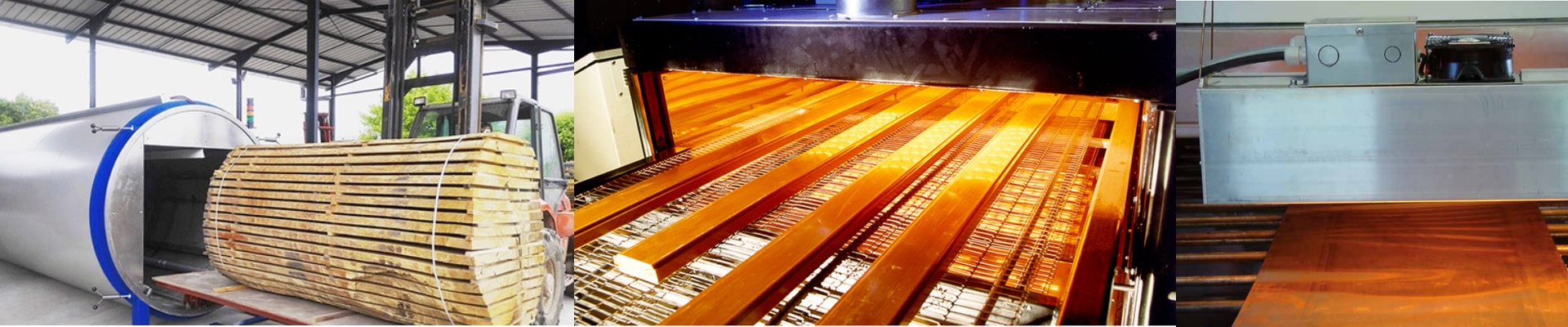
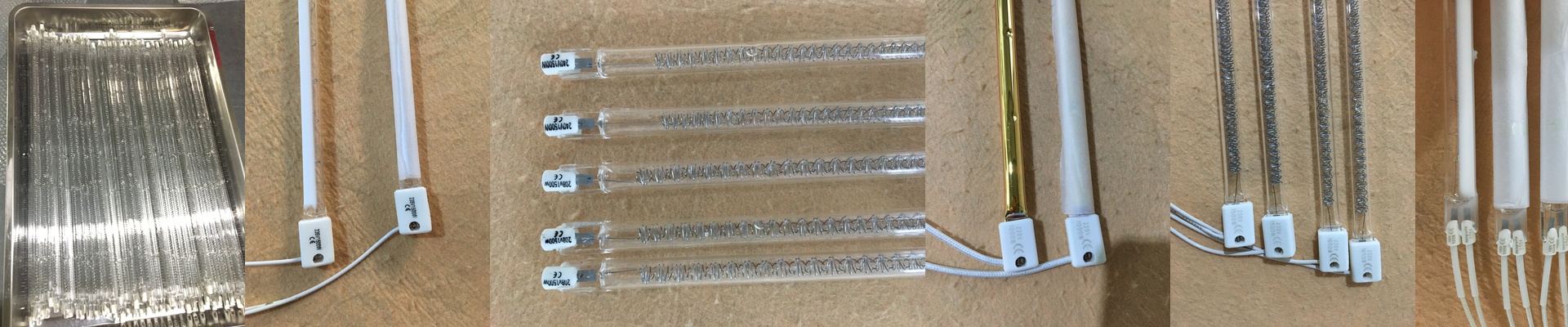
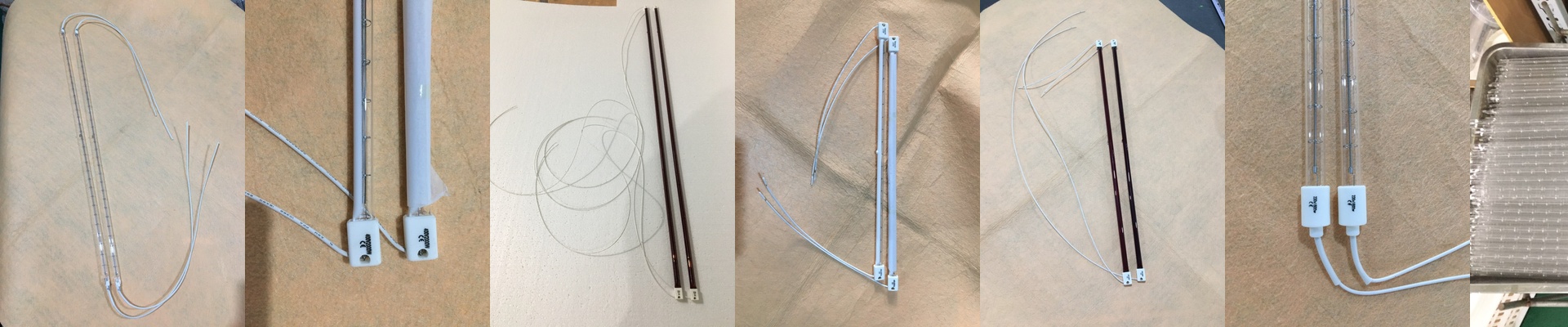
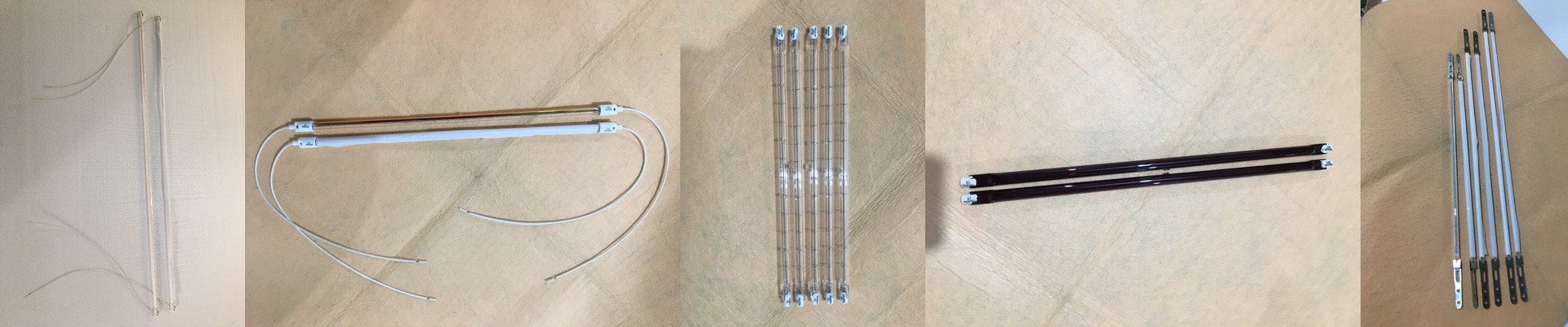
If you’ve ever wondered how we get those insanely fast heat-up times in industrial curing, it all comes down to these SWIR halogen emitters. Basically, we take a tungsten filament, wrap it in quartz, and fill the whole thing with halogen gas. That gas is the secret sauce. It lets us crank the heat way higher than a normal lamp, which pushes the energy into shorter wavelengths. The result? The heat doesn’t just sit on the surface—it actually digs deep into your materials. The Power Side of Things When we’re figuring out the specs, we focus on the wattage-per-centimeter. Now, if you go with high-voltage setups—think 230V or 400V—you’ll notice the current draw drops. That’s a win because it means you can use longer tubes without worrying about voltage dropping off at the ends. But here’s the catch: when you pack high wattage into a tiny footprint, things gethot. Like, really hot. Just make sure your wiring and control systems are up to the task. If they aren’t, you’re just asking for your contacts to burn out. Quartz and Connections The quartz envelope is doing the heavy lifting here, soaking up all that thermal stress. We can also coat them to bounce the heat back toward your workpiece. It’s a simple tweak, but it saves a ton of wasted energy. As for the ends, we usually stick with R7s or Sk15 connectors. They’re pretty much the industry standard for ovens, so they just slide right in. They stay tight, even when the machinery is vibrating like crazy. The Real-World Trade-offs These things are the go-to for PET blowing and plastic curing because they hit the target temperature in seconds. It’s incredibly satisfying to watch. But you have to be careful. This kind of intensity makes the quartz fragile.**One fingerprint or a tiny smudge of oil on the glass during install can create a hot spot.**And once that happens? The tube cracks. Period. Always wear gloves. Keep your reflectors spotless. And for heaven’s sake, if you’re pushing 2500W in a tight space, don’t skimp on the cooling fans. Otherwise, you’ll end up cooking your own electronics along with your product.