Making the 300W Halogen Lamp Actually Work
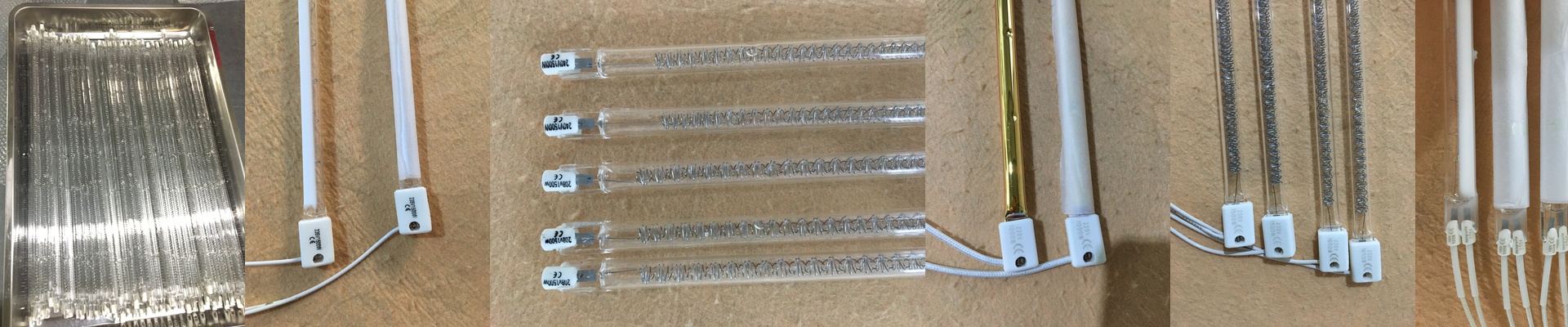
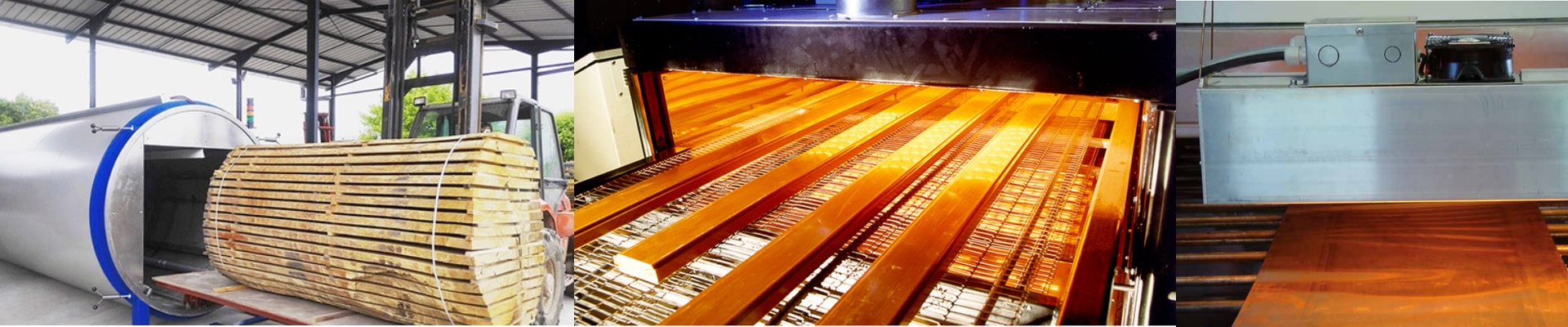
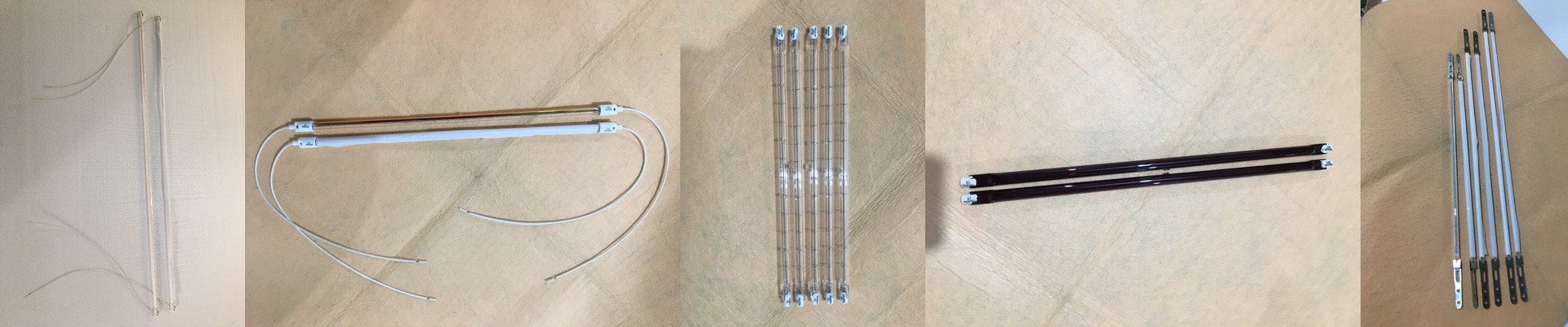
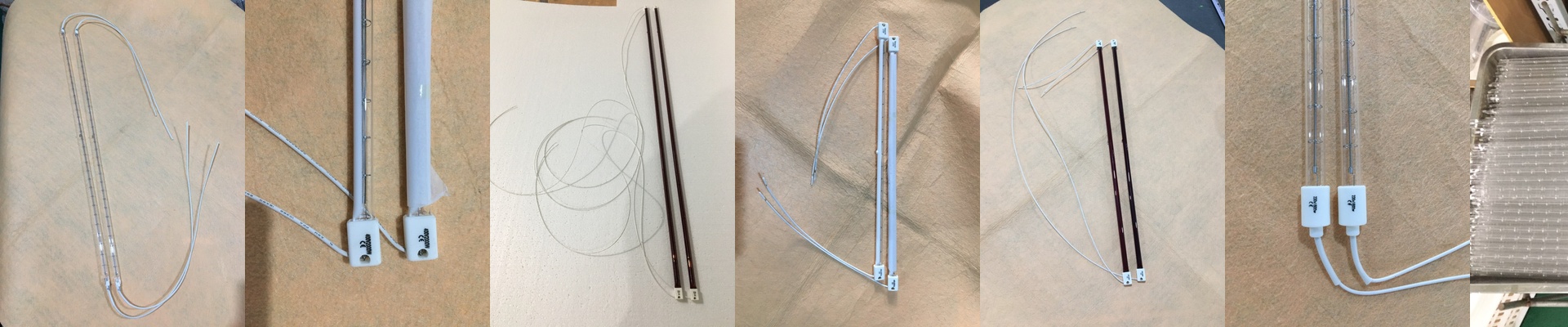
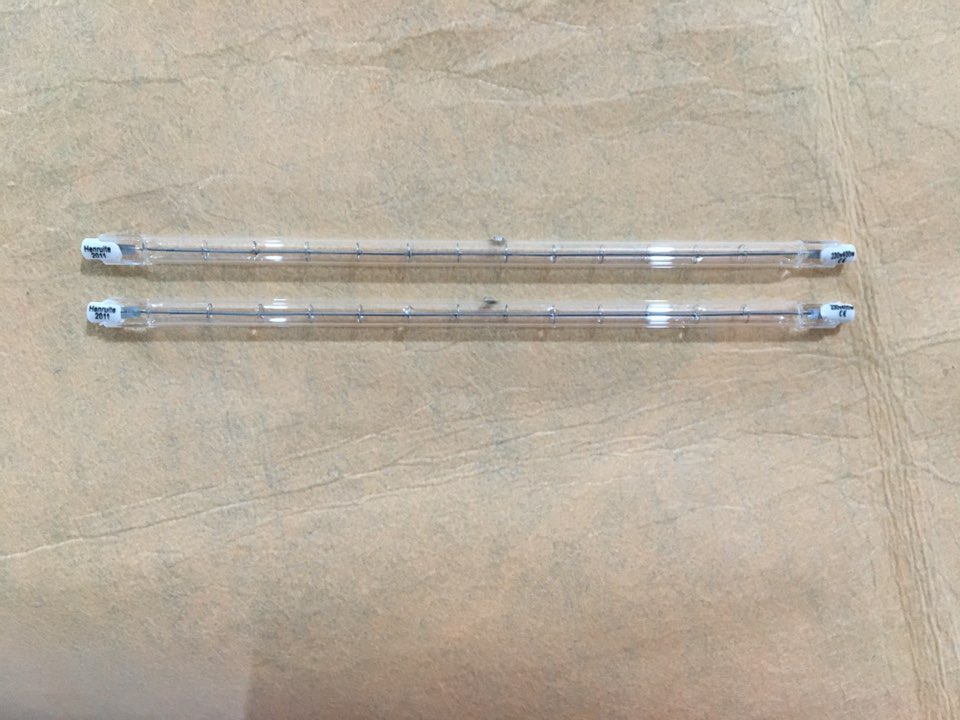
When you need heat—and you need it now—standard heaters just don’t cut it. That’s why we build our 300W halogen lamps. They’re designed for those tight spots where you need a blast of targeted energy without waiting around for things to warm up. Inside, there’s a tungsten filament tucked into a quartz tube. We use a halogen cycle to keep things clean. Basically, it pushes evaporated tungsten back onto the filament so the glass doesn’t turn black and die early. It keeps the lamp running longer. Simple as that. Getting the heat right 300W is a sweet spot. It gives you enough punch to hit your target temps without turning your entire machine chassis into an oven. But here’s the thing: you can’t just throw power at it. We carefully balance the wattage against the length of the tube. If you cram too much current into a short tube, you get these nasty hotspots that’ll fry the filament in no time. Just make sure your power supply matches the voltage rating, or you’ll pop the lamp the second you flip the switch. The build We use quartz glass because it can take the heat and lets infrared radiation pass right through. For the wiring, we stick to the basics—R7s or SK15 connectors. They’re industrial standards, so you can get them wired up and running quickly. Plus, these connectors are built to breathe. They expand and contract as the lamp heats up and cools down without snapping. Some of our lamps even come with a special coating. It shifts the heat away from your machine frame and puts it exactly where it belongs: on the workpiece. A few warnings These are great drop-in replacements for PET blowing or curing lines because they’re small and react instantly. But look, 300W of radiant heat isintense. You’ve got to get your reflectors and cooling fans right. If the air isn’t moving, the heat will soak into your sockets and start melting your wire insulation. Not a good look. And one last tip:**don’t touch the glass.**Seriously. Even a single fingerprint leaves an oil smudge that can cause the quartz to crack under thermal stress. Keep them clean, and they’ll treat you right.