Getting Your Screen Printing Curing Just Right with Halogen IR Lamps
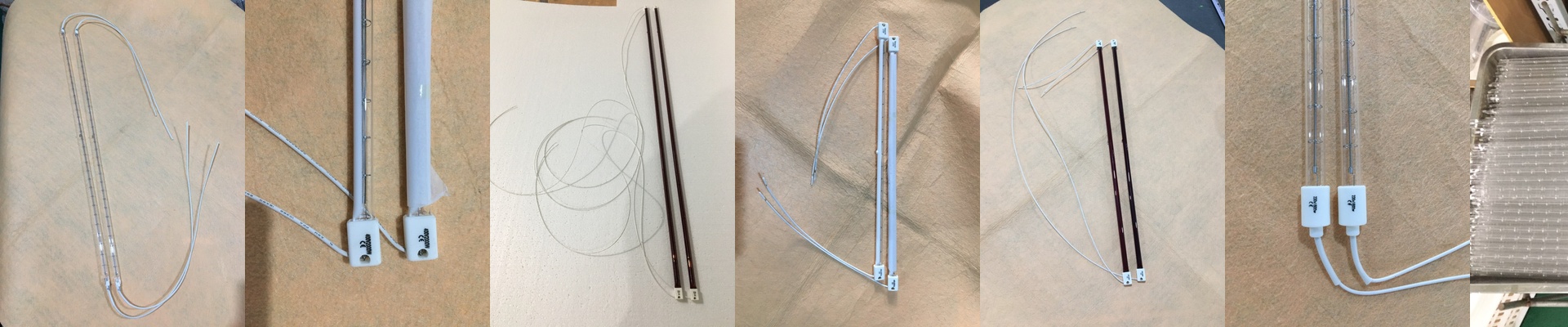
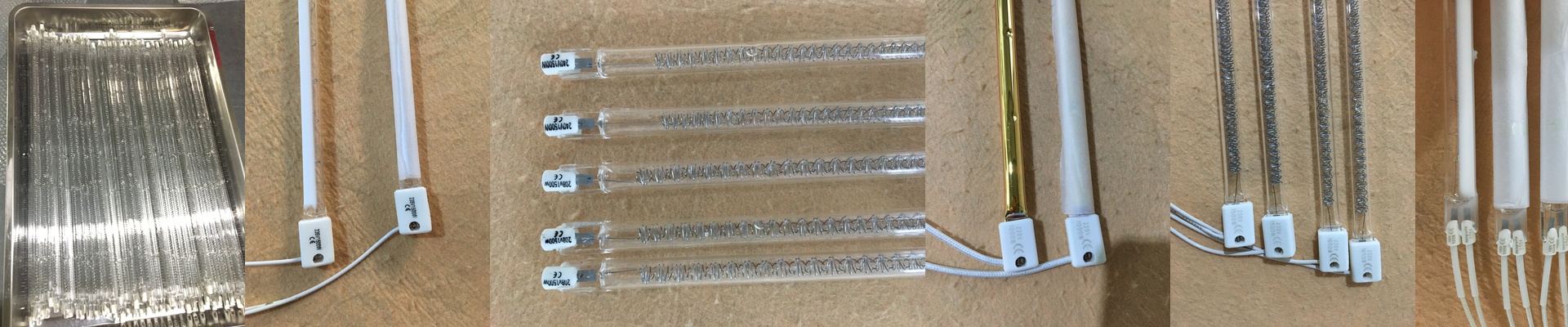
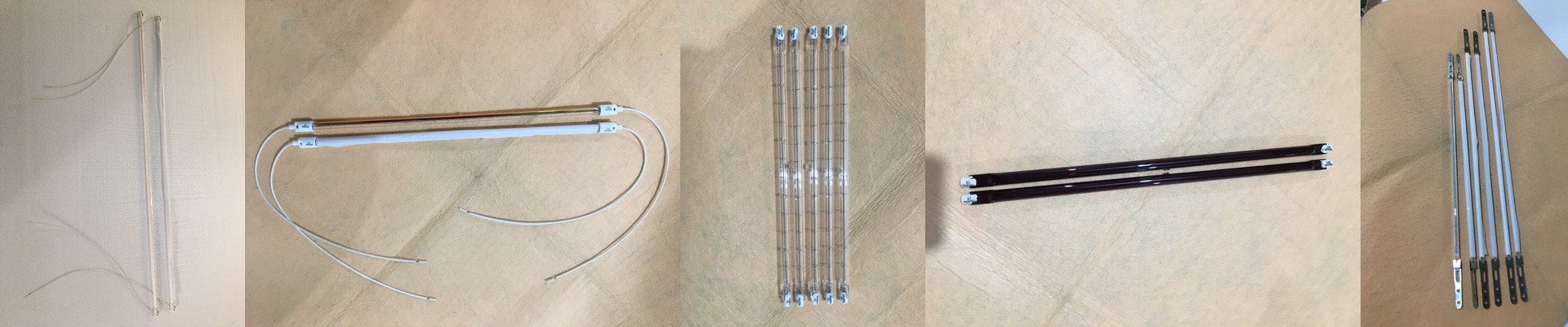
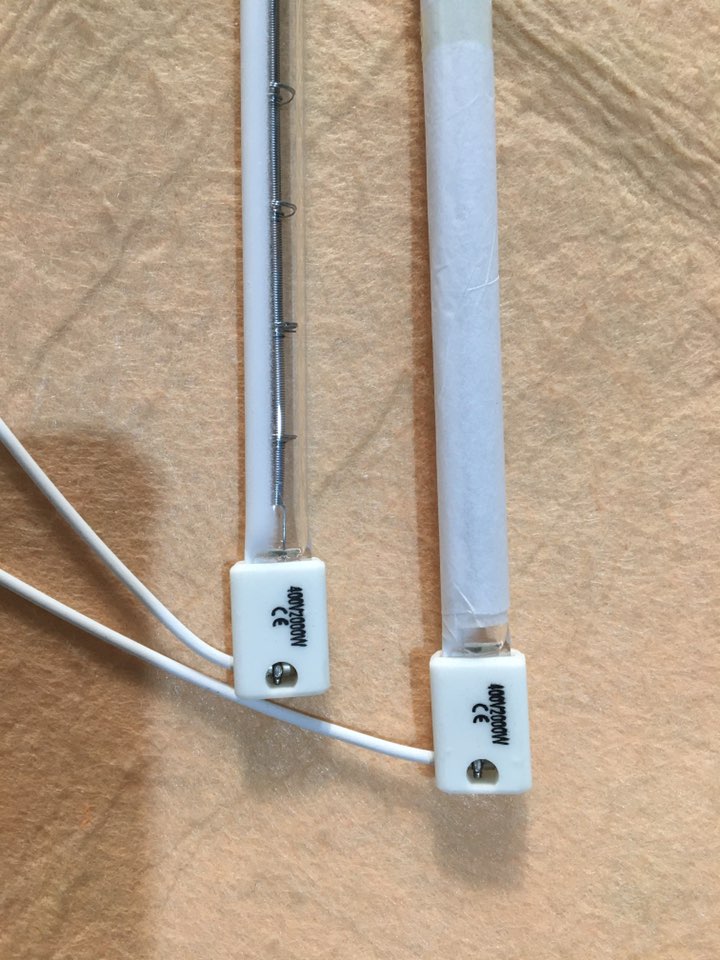
When you’re screen printing, you’re basically in a race against time. You need heat—and you need it fast—to flash-dry that ink before it ruins everything, but you can’t be so aggressive that you scorch the fabric. That’s why we lean on halogen infrared lamps. They don’t just warm things up; they blast short-wave energy straight into the ink layer. It’s an intense kind of heat that gets the job done quickly. Let’s talk power. You’ve got to balance your wattage and voltage with how fast your conveyor is moving. Simple enough: more wattage means more heat, which means your parts don’t have to sit under the lamp for as long. If you go with a high-voltage tube, you’re packing more energy into a smaller space. Just a heads-up: make sure your wiring and power supply can actually handle that draw. If you push a weak system too hard, you’re just going to burn out your tubes early. Nobody wants to deal with that mid-shift. The build quality matters. We use high-purity quartz glass for these lamps. Why? Because these things go through a lot of thermal shock. They’re clicking on and off constantly as parts move through the oven, and regular glass would just shatter. As for the setup, you’re probably looking at R7s or SK15 connectors. They’re designed to be drop-in replacements for most industrial heaters. It makes life a lot easier when it’s time for maintenance—you can just swap a tube and get back to work without having to tear your whole rig apart. The reality of using them. The best part about halogen lamps is the response time. They hit your target temperature almost instantly. No waiting around. But there’s a catch. Because they’re so powerful, you have to be careful about where you place them. If the lamp is too close to the garment, you’ll burn a hole right through the fabric. It’s all about the distance and the height. You’ll want a solid control system to manage the duty cycle so you can keep the ink dry without overheating the material. A little bit of calibration goes a long way.