Quartz vs. Ceramic: Which one actually works for your horses?
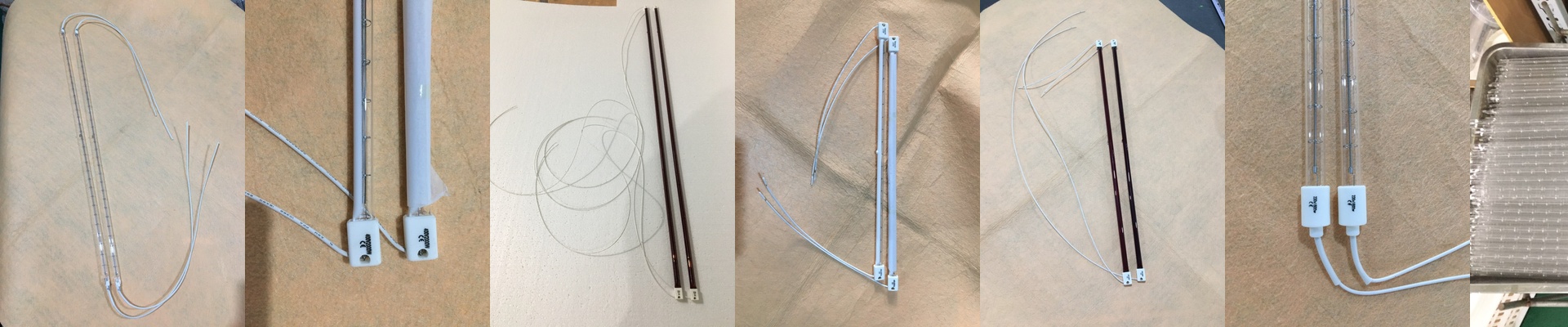
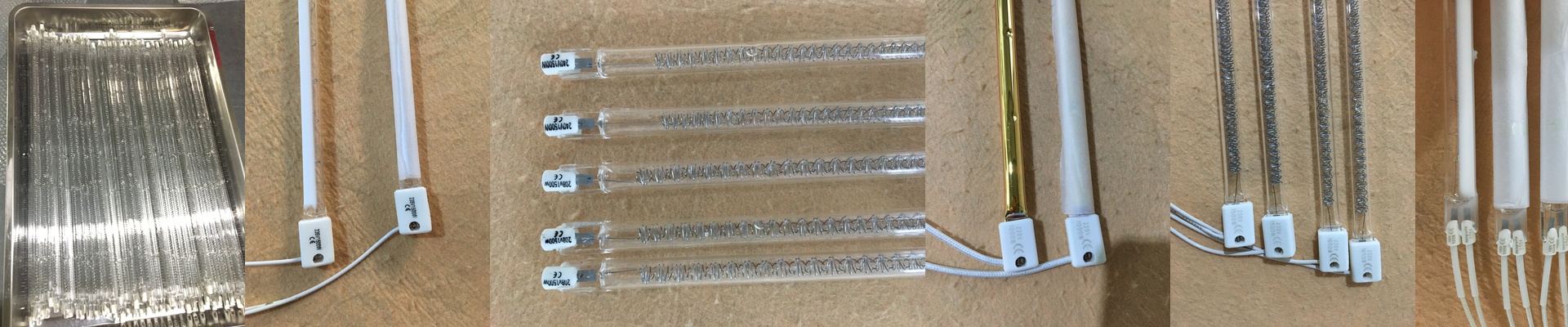
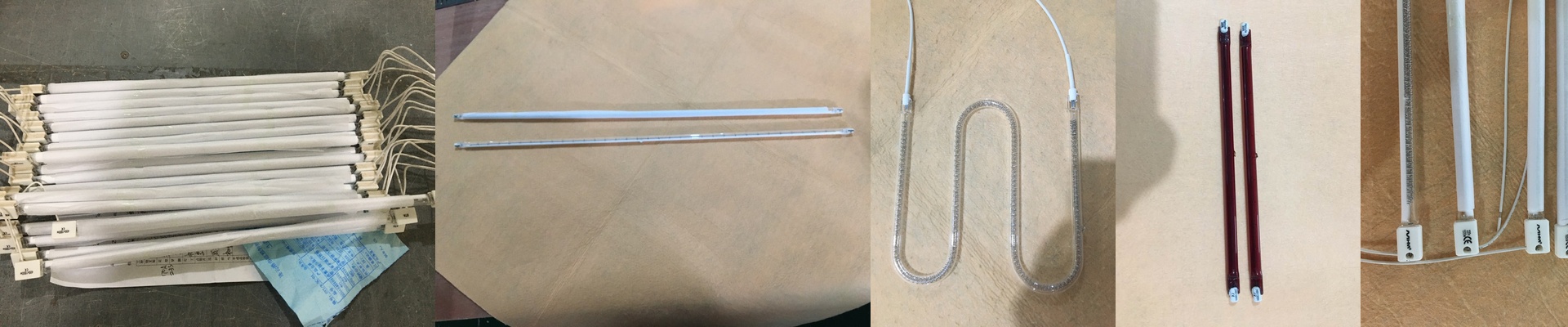
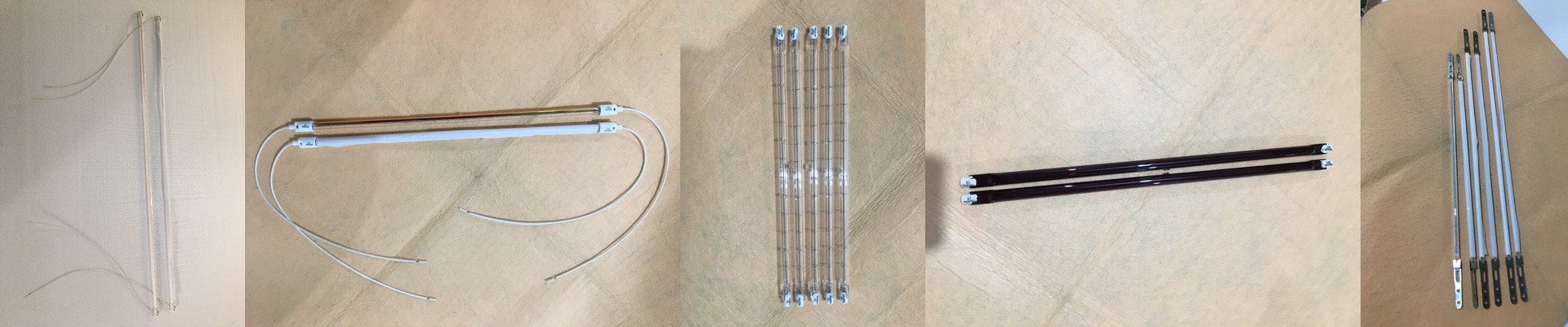
If you’re looking at heating options for your barn, you’ll probably find yourself staring at two choices: ceramic plates or quartz infrared lamps. On paper, they both “heat things up,” but in the real world, they feel completely different. Ceramic is basically a slow burn. It relies on warming up the air around it. The problem? A lot of that heat just vanishes into the room before it ever reaches the horse. Quartz is a different beast. Instead of fighting with the air, it sends heat straight to the target. It’s like the difference between standing in a warm room and feeling the sun hit your skin on a cold winter day. The speed factor Quartz is fast. Really fast. Because we use high-purity quartz glass around the filament, these lamps can get incredibly hot without breaking a sweat. You get a punch of heat exactly where you need it, right away. Ceramic heaters often struggle with this. They try to push heat from the core to the surface, but they hit a bottleneck. Too often, the inside gets too hot while the outside stays lukewarm, which is exactly how you end up burning out the internal elements. The “Oops” Factor (Durability) Let’s be honest: horses are clumsy. They kick, they bump, and they lean. Ceramic is brittle. One bad kick and a ceramic panel can crack right down the middle. When that happens, you’re usually tearing out mounting brackets and dealing with a whole mess of a repair. Now, quartz tubes are fragile too, but we’ve handled that by making them “drop-in” replacements. If a tube goes, you just swap it out. It takes a few minutes and you’re back in business. You aren’t replacing the whole housing—just the lamp. It saves you a lot of headache (and money) over a few seasons. The Trade-off Here is the catch: quartz is powerful. Because the heat is so focused, you have to be smart about where you put them. If they’re too close, you risk hotspots or skin burns. You can’t just “set it and forget it.” You’ll want a decent thermostat and a timer to keep things balanced. Ceramic is a bit safer for that constant, low-level warmth, but your electric bill will probably show it. You end up spending way more on power just to get the animal’s core temperature up. If you want something that hits the target temperature quickly and won’t cost you a fortune to maintain long-term, quartz is the way to go.