Getting the Heat Right for PET Preforms
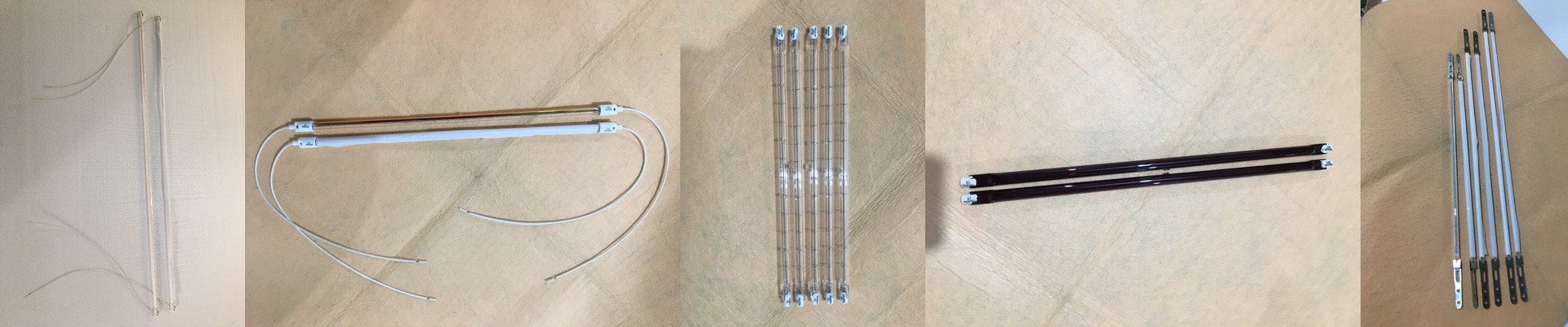
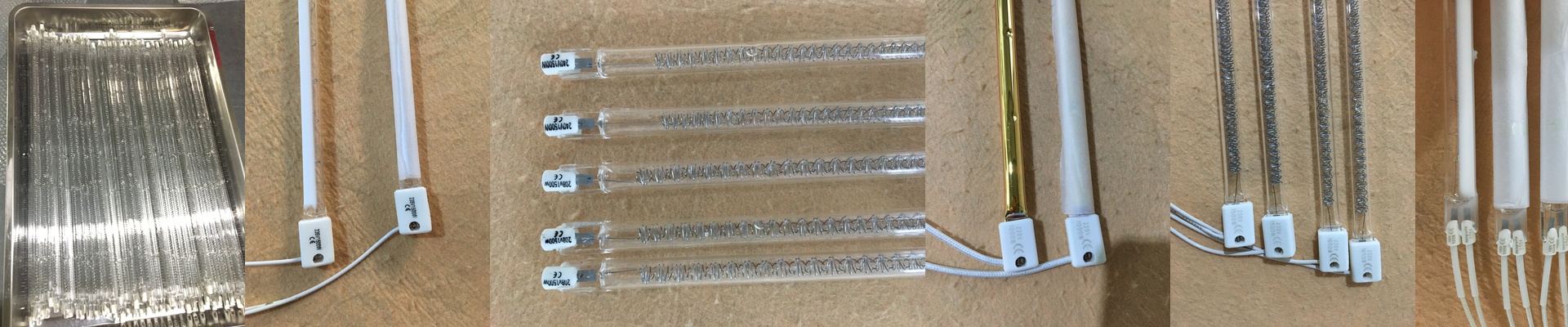
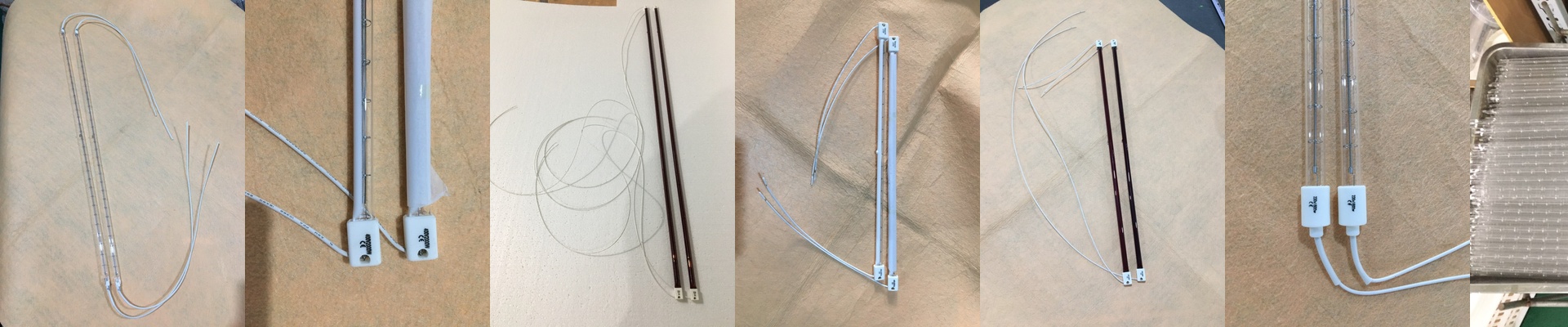
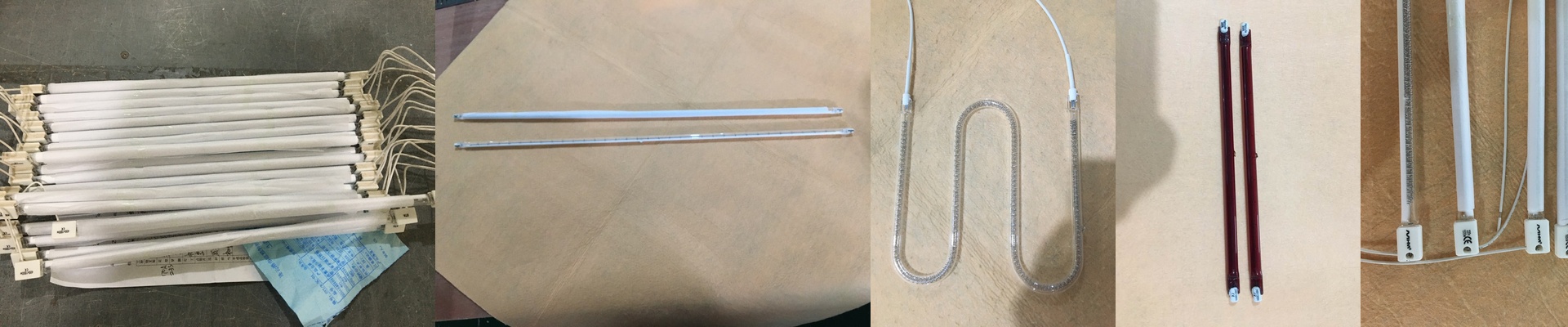
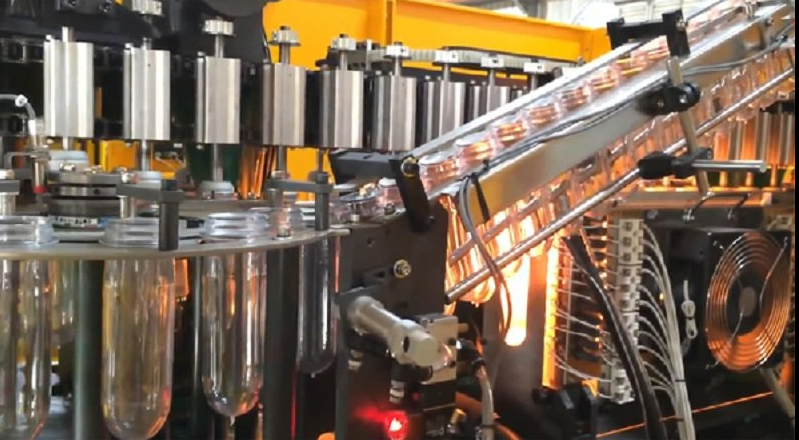
If you’re running high-speed blowing on a SIG Blomax 6 or a Husky HyPET, you already know the struggle. It’s not just about throwing raw wattage at the problem. If you do that, you end up scorching the surface while the inside stays cold. The real trick is getting that heat to actually soak into the wall of the preform. That’s exactly where we focused when designing our replacement lamps. The secret is in the flux To get heat deep into a thick-walled preform, you need short-wave infrared (SWIR) radiation. We’ve spec’d our tubes with higher voltage and wattage to cram as much heat flux as possible into every millimeter of the quartz. Why? Because it means the lamps hit their operating temperature faster. More importantly, they don’t dip in performance even when your cycle speeds are cranking and the preforms are sucking up energy fast. Better glass, better light We use high-purity quartz because, frankly, cheap glass warps when things get this hot. We also rely on the internal halogen cycle. This keeps the filament from evaporating, which means your tubes won’t turn black or lose their punch after a few weeks of hard use. For those of you using Husky setups, we spent a lot of time tuning the emission spectrum. We wanted the energy to slide right into the polymer chain instead of just bouncing off the surface like a mirror. Making it work in your shop These are drop-in replacements. We used standard industrial connectors, so you can just wire them up and get back to work without having to rip apart your oven housing. But here’s a heads-up: when you push more heat density, your cooling blowers have to work harder. If you’re running these lamps at full tilt, double-check your airflow. If the cooling can’t keep up with the extra IR load, you’ll start seeing that annoying pearlescence in your finished bottles, especially near the gate. Keep an eye on that, and you’re golden.