Can a few new lamps actually speed up an old Sidel machine?
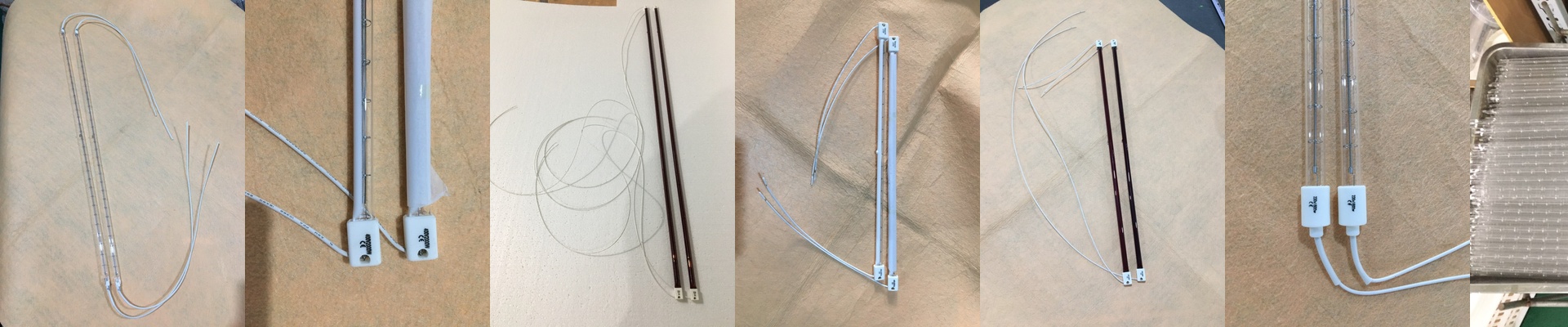
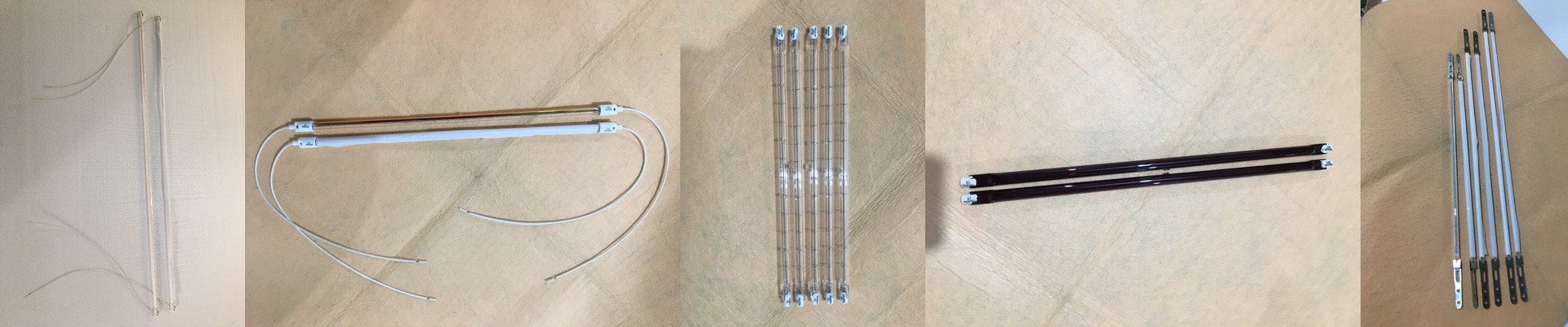
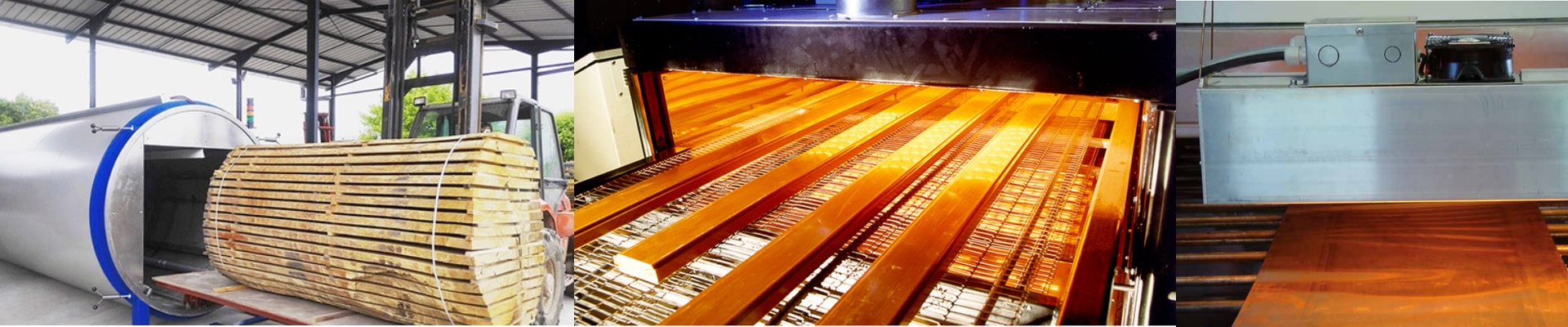
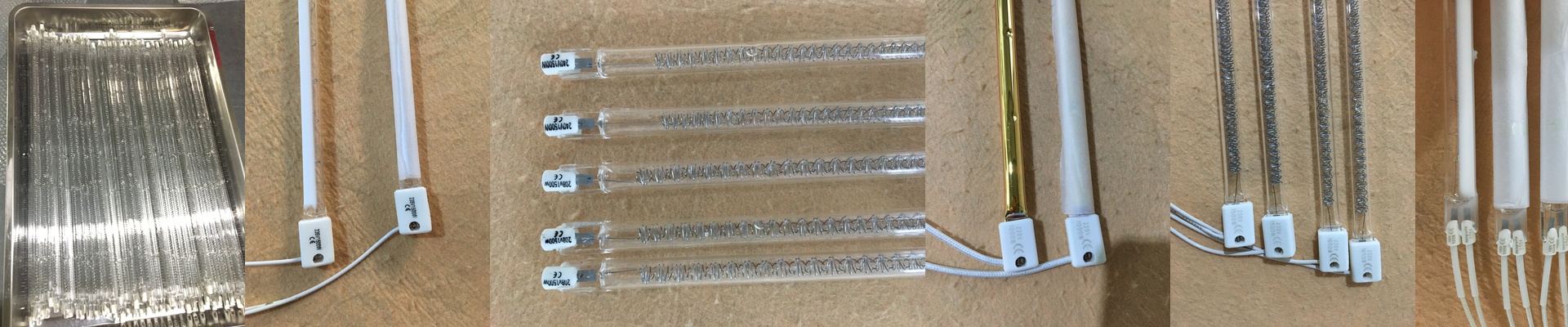
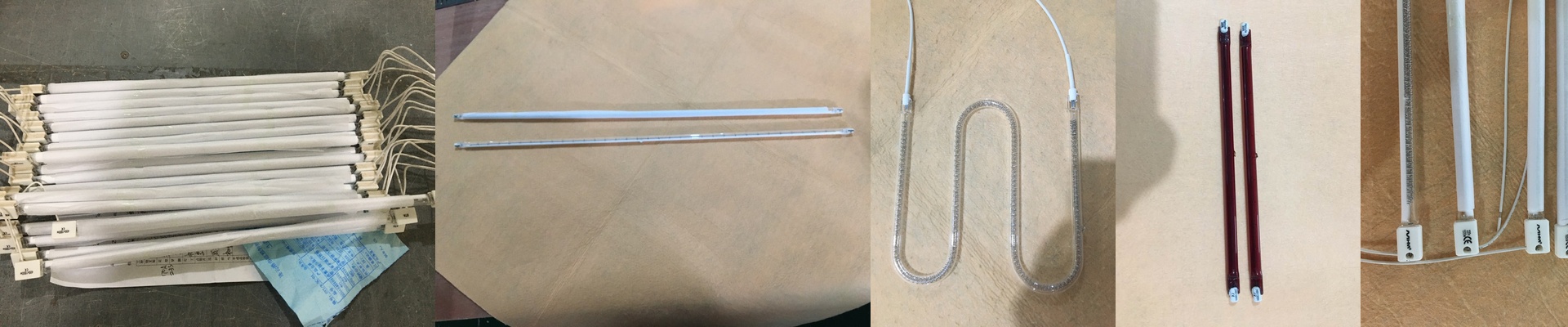
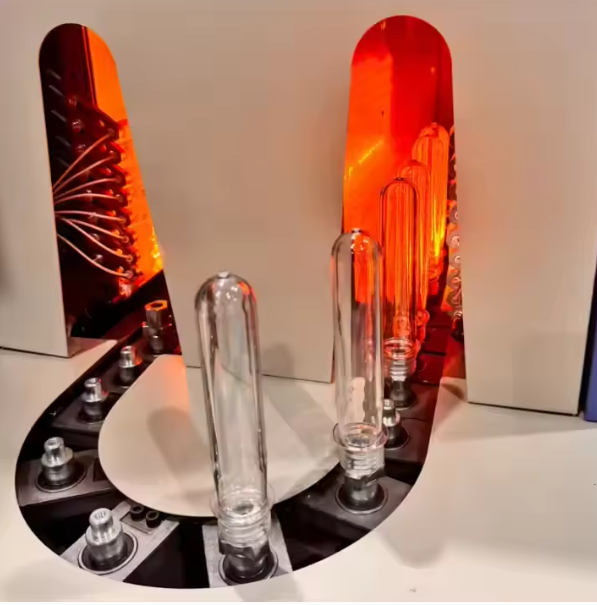
If you’re running an older Sidel blower, you’ve probably noticed things slowing down. The cycle speeds aren’t what they used to be. It’s easy to just shrug and say, “Well, the machine is old,” but that’s usually not the whole story. Most of the time, the real problem is just how the heat is moving. If your lamps are tired, your preforms aren’t getting the heat they need fast enough. That’s where swapping in some high-density shortwave infrared elements comes in. It changes the whole heating profile. Let’s talk about the heat. To get more bottles out the door every hour, you have to hit that PET glass transition temperature fast. We build our replacement lamps with a specific wattage-to-length ratio to really crank up the radiant flux. Basically, when you move from a standard element to a high-wattage halogen quartz tube, you’re packing more heat into every square millimeter. The result? You can shorten the time the preform spends in the heating tunnel without sacrificing quality. The nuts and bolts We use heavy-wall quartz glass because high heat makes cheap tubes bow. You don’t want that. As for the installation, it’s pretty painless. Most of our units use R7s or SK15 connectors, so they just slide right in. You won’t have to spend your weekend rewiring the control cabinet. Plus, the halogen cycle inside the tube keeps the tungsten filament from evaporating too quickly. It keeps your heat steady across the oven, which means fewer rejects. But there’s a catch. More wattage means faster heating, but it also puts more pressure on your power. If you’re swapping a 1500W lamp for a 2500W one, you’ve got to make sure your power supply can handle the extra current. And here is the big one:your cooling fans. When you pump more heat into the oven, the fans have to work harder to keep things balanced. If your vents are clogged or your cooling is undersized, the ambient heat will build up. That’s a recipe for deformed preforms. Just double-check your current draw and your airflow before you flip the switch. Once the cooling is dialed in, you can tighten up those cycle times and finally see your output climb.