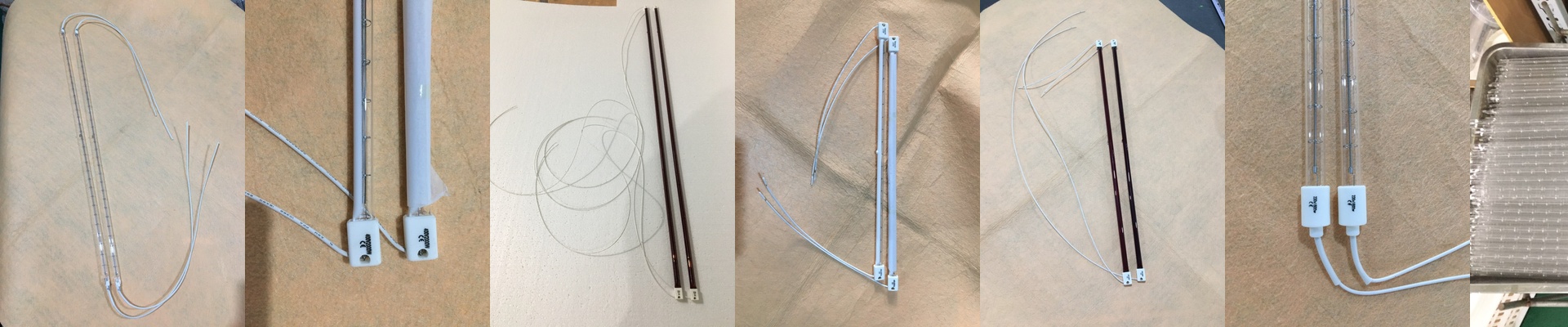

Getting Your SCM Machinery Heat Just Right
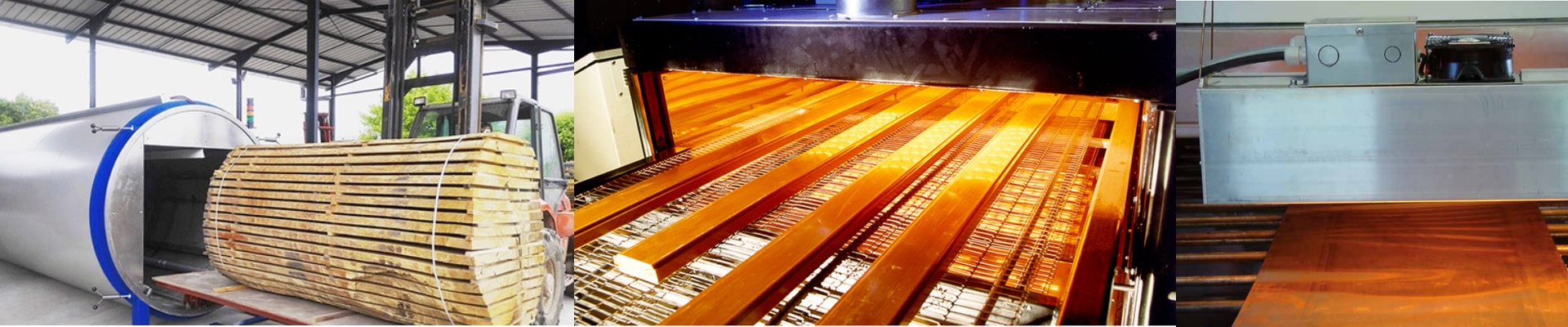
If you’re running an SCM edgebander or press, you know that the infrared heater is basically the heart of the whole operation. When a lamp burns out or the wattage dips, things go south fast. You end up with cold glue lines and veneers that just peel right off. It’s a nightmare. That’s why we build our replacement lamps to fit the exact OEM footprint of your SCM machine. You get that same factory-level performance, but you aren’t paying the “brand name” tax.
Let’s Talk Power and Physics
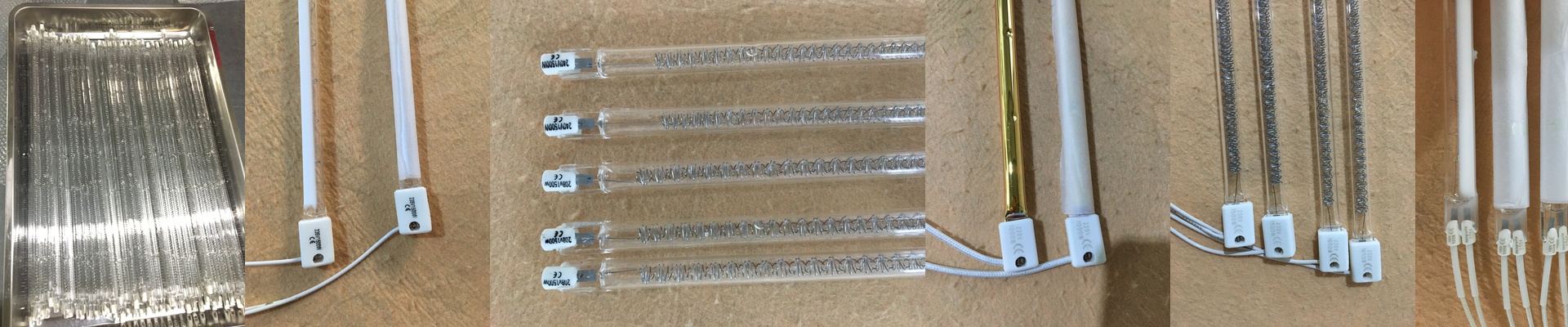
Here’s the thing: wattage and voltage have to be a perfect match. If you grab a lamp with the wrong voltage, you’re asking for trouble. You’ll either end up with adhesive that won’t stick, or you’ll fry the filament in a week. We focus on high-density shortwave output. In plain English? The heat hits the glue bead instantly. It doesn’t waste time heating up the air around it. Just make sure to double-check your machine’s current draw. Whether you’re on a 230V or 400V setup changes how that heat spreads across the quartz tube. Higher wattage gets you up to temperature faster, but keep in mind it puts a bit more stress on your power supply.
The Build: Quartz and Connectors
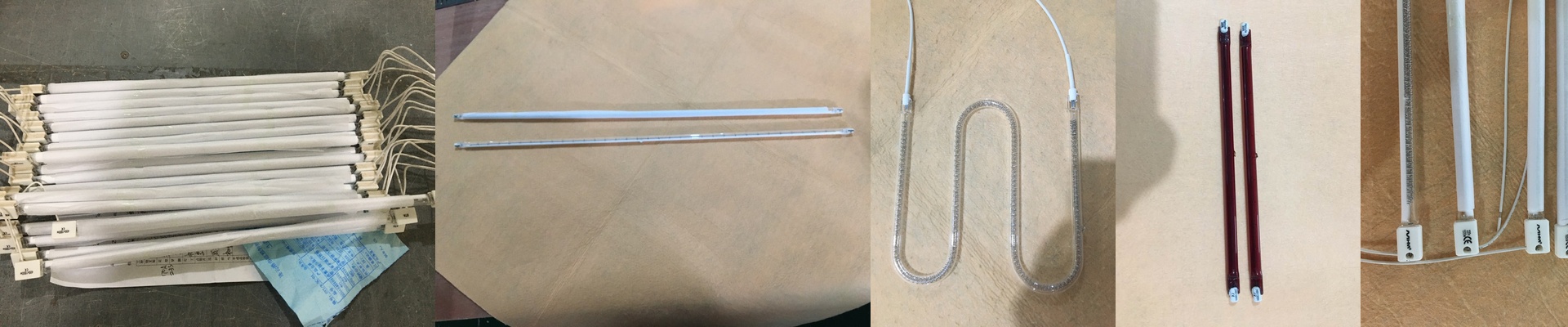
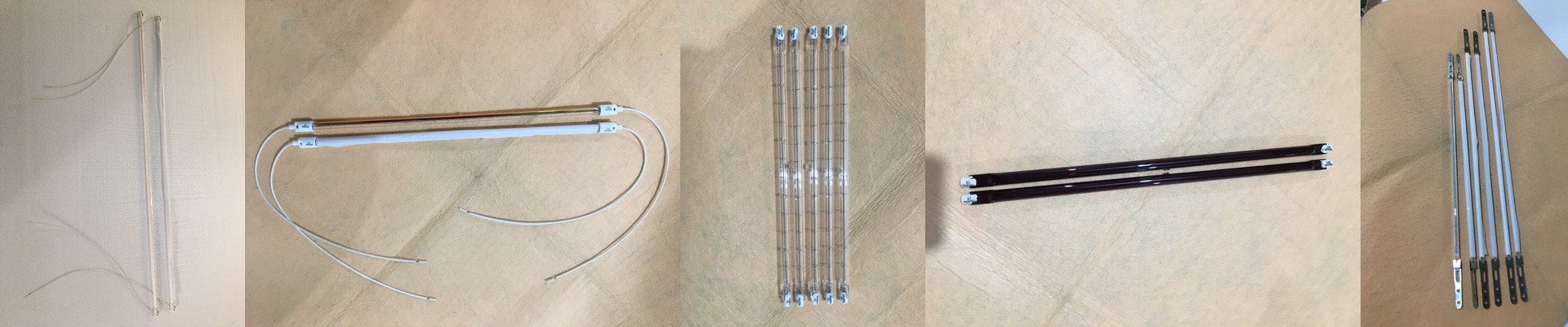
We use heavy-wall quartz glass. Why? Because when things get incredibly hot, cheap glass sags. Ours doesn’t. Most of our SCM replacements use R7s or SK15 connectors. They’re simple drop-in replacements. You don’t have to mess around with rewiring your machine. You just slide the old one out and pop the new one in. Easy. If you want to save some energy, we’ve got coated options that bounce the heat back toward the workpiece. Just a heads-up: those coated tubes are a bit more brittle.**Wear gloves when you handle them.**Skin oils create hotspots on the glass, and that’s a quick way to kill a brand-new lamp.
A Few Trade-offs to Keep in Mind
High-output lamps pack a punch, but all that heat has to go somewhere. If your cooling fans are clogged with dust, the housing will overheat and your filament will die way sooner than it should. Keep those vents clean. And one last tip: find the sweet spot between your feed speed and the lamp’s recovery time. That’s the secret to keeping your glue temperature rock solid all day long.