Stop Fighting With Your PET Blowing Heaters
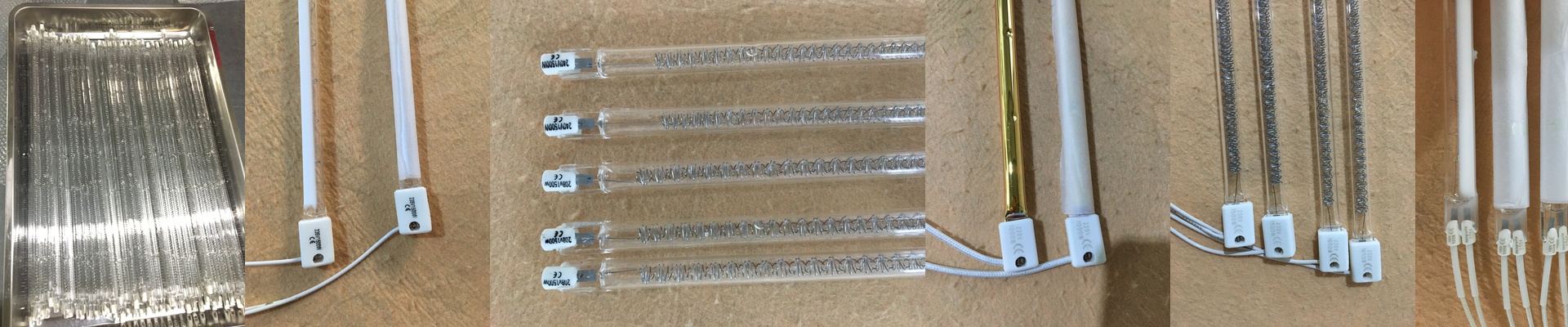
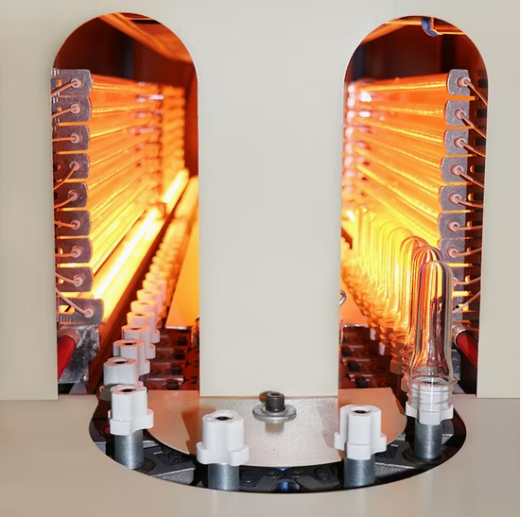
Let’s be honest: replacing heating lamps in SIPA machines is usually a massive headache. You spend half your time worrying if the specs are actually right or if you’re getting locked into some proprietary nightmare. We wanted to fix that. We built our shortwave infrared lamps to just work. They’re designed to drop right into over 95% of the blowing equipment out there. It’s not about some generic “one size fits all” gimmick; it’s about getting the physics of PET heating exactly right.
Getting the Power Right
Here is the thing about PET walls: you need enough heat to soften the plastic, but not so much that you burn it. It’s a delicate balance. We tune our tubes with very specific voltage and wattage ratios—usually 230V or 400V, depending on what your grid looks like. This ensures the heat output feels just like the original OEM lamp. If you try to skim and put a low-wattage tube in a high-speed line, your preforms won’t be hot enough by the time they hit the blow stage. On the flip side, if you over-do the wattage, you’re just burning through your lamps way too fast.
The Nitty-Gritty: Quartz and Connectors
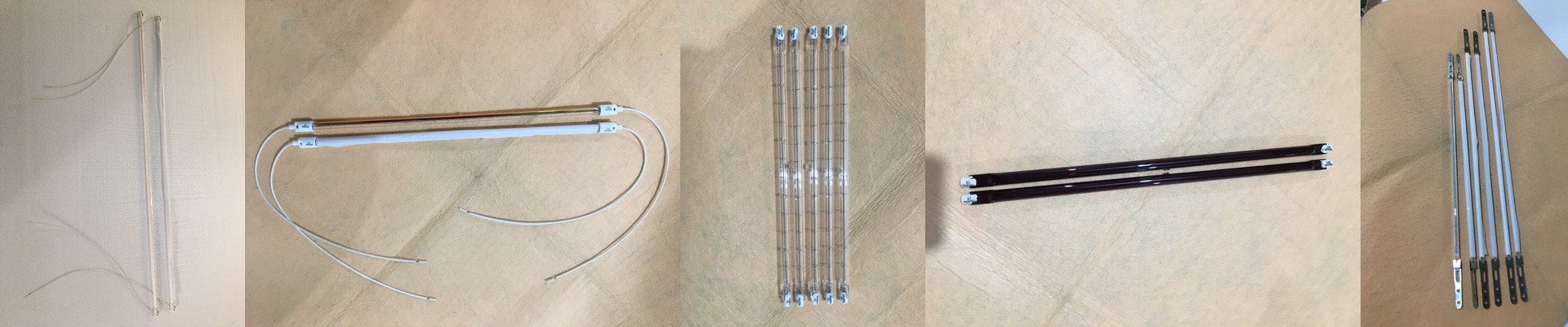
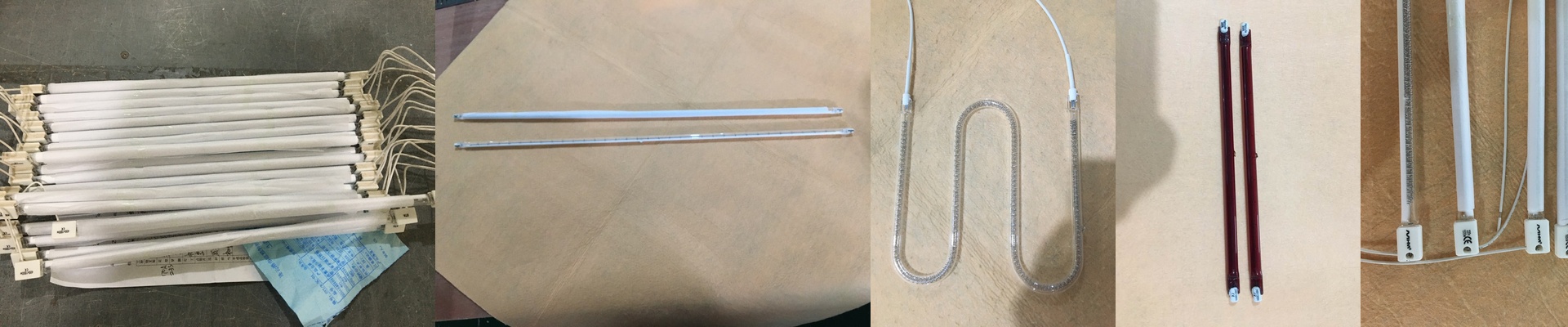
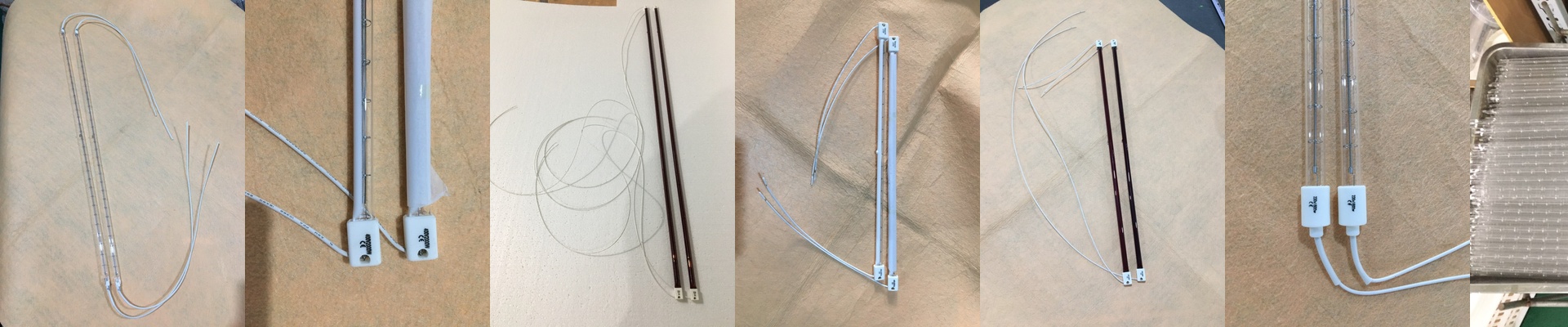
We use high-purity quartz glass with special halogen coatings. Why? Because it shifts the infrared spectrum so the heat actually penetrates the PET instead of just bouncing off the surface. And since nobody wants to spend their weekend modifying a machine, we stick to standard R7s and Sk15 connectors. You plug them in, flip the switch, and you’re back in production. But a fair warning: these high-intensity lamps get incredibly hot at the ends. If your reflectors are pitted or your cooling fans are choked with dust, those lamps aren’t going to last. Keep your machine clean, and they’ll treat you well.
Real-World Results
We obsessed over the footprint. By matching the exact length and diameter of the SIPA originals, we got rid of the need for those annoying custom brackets. The result is a consistent heat profile across the whole oven. That means way less scrap and fewer uneven preforms hitting the floor. Plus, we actually keep these in stock. You won’t have to sit around for weeks waiting on an OEM shipment just because you hit a production spike.