Why we don’t cut corners on our heat lamps
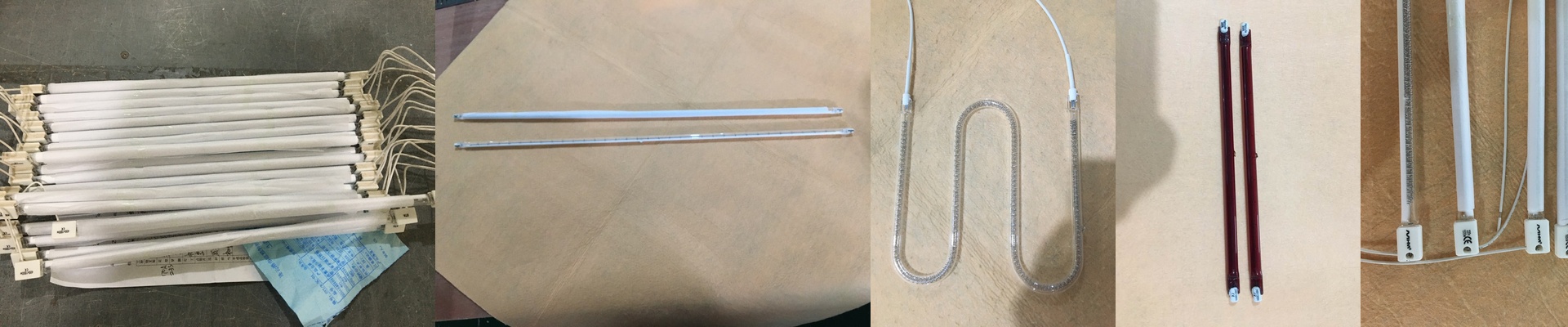
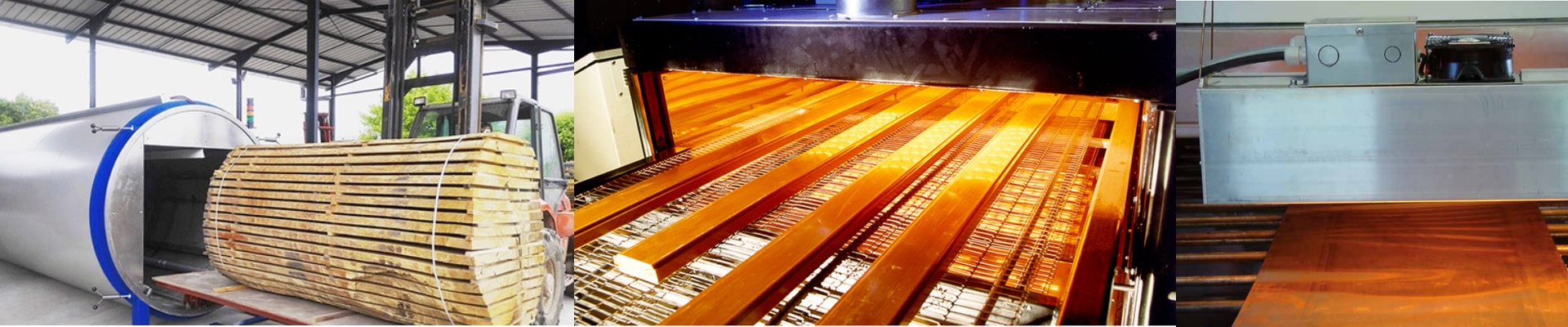
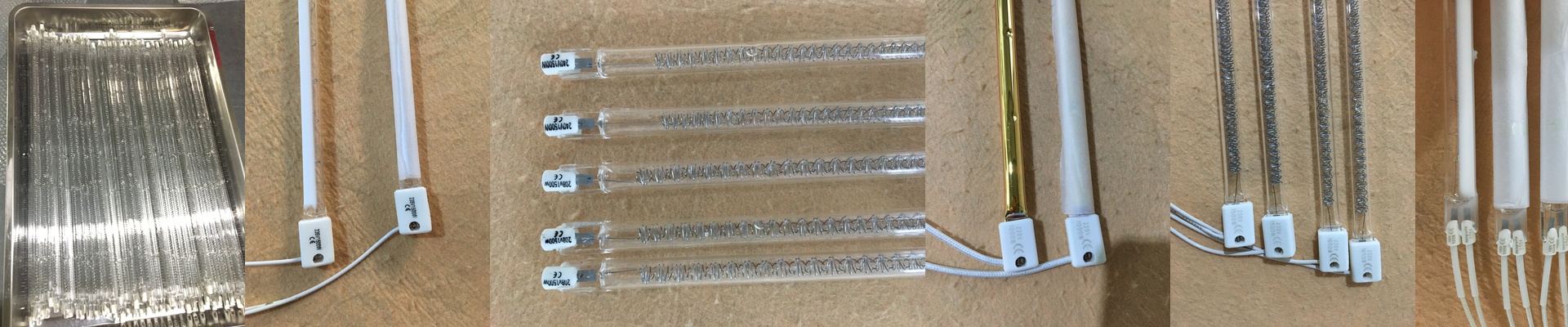
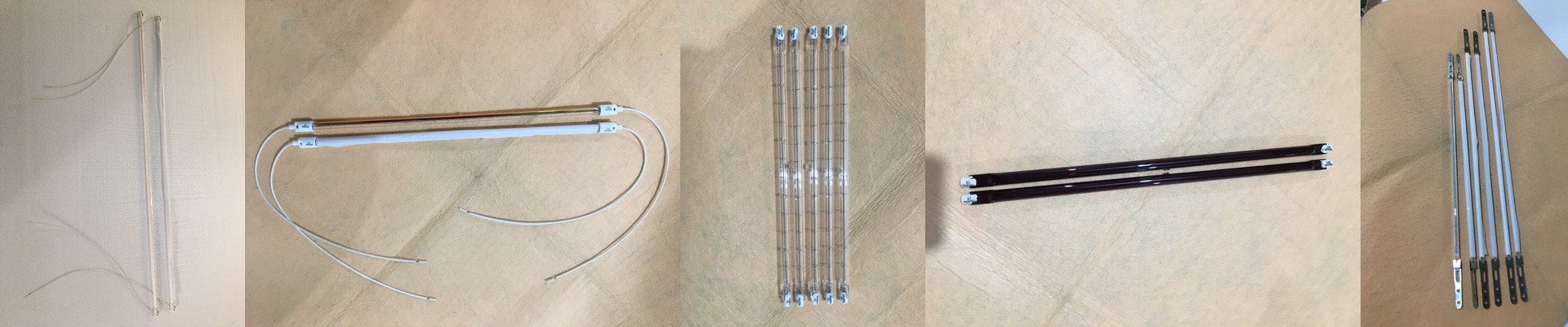
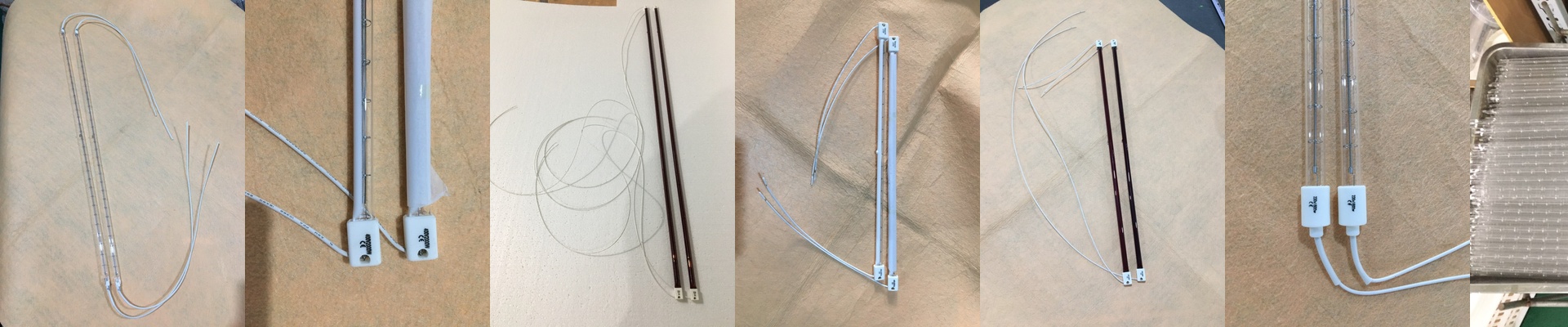
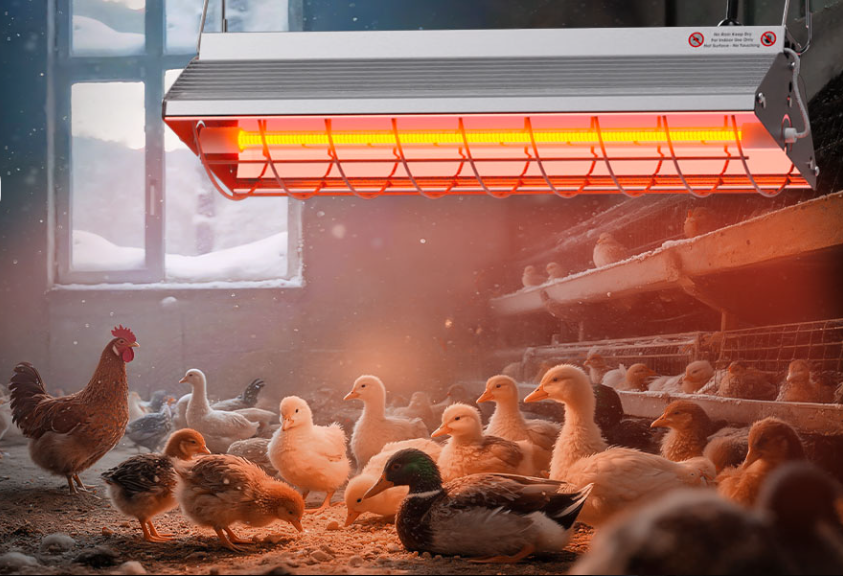
When you’re heating piglets, you quickly realize that not all bulbs are created equal. There’s a world of difference between a cheap, generic lamp and one built to the same standards as the big-name equipment brands. For us, it comes down to two things: how steady the heat is and how long that quartz glass actually lasts. Getting the temperature just right Piglets are picky. If it’s too cold, they huddle. If they huddle, they get crushed. It’s a nightmare. To stop that, we use halogen-filled quartz tubes. They heat up fast and keep the radiation consistent. We’re also obsessive about wattage. If a lamp is off by more than 5% from where it should be, it goes in the trash. No exceptions. That way, you don’t end up with “cold spots” in the creep area. Built to take a beating Cheap tubes are fragile. One cold draft or a weird power spike and snap—they crack. We use high-purity quartz glass that can handle the thermal shock. We also put a lot of work into the seal between the filament and the envelope. Why? Because gas leaks are what usually kill these lamps early. And the connectors? They actually fit. No loose pins, no flimsy wiring, and no scary electrical arcing. It just clicks in and stays put. The real-world stuff Here’s the thing: these lamps put out a lot of intense heat. You’ve got to make sure your ventilation is on point. Too little air and you’ll bake the piglets; too much and you’re just burning money trying to fight a draft. We designed these to be a simple drop-in replacement. You can swap them out in seconds without having to rewire your entire rack. Plus, we don’t just ship them and hope for the best. Every single batch runs under a full load for 24 hours before it leaves our floor. We’d rather find a dud in our warehouse than have you find one in your barn.