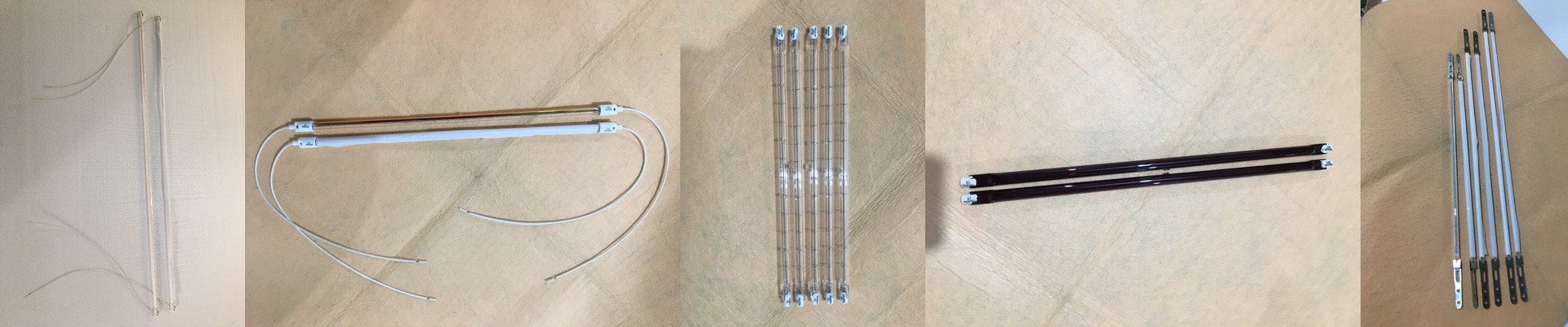
Keeping Your Burkle Press Running: The Truth About Heater Lamps
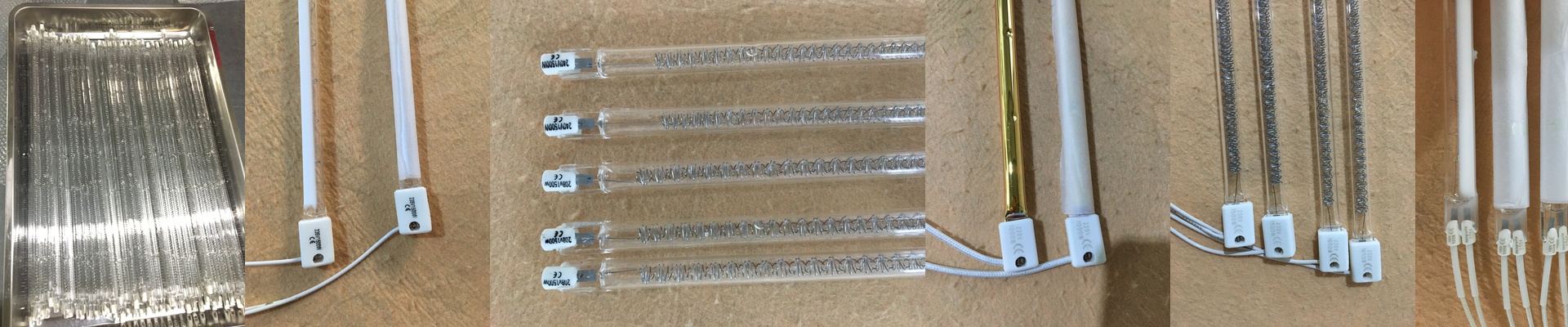
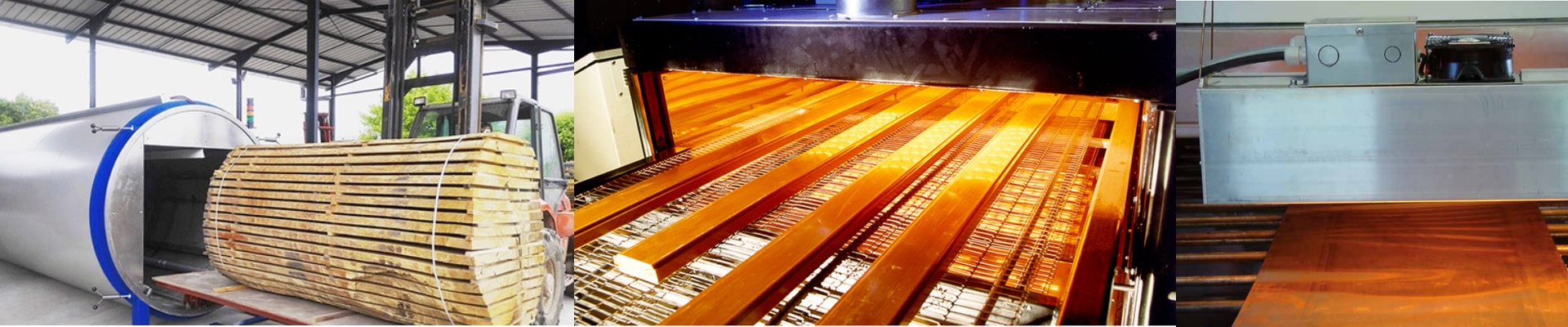
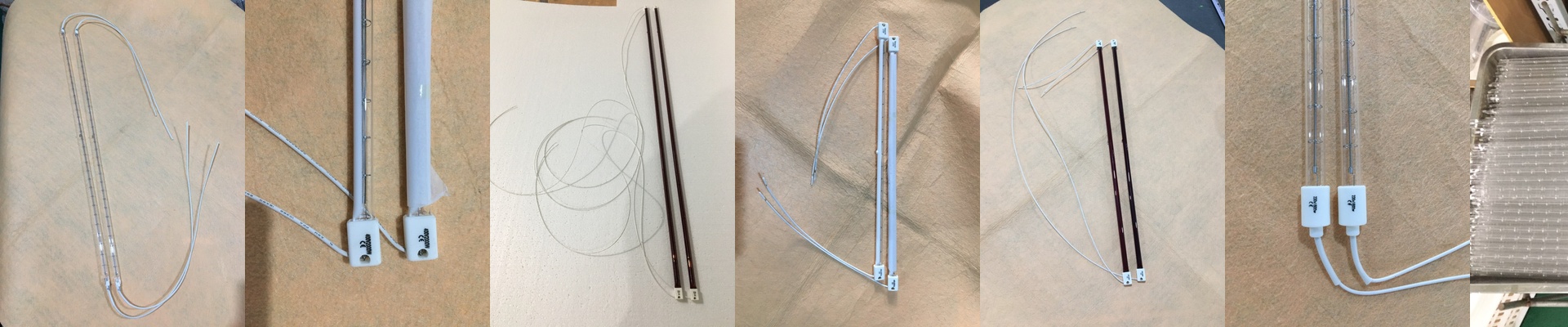
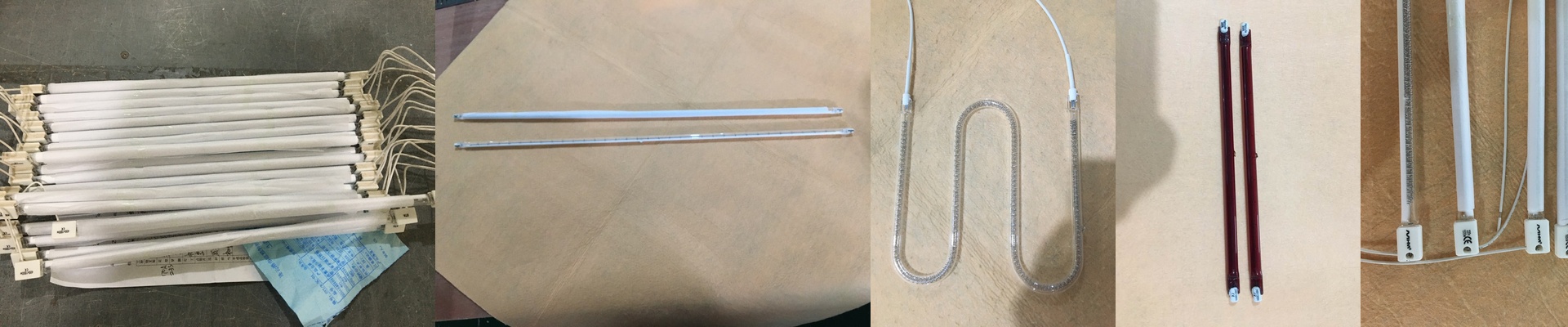
If you’re running a Burkle veneer press, you know these things are workhorses. But they rely on high-wattage infrared lamps that basically live in a furnace. It’s a brutal environment. Here’s the reality: one tiny insulation failure and you’ve got a tripped breaker or a short circuit. Suddenly, your entire production line is dead in the water. That’s a headache nobody needs.
Why we obsess over the “HiPot” test
Before any lamp leaves our shop, we put it through a high-voltage (HiPot) and insulation resistance test. And no, this isn’t just some box we check for the manual. We blast the lamp with a voltage way higher than what it’ll see in your machine. Why? Because we want to find the weak spots now, not when the lamp is already installed in your press. If there’s a microscopic crack in the quartz or a seal that isn’t quite right, the test catches it. It means when you wire it up, you don’t have to worry about the lamp arcing to the machine frame.
Dealing with the heat
These lamps are built to push a massive amount of heat into wood veneers fast. That creates a huge temperature swing in a very small space. Over time, that kind of heat eats away at standard insulation. By verifying the insulation resistance (IR) at the factory, we make sure the lamp can take a beating without leaking current. It’s about peace of mind.
A quick word on installation
Now, we can make the best lamp in the world, but it can’t fix a bad install. If you over-tighten the connectors or let moisture creep into the terminals, you’re asking for a flashover. It doesn’t matter how well the lamp passed our tests if the connection is sloppy. Just make sure your machine’s grounding is solid. We build these to fit the Burkle specs exactly. They’re simple drop-in replacements. At the end of the day, the goal is basic: the lamp heats the veneer, and the electricity stays exactly where it belongs.