Getting More Out of Your Old SBO6 Machines
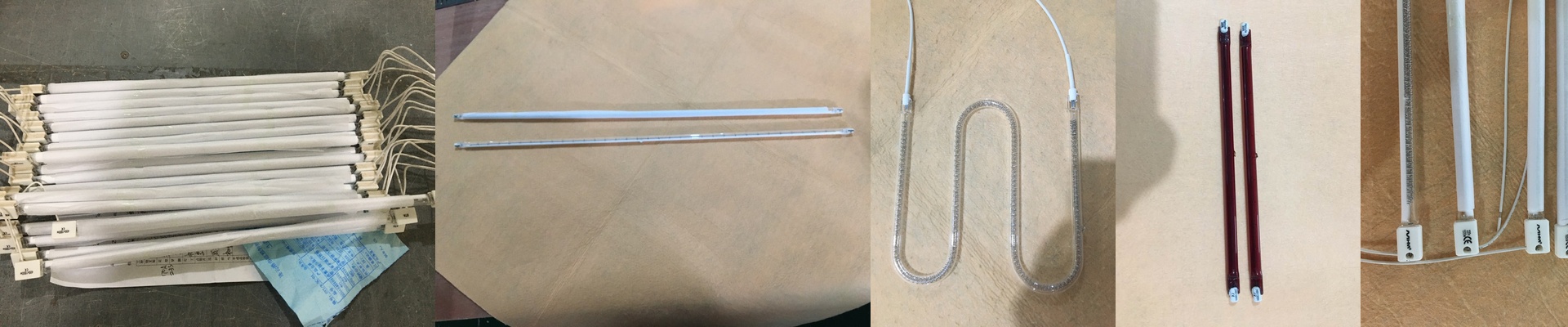
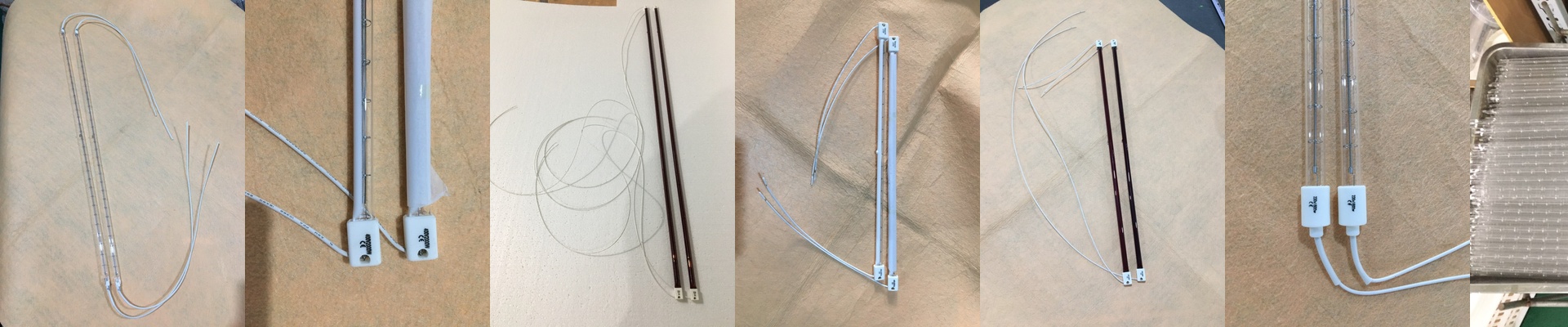
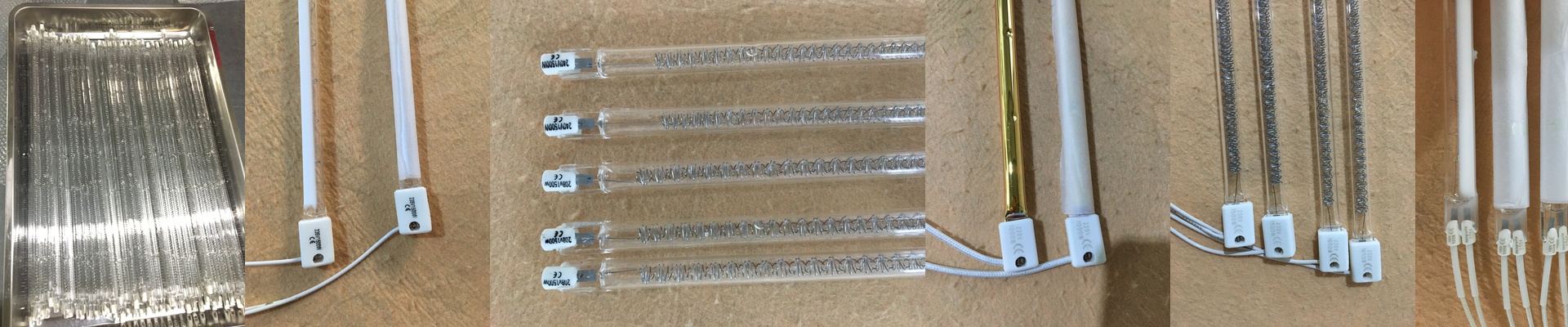
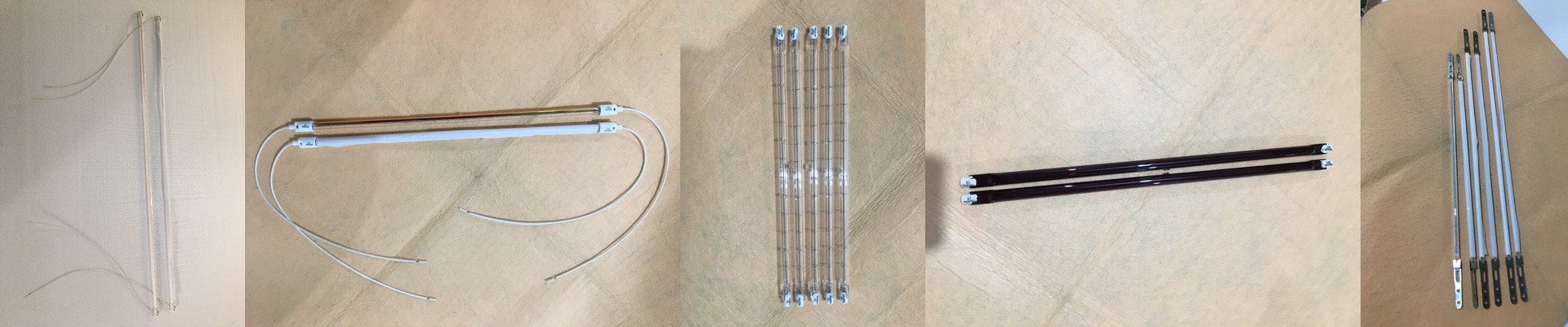
If you’re running mid-tier PET blow molding machines, you probably know the frustration of hitting a wall with your old SBO6 units. You want more bottles per hour. Simple, right? But the machine is already screaming at max speed and you can’t push it any further. Usually, the culprit is the heating oven. When your preforms aren’t hitting the right temperature consistently, you end up with those annoying wall thickness variations or that cloudy, pearlescent look that ruins a batch. The secret is in the heat. Swapping out your standard lamps for high-output infrared tubes completely changes how your oven breathes. We’re talking about short-wave radiation here. These lamps blast energy in a narrow spectrum that PET just drinks up. When you jump to a higher wattage, you’re increasing the heat flux. In plain English? Your preforms get to blowing temperature way faster. This gives you a choice: you can crank up the conveyor speed to pump out more bottles, or you can actually lower the oven temp and save some money on your power bill. But don’t just buy any tube. A replacement for the SBO6 has to fit perfectly. We use high-purity quartz glass because it doesn’t burn out nearly as fast. You also need to keep an eye on the connectors—usually R7s or SK15. They need to handle the current without pitting or sparking. Here is a heads-up: if you move to a higher voltage or wattage, check your wiring. A 2500W tube puts a lot more stress on your contactors than a 1500W one. If your electrical panels are ancient, they might start to overheat under the extra load. The “Gotchas” Better lamps aren’t a magic wand. High-density IR heat can actually create “hot spots” if your reflectors are dirty or oxidized. Think of it like a mirror. If the mirror is cloudy, the energy just bounces away. You only get that extra speed if the reflectors are pushing that heat back into the plastic. Do yourself a favor and scrub your reflectors clean before you put the new lamps in. Otherwise, you’re just paying for electricity you aren’t using. And one last thing—keep an eye on your airflow. More heat in the oven means your cooling fans have to work harder to strip that heat away. Make sure they’re humming along properly.