Stop Fighting Your SIPA Oven
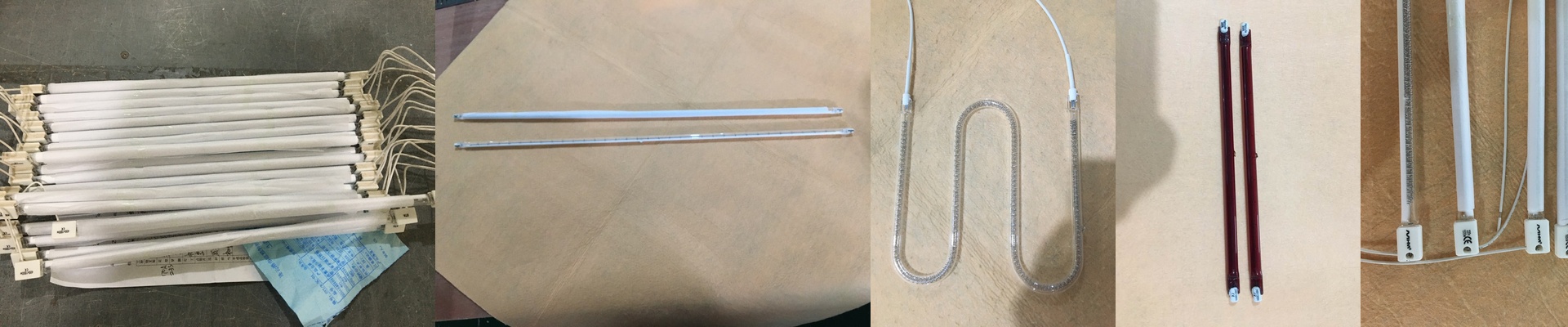
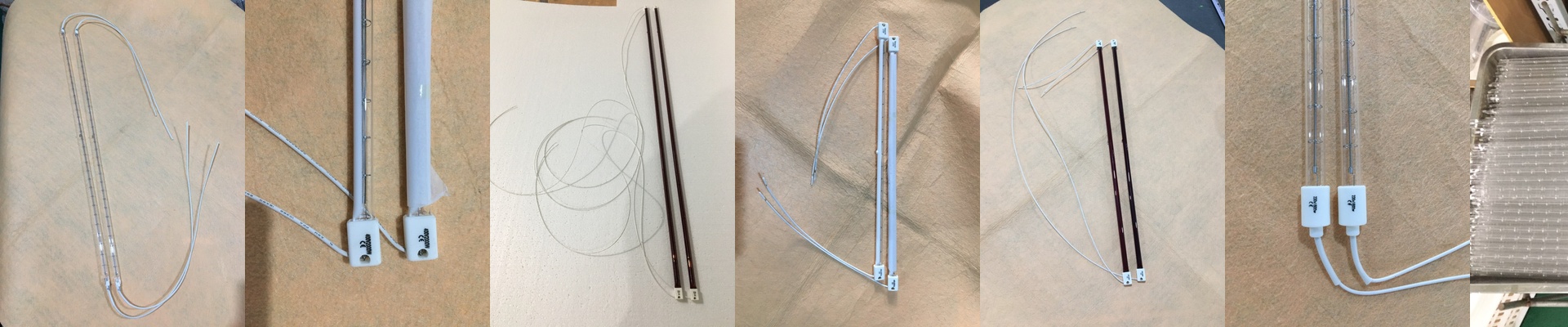
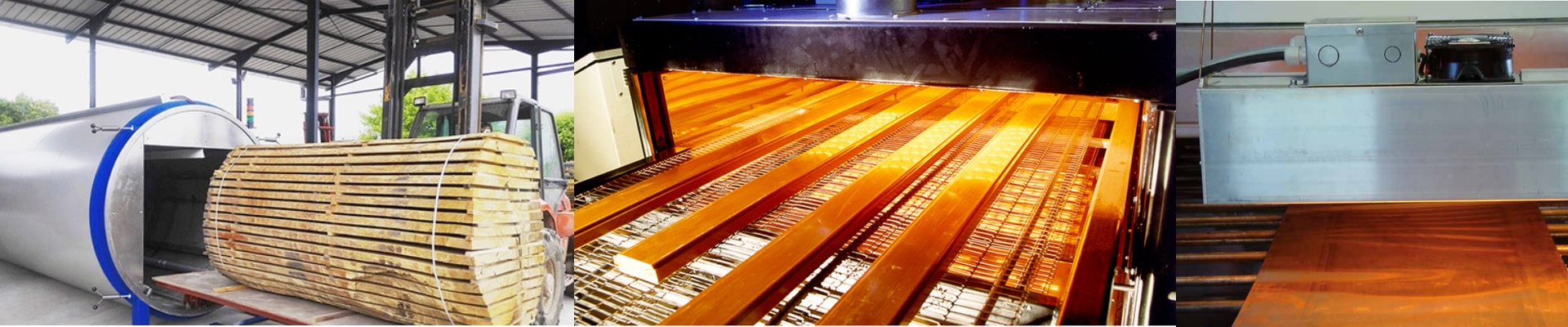
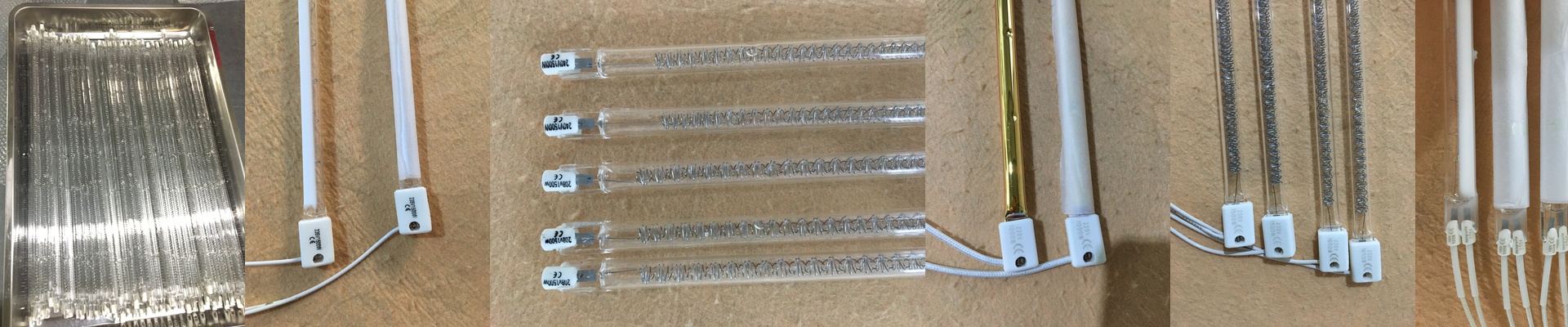
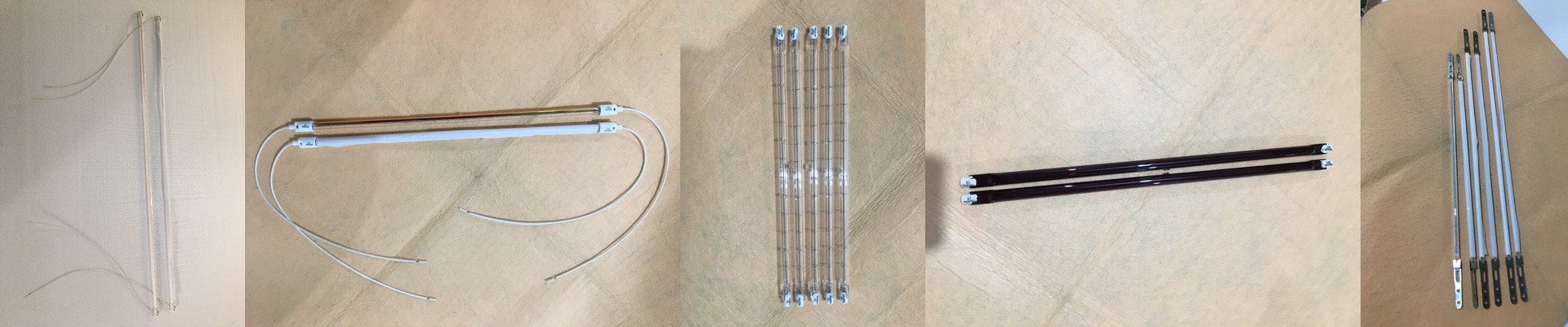
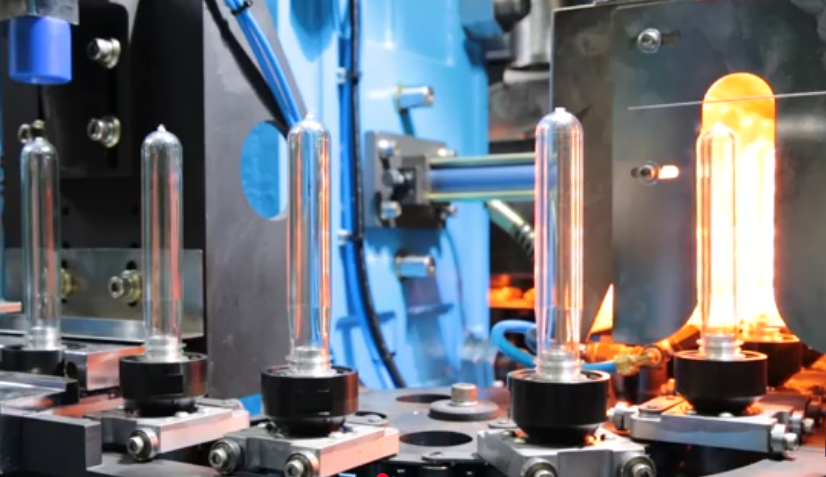
Ever notice how your SIPA rotary machine just won’t behave? You’re chasing your tail trying to get the heat right, but you keep getting those annoying wall thickness variations. Or worse—bottles that just fail. Most of the time, the culprit is a power mismatch. It happens when you mix and match lamps with different wattages or voltage tolerances. It sounds like a small detail, but it creates a mess of uneven heating. We fix this by making IR lamps that are 100% power-matched and built specifically for the SIPA footprint. Let’s talk about the physics (the simple version) Stability is everything. If you have a lamp meant for 230V but the resistance is slightly off, your heat density shifts. You end up with “cold spots.” When that happens, operators usually do the only thing they can: they slow down the cycle times. That kills your productivity. We keep our tolerances incredibly tight. Every single tube puts out the exact same amount of energy. No guessing games. No cold spots. Just a steady, predictable heat. The nuts and bolts We use high-purity quartz glass because these things take a beating with rapid heating and cooling. To get the filament hotter without burning it out, we use halogen gas fills. Depending on your specific machine, we do R7s or Sk15 connectors. They’re direct drop-ins. You won’t have to touch your wiring or call in an electrician. Plus, we have coated options. These are great because they push the heat directly into the PET resin instead of wasting it by heating up the oven walls. Real talk: The shop floor Look, these lamps put out a lot of heat. To get the most out of them, you’ve got to keep your reflectors clean. A layer of dust acts like a shield, killing your efficiency no matter how good the lamp is. One more thing: high-wattage tubes put more pressure on your cooling fans. If your vents are clogged, your sockets can actually melt. We build these to survive 24/7 production environments, but they still need a bit of love—and a stable power supply—to keep humming along.