Halogen Tubes: The Secret Weapon for Packing Serious Heat into Tight Spots
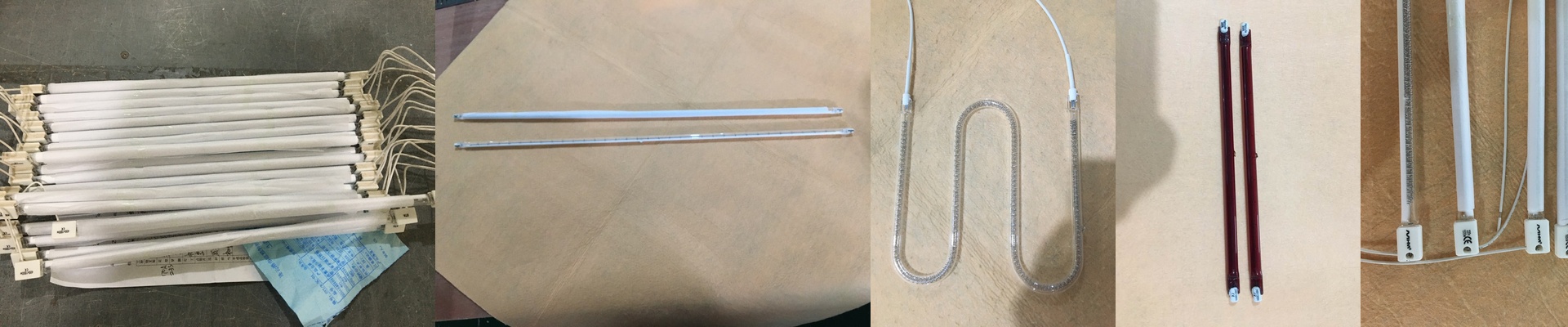
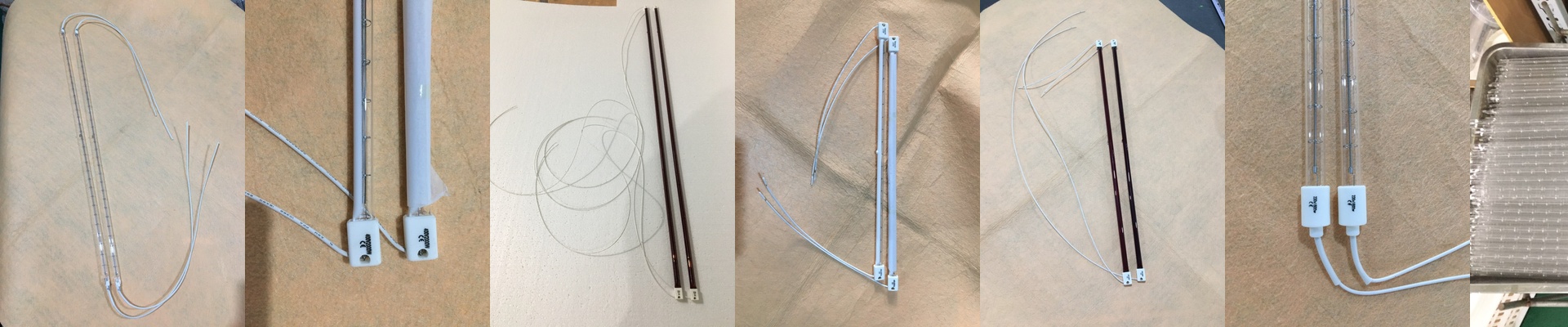
Picture this: you’ve got a machine that needs intense, focused heat—fast—but you’re working with barely any room to spare. That’s where a halogen tube comes in. It’s basically a compact powerhouse, wrapped in quartz, built to deliver a ton of heat in a very small footprint. We designed these for industrial lines where you need heat that turns on quickly, stays steady, and doesn’t take up a lot of space.
Power, Voltage, and Size: Getting the Details Right
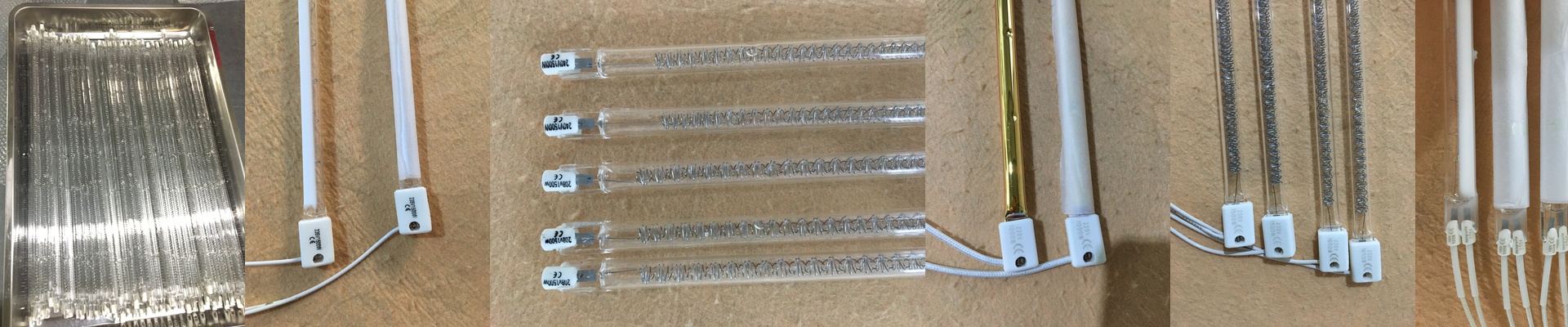
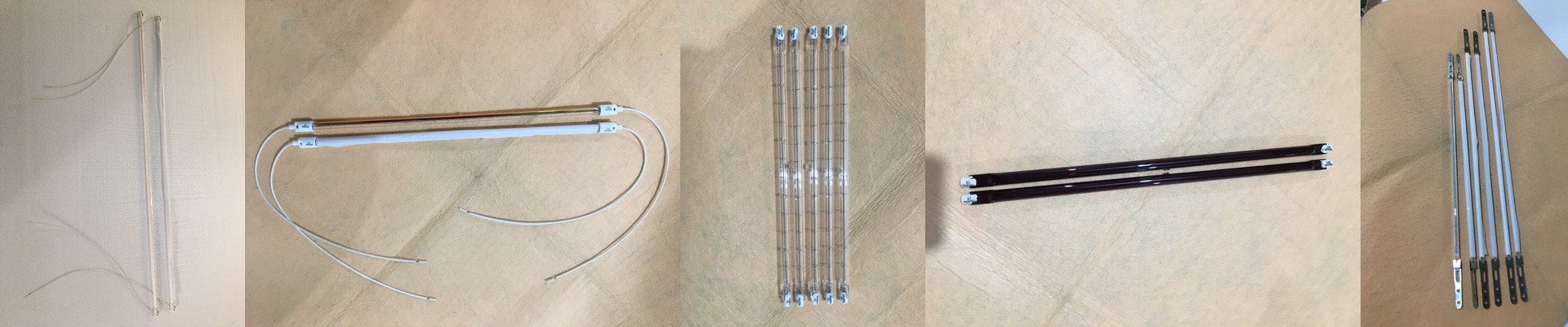
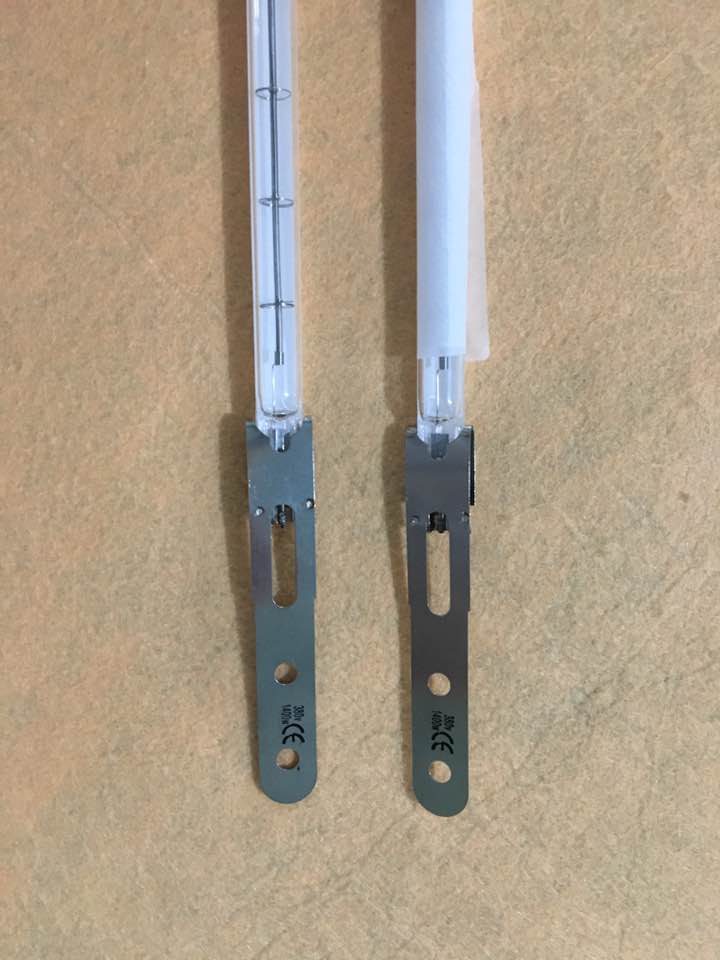
When we talk about performance, it all comes down to matching the wattage and voltage to your machine’s electrical setup. Take a 2500W tube at 400V. It packs a serious punch in a short package—usually around 300mm long. That tight, focused geometry is exactly what you need when your heating window is narrow and time is tight. And here’s a nice bonus: the high voltage keeps the current lower for the same power. That means you can stick with smaller wiring and connectors, and you don’t have to worry about voltage dropping off over longer runs.
What’s Inside: Quartz, the Halogen Cycle, and a Simple Connection
The tube itself is made of quartz. It’s tough enough to handle extreme heat and does a great job of letting infrared energy pass right through. Inside, the halogen cycle is quietly doing its thing. It keeps the filament clean by recycling evaporated material back onto the hot zone. The result? Output stays stable over time, and the filament lasts way longer than in a standard incandescent design. Then there’s the connector. We use an R7s—a straight, two-pin interface. It snaps right into the holder, handles the high current without extra hardware, and gives you a clean, repeatable connection every time. Installation is straightforward. Just drop it in and you’re good.
Where It Shines: Fast Heat Where You Need It Most
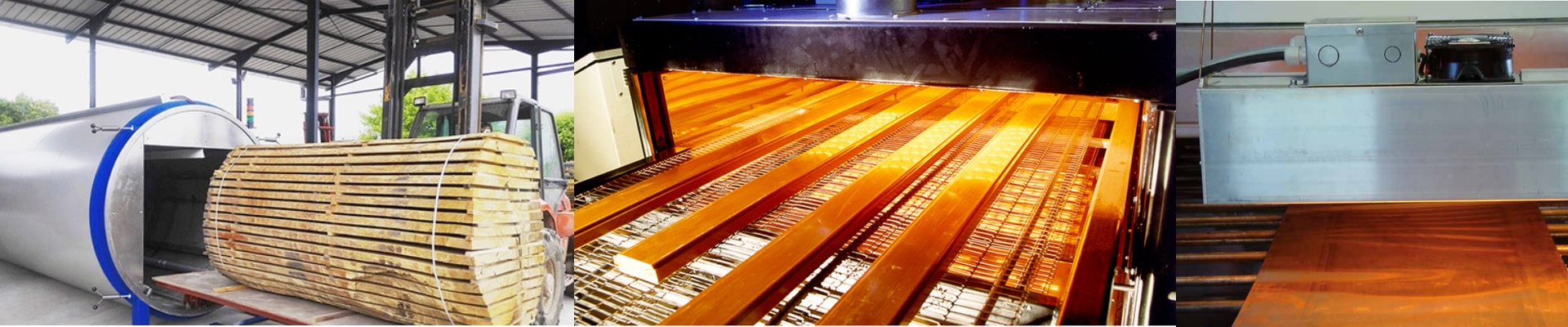
These tubes are the go-to when you need heat on demand, with almost no warm-up time. Think plastic processing, curing adhesives, drying coatings, or spot heating on packaging and converting lines. The compact size is a game-changer. It lets you fit heat into places where bulkier heaters just can’t go. And because it’s infrared, it heats surfaces directly and quickly.
The Trade-Off: Keeping Things Cool
Here’s the thing—all that concentrated power needs to be managed. You have to plan for proper cooling and heat management around the zone. Make sure the surrounding components are rated for the ambient temperature, and size your mounting and airflow so the lamp, socket, and nearby materials stay within their thermal limits. It’s all about keeping the heat where you want it—and nowhere else.