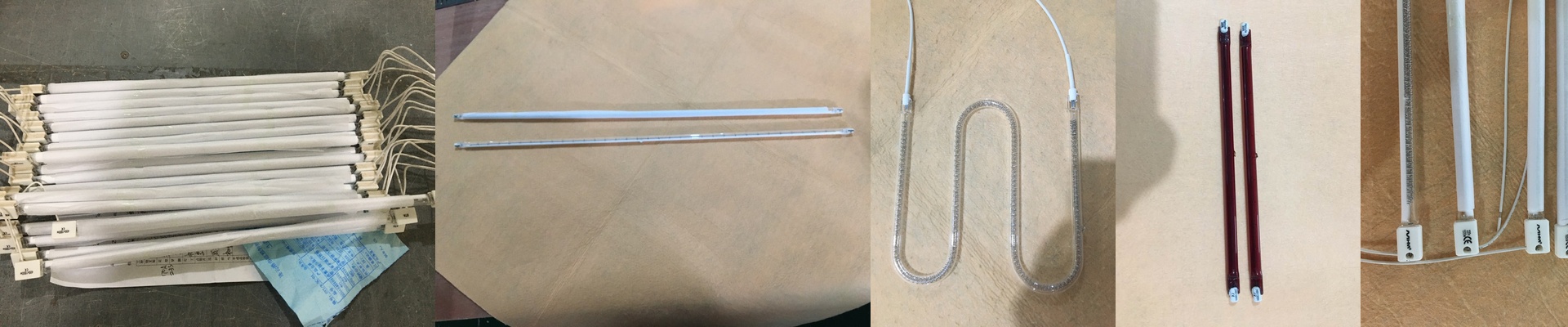
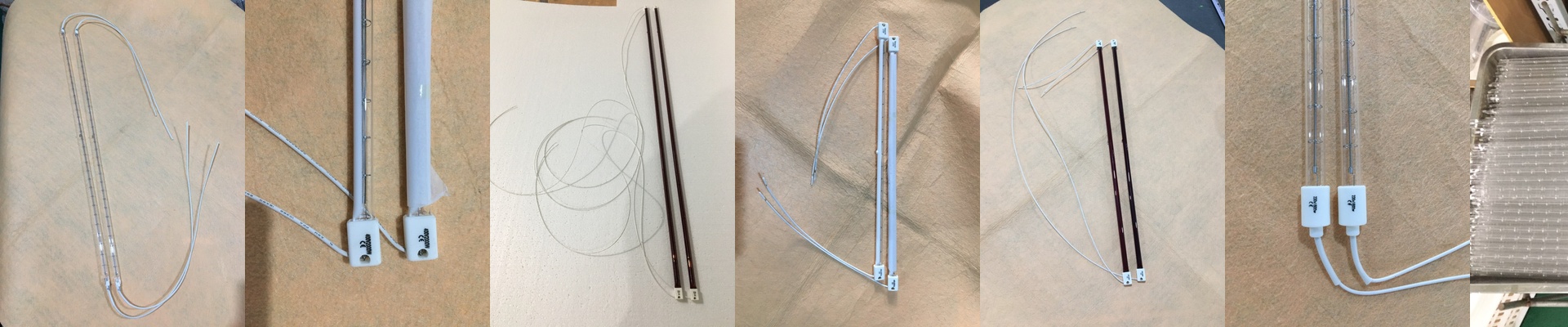
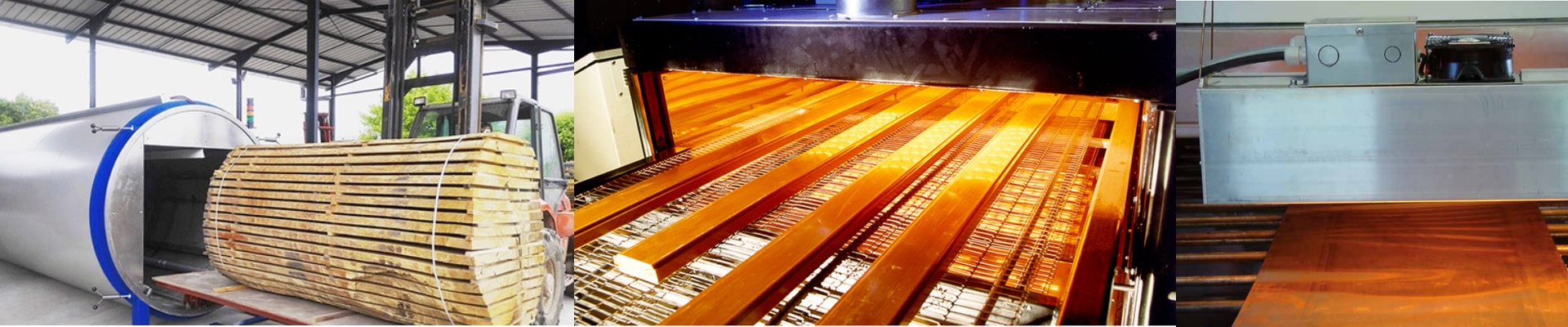
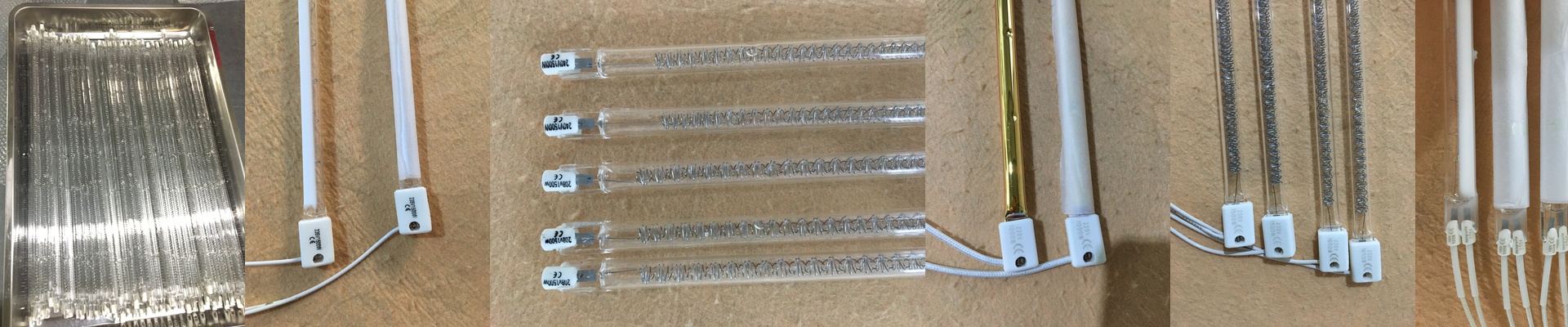
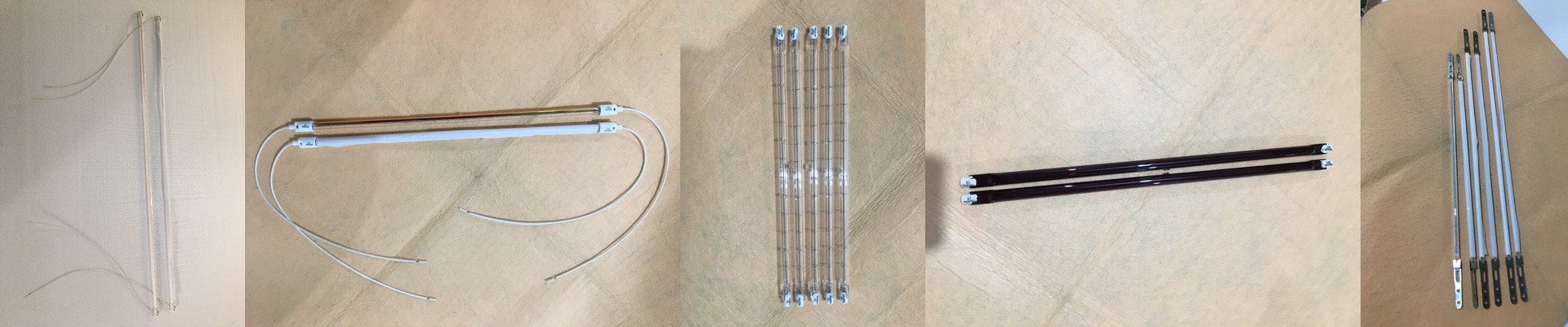
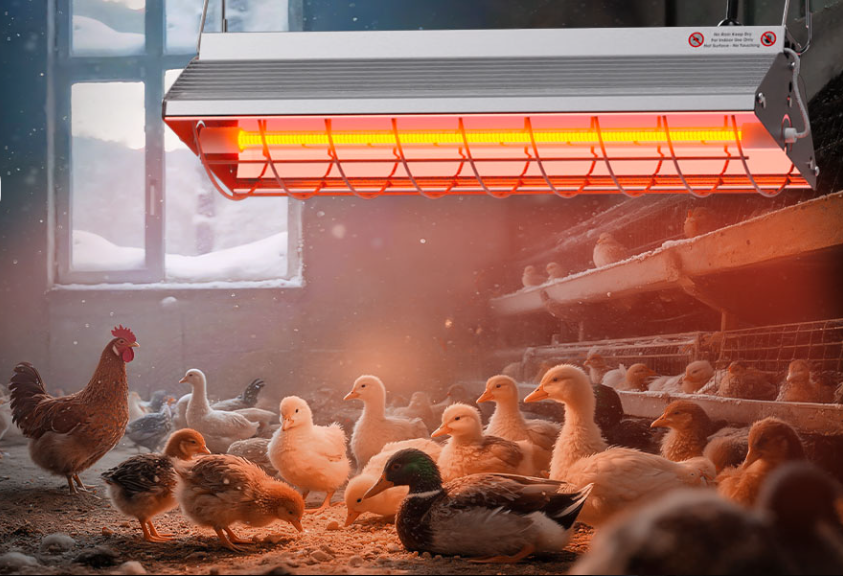
Picking the right infrared lamps for your new poultry setup isn’t just a technicality—it’s a decision that will either save you a fortune or bleed your bank account dry every month. If you get the specs wrong, you’ll find yourself paying to heat the ceiling and the empty air instead of actually warming your birds. Here is the thing about the physics: we stick with short-wave and medium-wave emitters because they use radiation. Think of it like the sun. Forced-air systems try to warm the whole room, but these lamps go straight for the animal. In a big automated house, that’s a massive win. You aren’t wasting precious kilowatts fighting a draft from the ventilation fans just to keep the floor from freezing. Now, when you’re wiring things up, you have to match your voltage and wattage to how many birds you’re packing in. High-wattage lamps give you a tighter, more concentrated heat footprint. It lets you create those cozy “heat zones” where chicks naturally want to huddle. But if you go too low on the wattage? Those lamps will run 24/7 just to keep up. That’s a fast track to burnt-out filaments and a utility bill that’ll make your head spin. Automation helps, of course. You can dim the lamps as the birds grow. But be careful. Pushing a lamp to its absolute limit all the time puts a lot of stress on your sockets and wiring. Just make sure your electrical panels can actually handle the load if every single lamp in the house kicks on at once. You don’t want to find out the hard way. It’s worth spending the extra time now to map out the layout and figure out where those heat cones overlap. Do it right the first time, and you won’t be scrambling to buy supplemental space heaters later. You’ll use fewer lamps, get the same healthy growth, and keep your overhead low. That’s where the real money is made.