Why Most Brooder Lamps Burn Out (And How We Fixed It)
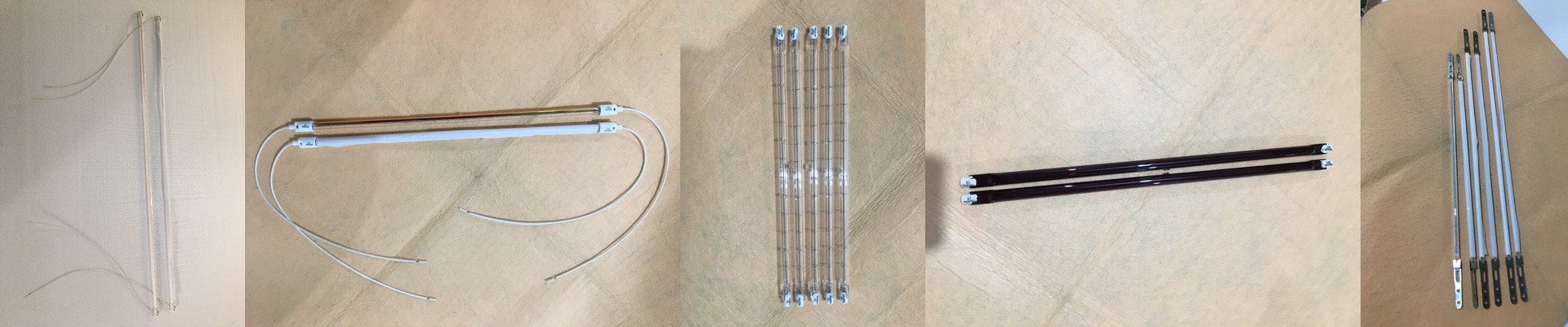
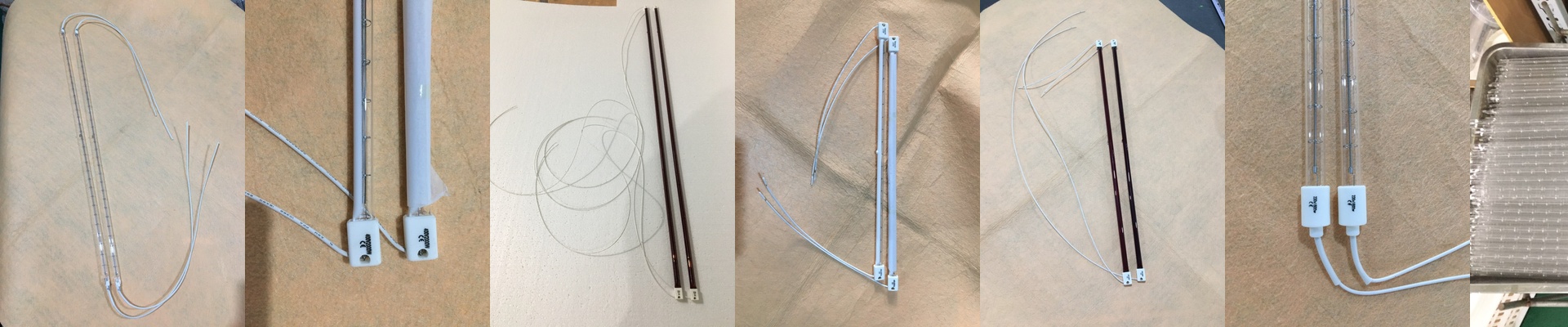
Ever wonder why some infrared lamps just… die? You buy a batch of wholesale bulbs, and half of them are gone in a few weeks. It usually comes down to the materials. If the glass is cheap, it doesn’t handle heat the way it should. When the lamp gets hot, the glass and the filament expand. If they aren’t perfectly matched, the glass puts too much stress on the wire. You get tiny cracks you can’t even see, and then—pop—the lamp is dead. We use high-grade quartz and tungsten because we’re tired of that cycle. It’s not about fancy branding; it’s just about making sure the bulb doesn’t fight itself while it’s heating up.
The Secret is in the Wire
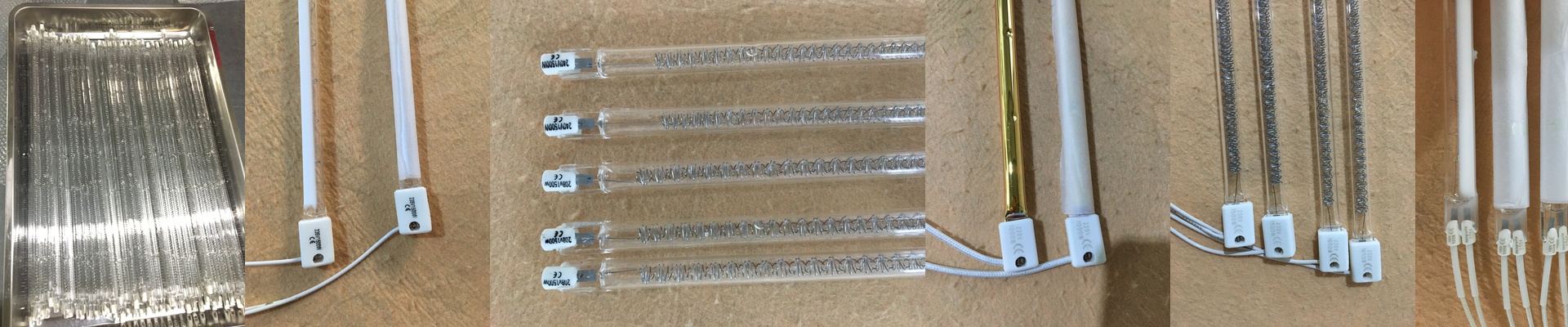
We use high-purity fused quartz because it can take the constant “on-off” heat cycles of a brooder without warping. But the real magic is in the tungsten filament. Think of it like a highway. If there’s one thin spot in the wire, all the heat bunches up right there. That “hot spot” is exactly where the filament snaps. We keep the thickness consistent across the whole coil. It’s a simple detail, but it’s why our bulbs last as long as the most expensive brands on the market.
A Quick Warning on Your Wiring
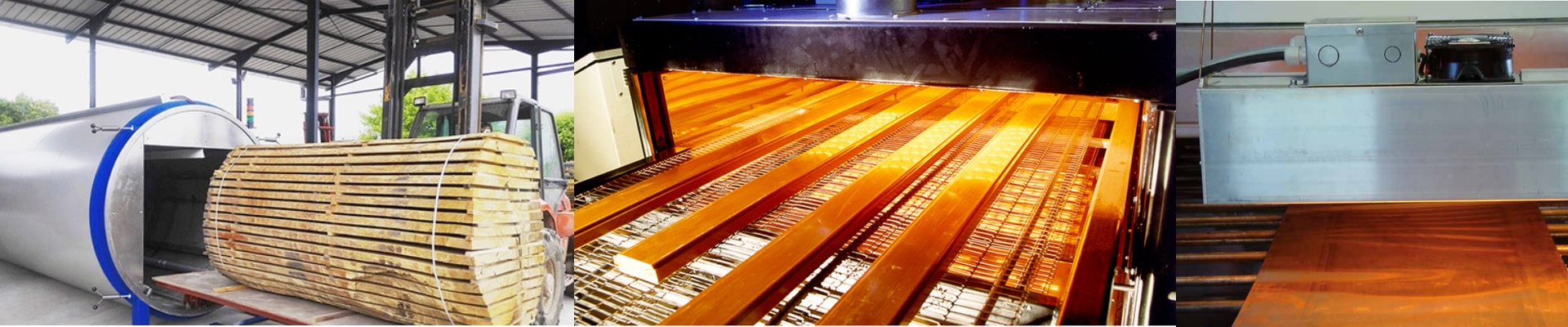
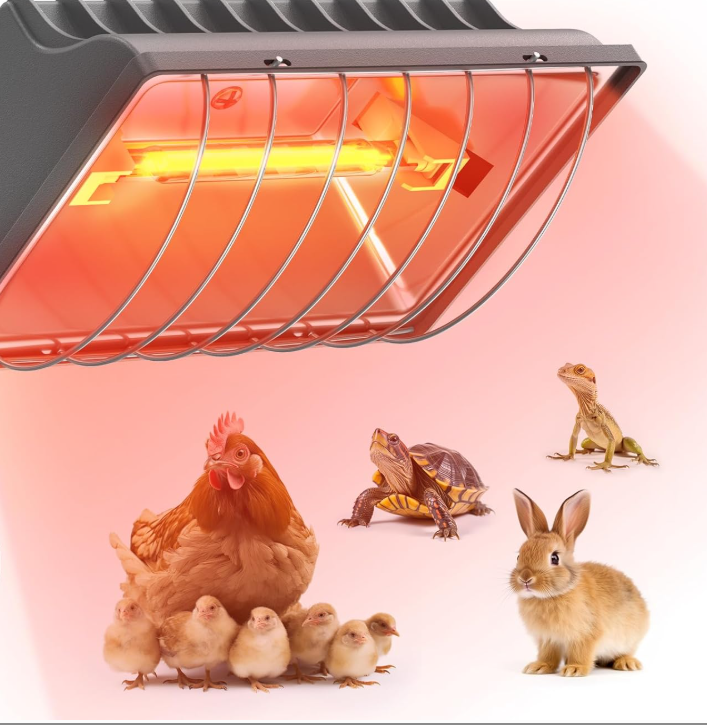
Here’s the thing: high-wattage lamps put a lot of pressure on your electrical system. If you’re running a huge bank of brooders, just double-check that your circuits can handle the load. If your voltage drops, your lamps won’t get hot enough. And if the lamps aren’t hot, your chicks aren’t warm. It’s that simple.
Easy Swaps, No Headaches
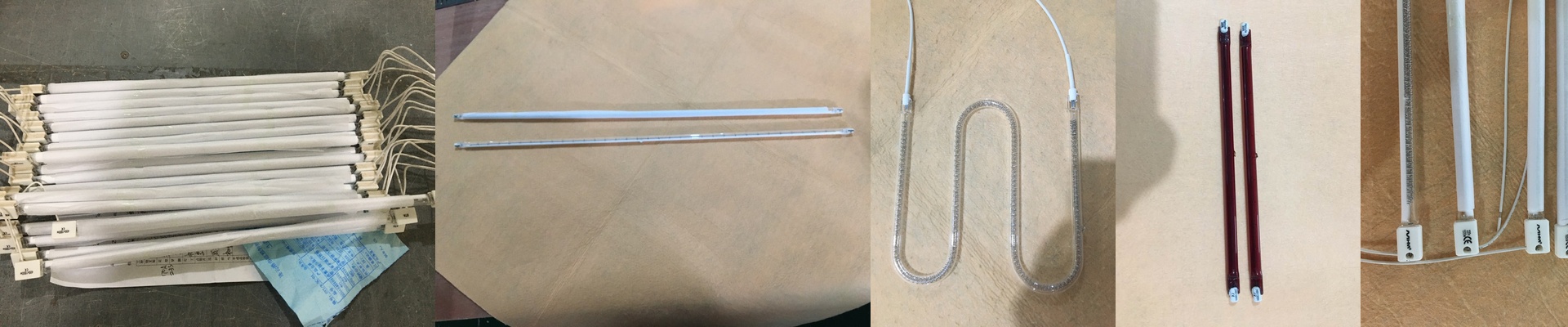
You shouldn’t have to rewire your entire setup just to change a bulb. We kept our lamps a standard size, so they just slide right in. Plus, we treat the quartz to handle the ammonia gases you find in poultry barns. Usually, those gases eat away at the glass, making it cloudy. Once the glass clouds over, the heat can’t get through, and your efficiency tanks. Our glass stays clear, so the heat keeps hitting the birds exactly where it needs to.