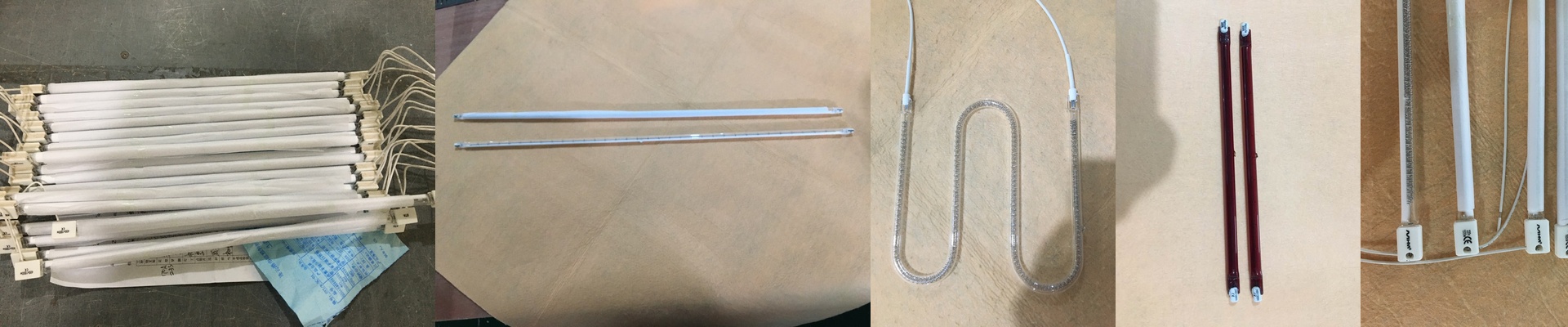
Stop Overpaying for Your Cefla IR Lamps
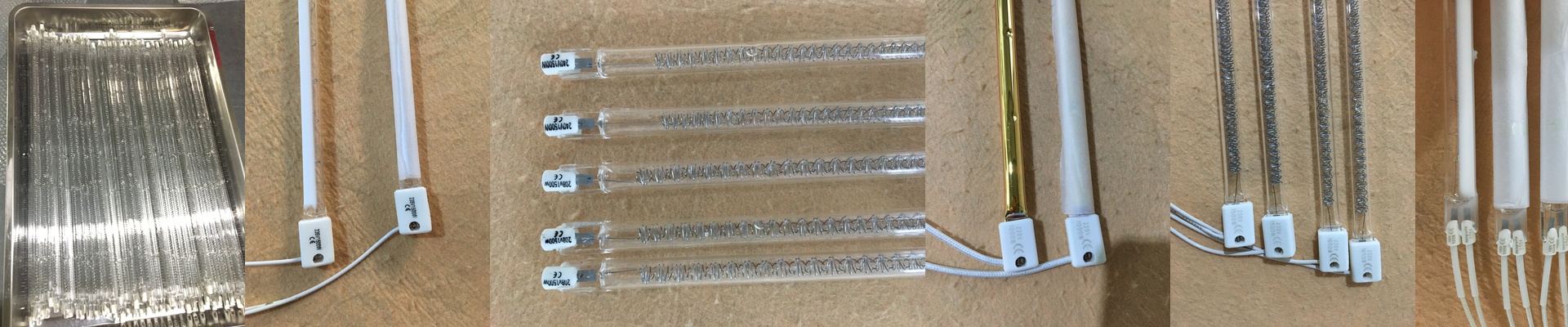
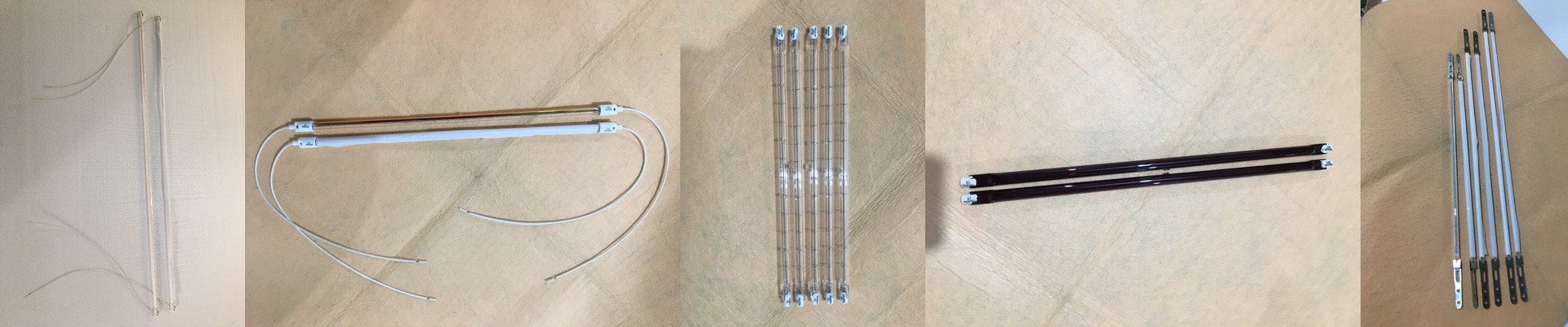
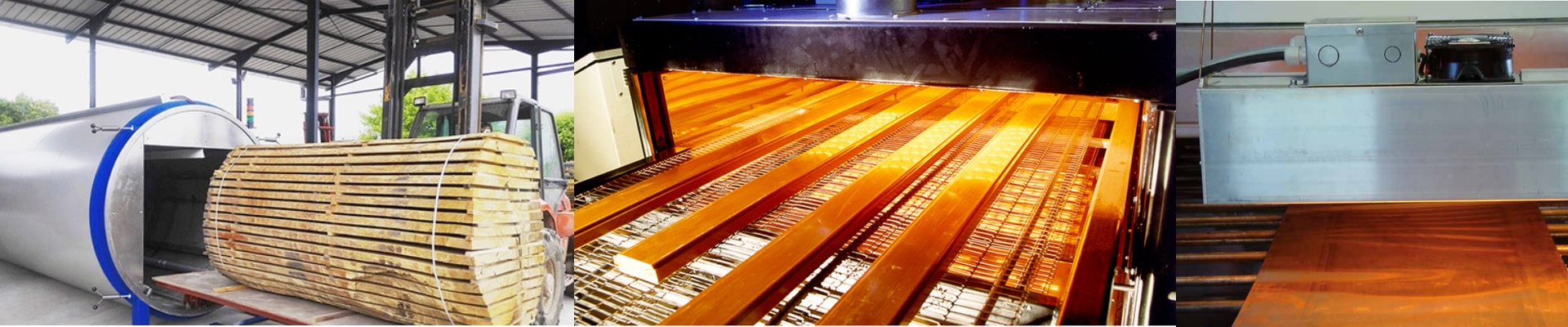
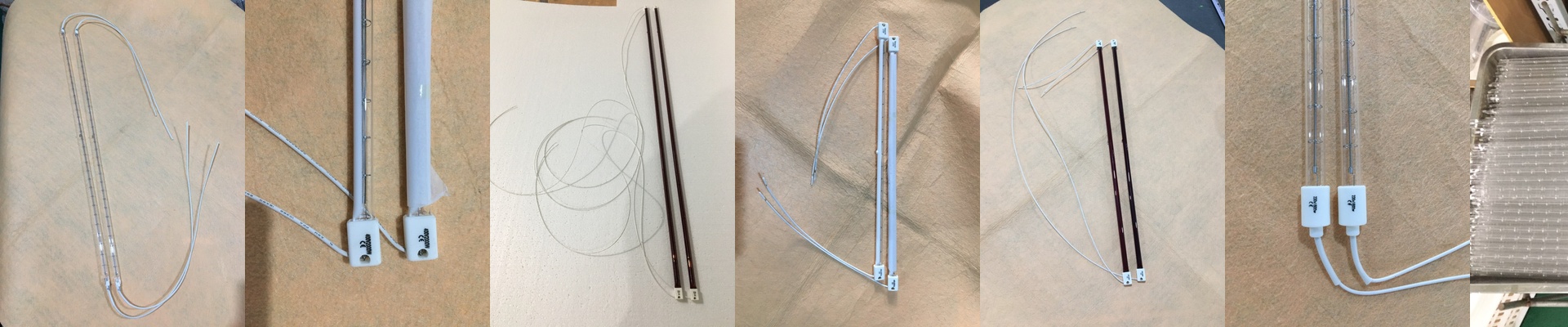
Let’s be honest. Most shops treat IR lamps like lightbulbs. You wait for one to pop, call the machine manufacturer, and pay whatever brand-name price they tell you. It’s a habit. But it’s also a huge drain on your wallet. We make replacements that hit every single Cefla spec, but without that “big brand” markup. It’s a simple way to keep more money in your pocket at the end of the year. The nitty-gritty on shortwave heat Cefla lines need that intense, shortwave infrared hit to flash-dry coatings fast. It’s basically a tungsten filament inside a quartz tube, usually packed with halogen gas so the filament doesn’t just evaporate under the pressure. This lets us cram a lot of power into a small space. But here is the catch: your voltage and wattage have to be a perfect match for your transformer. If they’re off, you’re looking at uneven curing or lamps that burn out way too soon. It’s all in the details We obsess over the stuff you don’t usually see. We use high-purity quartz because it can handle the constant heating and cooling without cracking. Then there are the connectors. Whether you’re using R7s or those slide-in mounts, they have to be tight. If a connection is loose, you get arcing. Arcing kills your sockets. We make sure the electrical contact is flush so you don’t lose voltage at the terminal. It just works. The balancing act: Speed vs. Life Here is the trade-off. High-wattage lamps give you the heat density you need to keep the line moving fast. But pushing them to the limit puts a lot of stress on the quartz. You get your drying speed, sure, but you sacrifice the life of the lamp. If you want a tip? Try auditing your conveyor speed. Sometimes, slowing the line down by just 5% can stretch the life of your lamps by 15%. That’s a win-win. You don’t need to pay a “brand tax” on something that’s essentially a consumable. Switching to OEM-spec lamps is a low-risk move that drops your cost-per-square-meter without messing with your process.