Stop Guessing with Your SIPA Rotary Heating
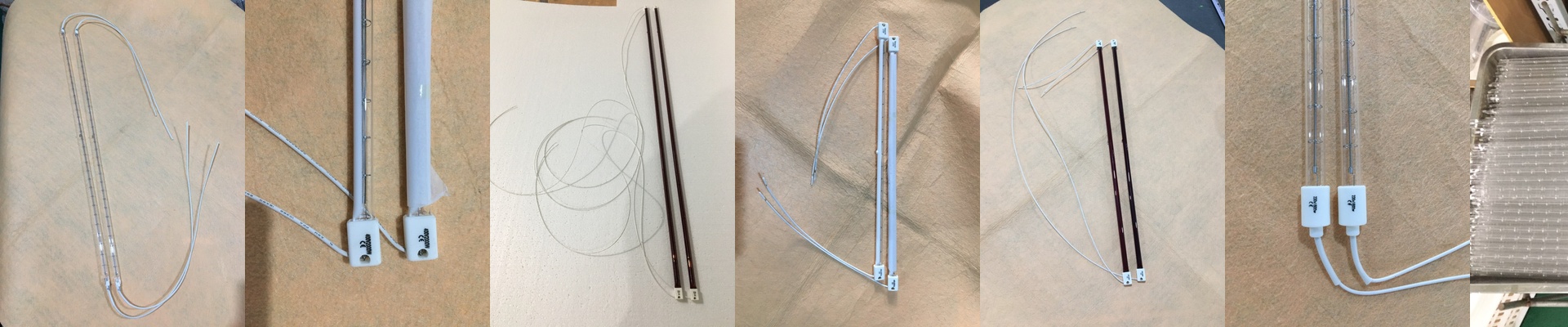
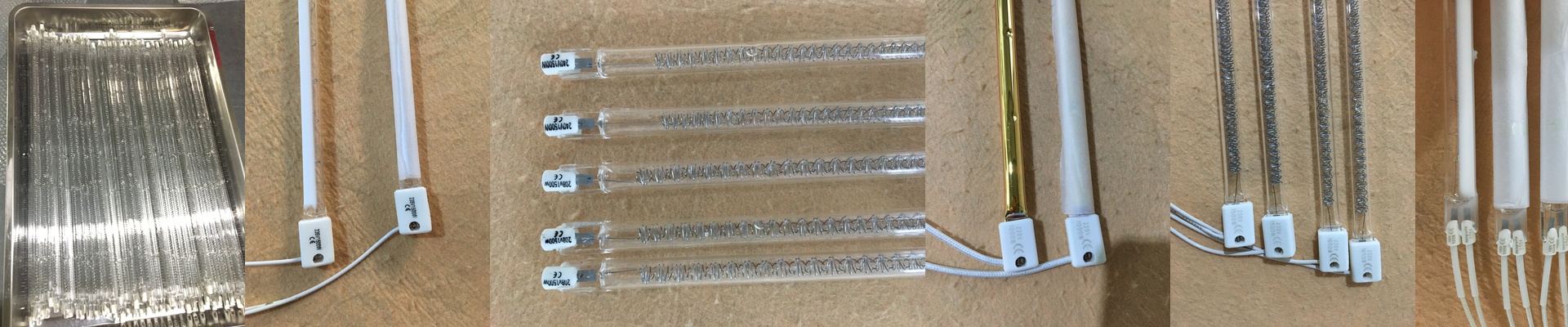
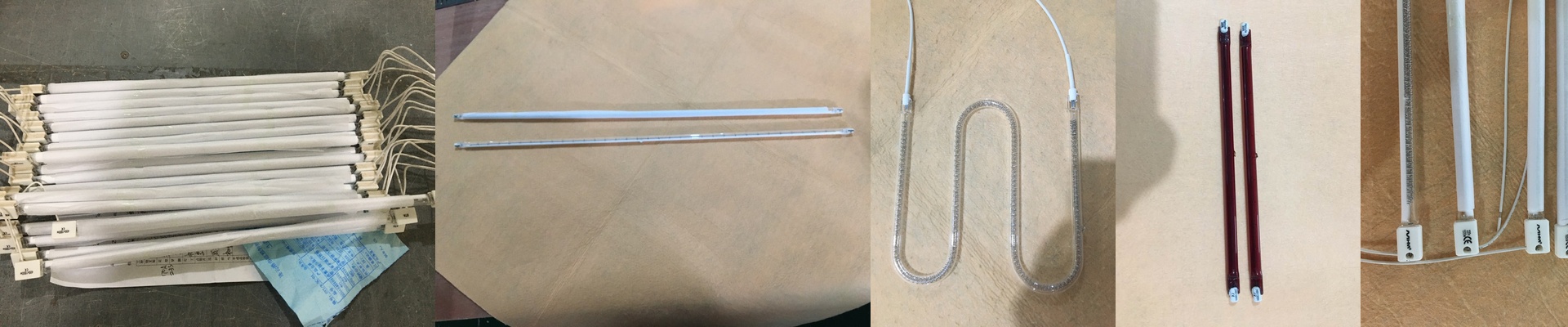
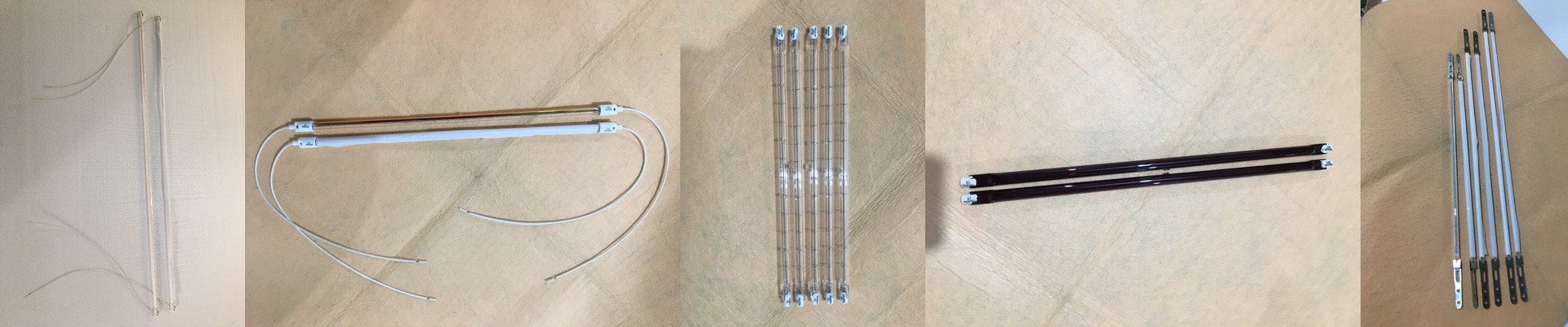
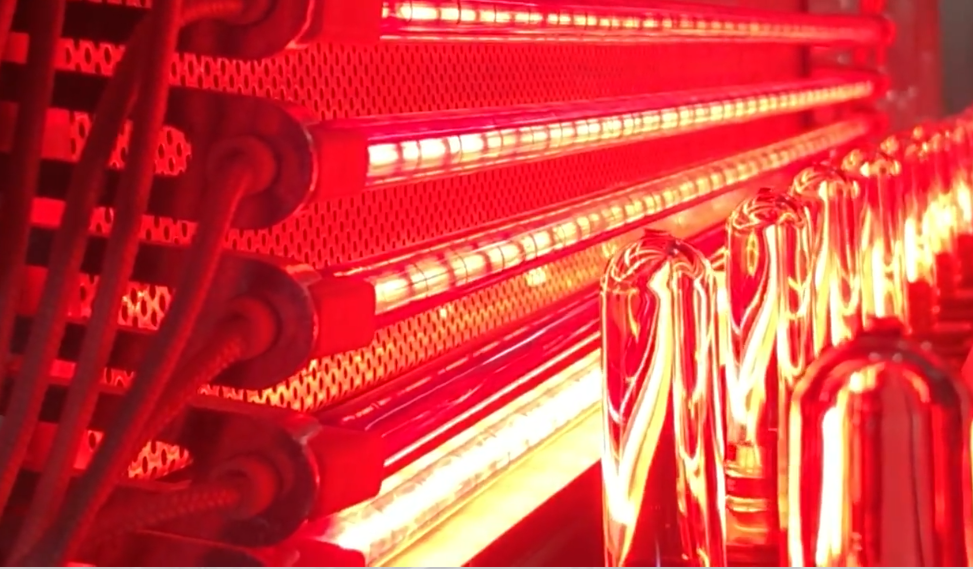
If you’re running a SIPA rotary machine, you’ve probably dealt with that nightmare where your wall thickness is all over the place and bottles start failing. It’s frustrating. Most people blame the oven controller first. But here’s the thing: usually, the controller is doing its job just fine. The real culprit? Those replacement lamps that claim to be the same as the originals, but aren’t. The problem with “close enough” When you mix lamps with slightly different wattages or voltages in one heating zone, you get cold spots. It sounds minor, but in a high-speed system, a tiny 5% difference in wattage is enough to trash a whole batch. We build our infrared lamps to be dead-on. No guessing. By keeping the tolerances tight, every single lamp puts out the exact same amount of heat. Your temperature profile stays flat, and your preforms actually heat up the way they’re supposed to. Built for the grind We use heavy-wall quartz glass because these things take a beating from rapid thermal cycling. They’re shortwave emitters, meaning the heat actually sinks deep into the PET rather than just scorching the surface. And don’t worry about the installation. Whether you have an older machine or a newer one, we use standard R7s or Sk15 connectors. They just slide right in. You won’t have to mess with your wiring or hack away at your lamp holders just to get the lights on. A quick word of advice High heat density is great, but it puts a lot of pressure on your reflectors. If your reflectors are pitted or oxidized, that heat isn’t bouncing back into the preform. Instead, you’re just wasting electricity heating up the oven walls. It’s a waste of money. Do yourself a favor: every time you swap out a burnt-out tube, take a second to check the condition of your reflectors. When your voltage and wattage actually match your SIPA specs, the stress disappears. The process stabilizes. And your scrap pile gets a whole lot smaller.