Why Your Smart Woodshop Needs Infrared
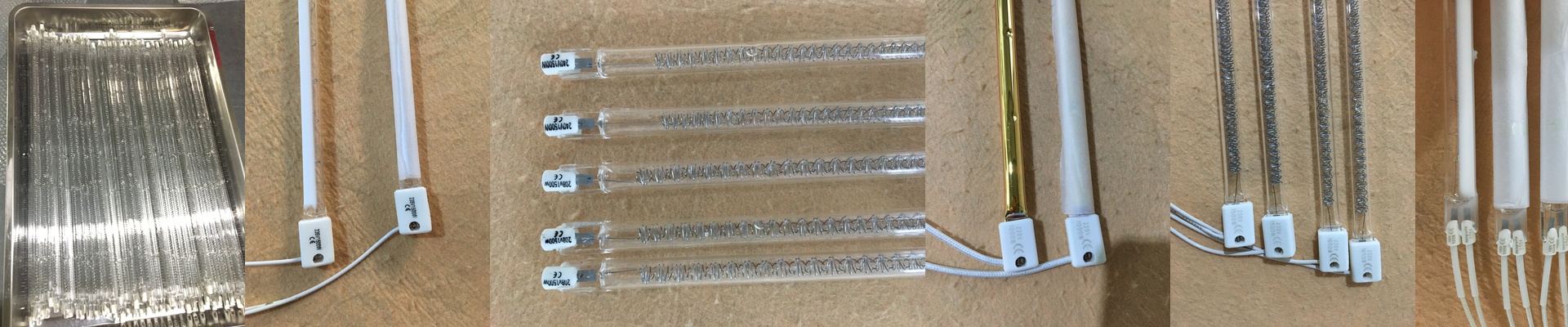
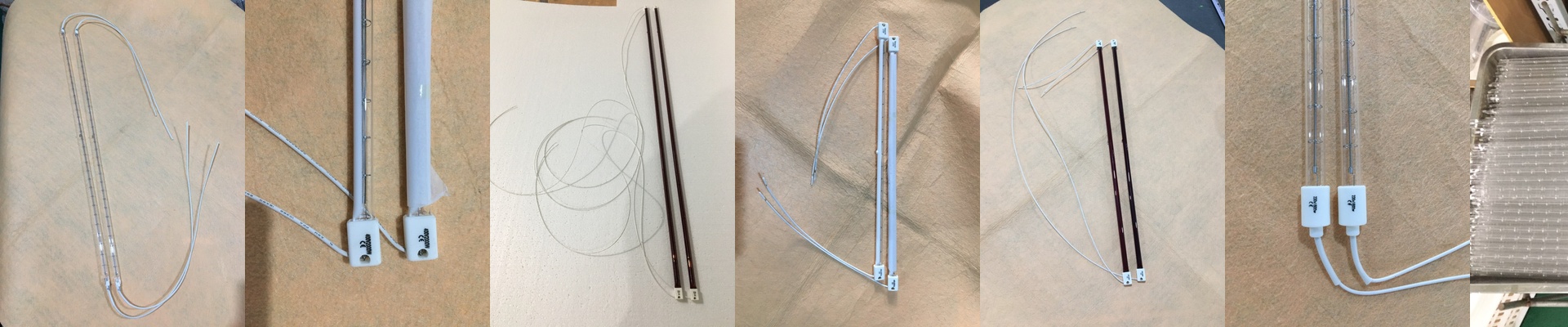
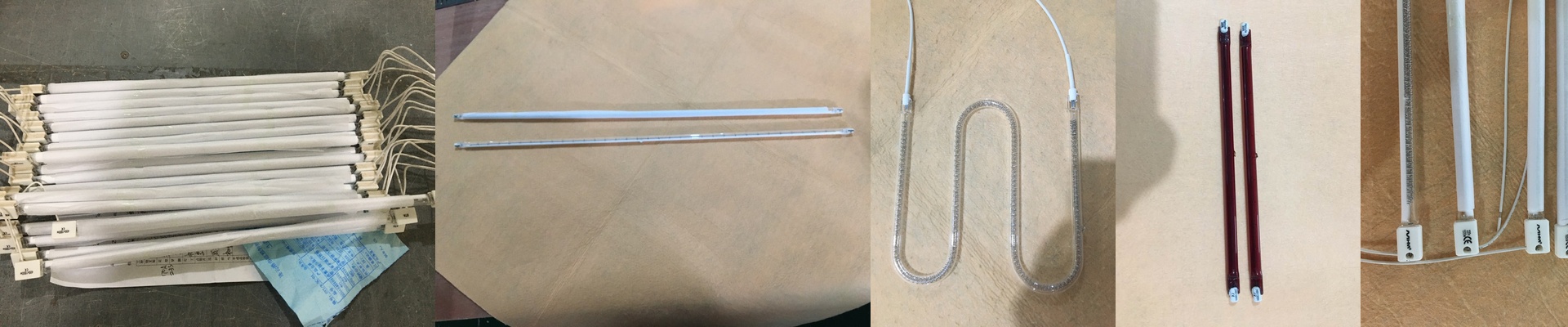
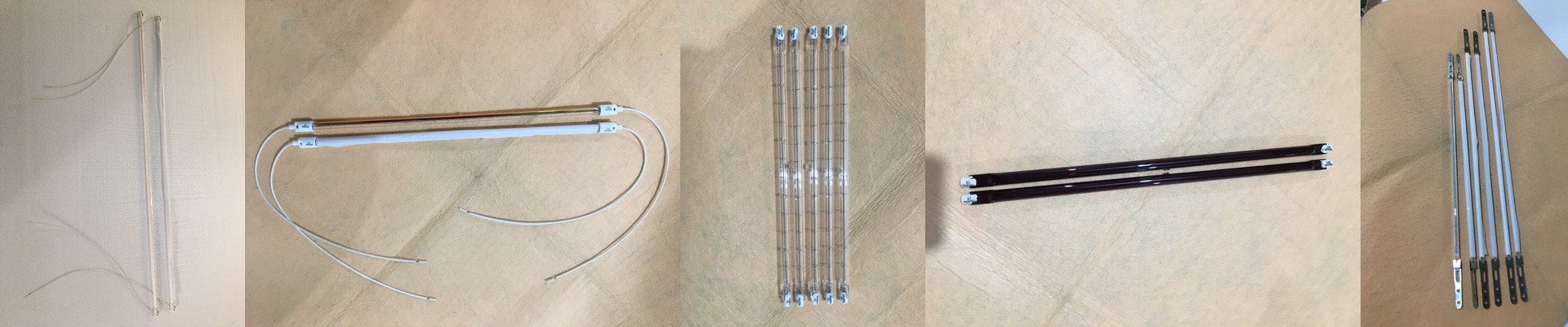
If you’re building a modern, automated wood factory, you’ve probably realized that old-school convection heating just doesn’t cut it. Those massive ovens that take forever to warm up? They’re a bottleneck. When your production line is moving fast, you can’t afford to sit around waiting for the air to get hot. That’s where infrared (IR) comes in. It’s basically instant.
The magic of “on-demand” heat
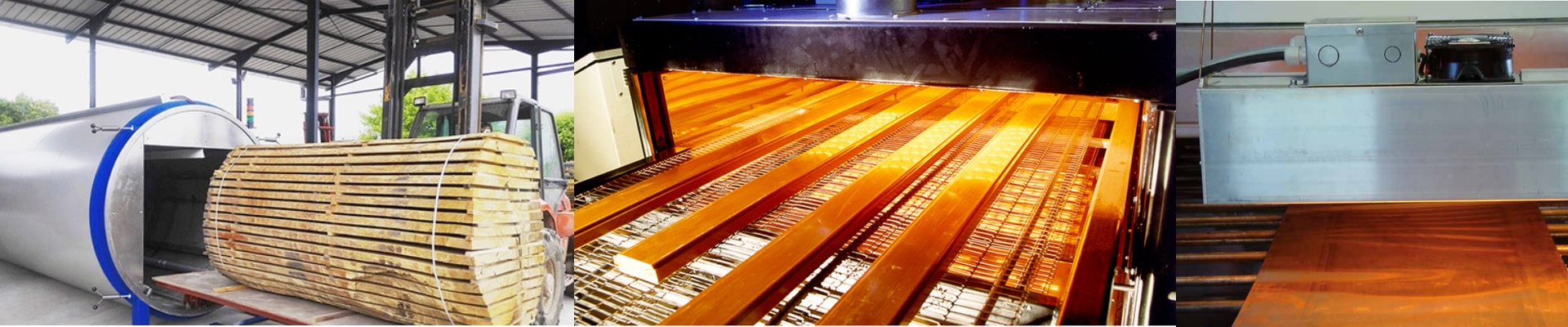
Here is the thing about automation: it’s all about the clock. Old heaters waste a ton of energy just warming up the air around the wood. IR is different. It shoots electromagnetic radiation straight into the surface of the board. It’s a huge win for things like curing glue or drying out moisture. You can flip the switch the exact millisecond the wood hits the zone, and kill the power the moment it leaves. No wasted heat. No waiting. Just fast, efficient work.
Getting the control right
When you plug IR into a smart system, you get to play with “zoning.” Instead of one big blast of heat, you can set up different zones across a wide board. This is a lifesaver. It means you won’t accidentally scorch the edges of your piece while the middle is still damp. But a heads-up on the electrical side: these lamps pull a lot of power, very quickly. If your electrical panels aren’t up to the task, you’re going to be tripping breakers all day. Make sure your grid can handle those sudden spikes before you flip the switch.
The catch: Heat goes everywhere
High-output IR is great for getting more product out the door, but it creates a lot of intensity in a small space. The problem? All that heat doesn’t just stay in the wood. It leaks into your machine’s frame. If you don’t have a solid plan for ventilation or some good heat shielding, your sensors and actuators are going to bake. And when electronics get too hot, they fail. Basically, if you’re cranking up the heat for your wood, make sure you’re keeping your machines cool. It’s the only way to keep the whole line running smooth.