Getting Your Sidel Combi SF300 and Matrix Lamps Right
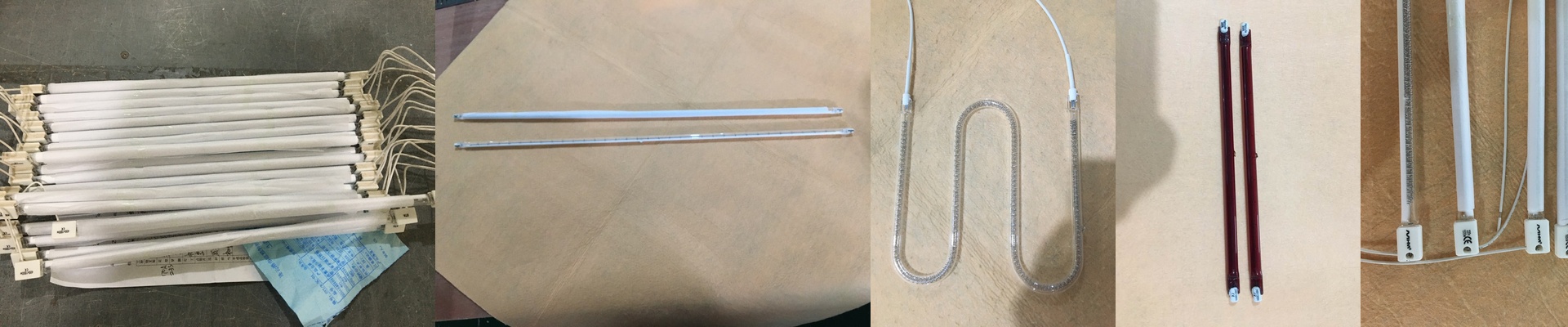
Keeping your PET blowing consistent is a headache, especially when you’re dealing with different machine generations. You need the heat to be exactly right—not too hot, not too cold. That’s why we built our lamp series to be a direct swap for the Sidel Combi SF300 and the Matrix line. They fit the original footprint perfectly. No modifications, no drilling, no fuss.
The nitty-gritty on power
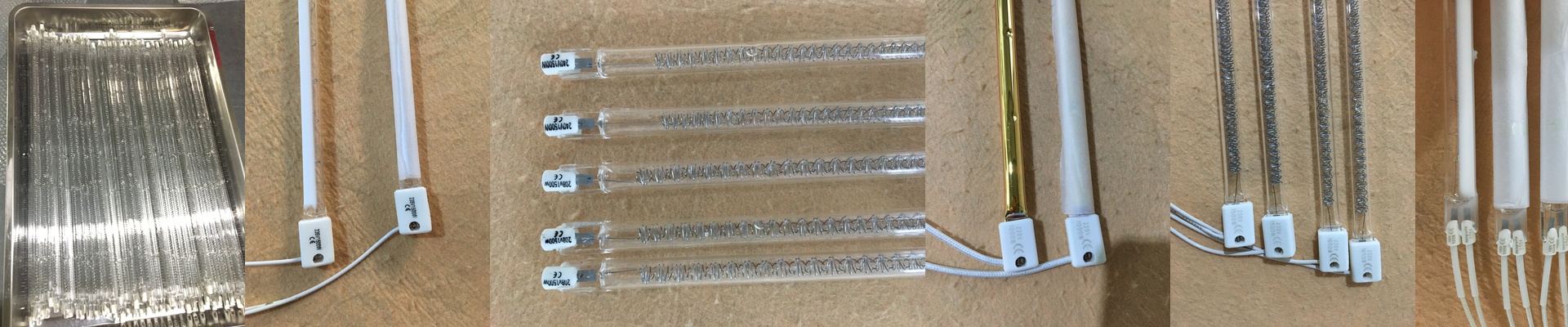
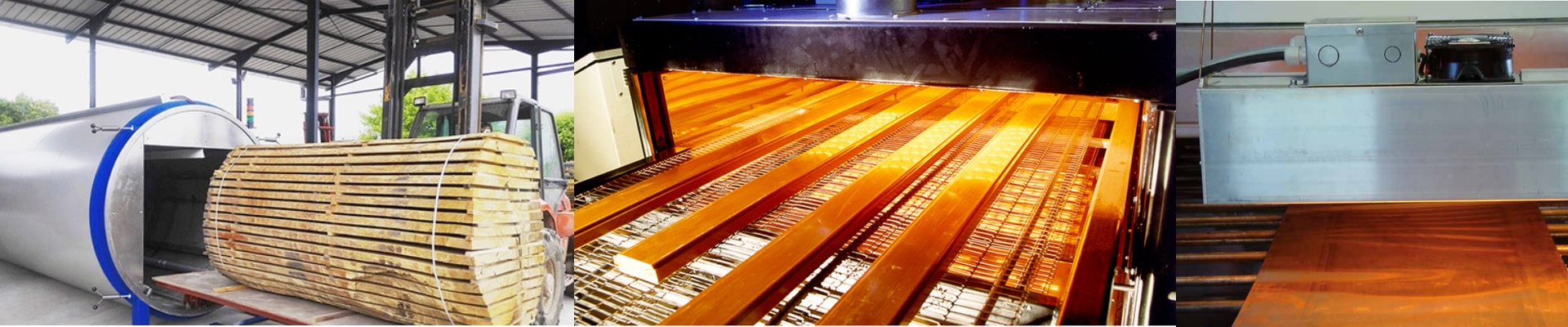
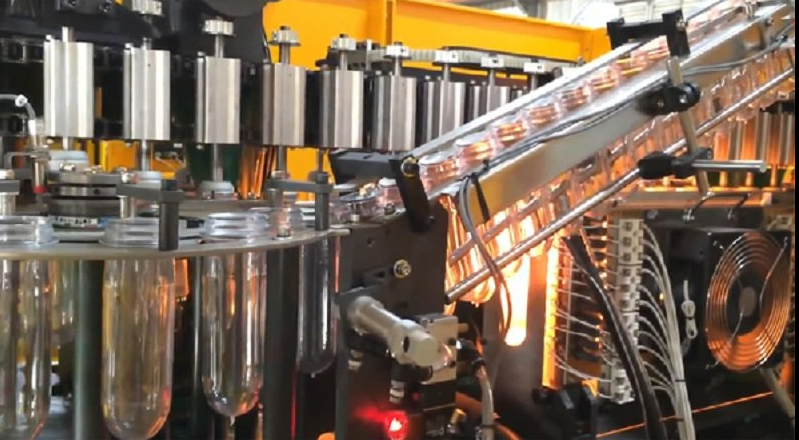
These lamps run on high-voltage circuits because you need a lot of punch to preheat those preforms quickly. Here’s the thing: we matched the ohms and wattage exactly to what the SF300 asks for. Why? Because mixing and matching brands in a lamp bank usually leads to current imbalances. And that’s how you get lamps burning out way before their time. We focused the power density so the PET hits that glass transition temperature without scorching the outer walls. Just a heads-up—keep your oven ventilation clear. These tubes put out a lot of heat, and if the airflow is blocked, you’re going to trip your thermal sensors.
Better glass, better fit
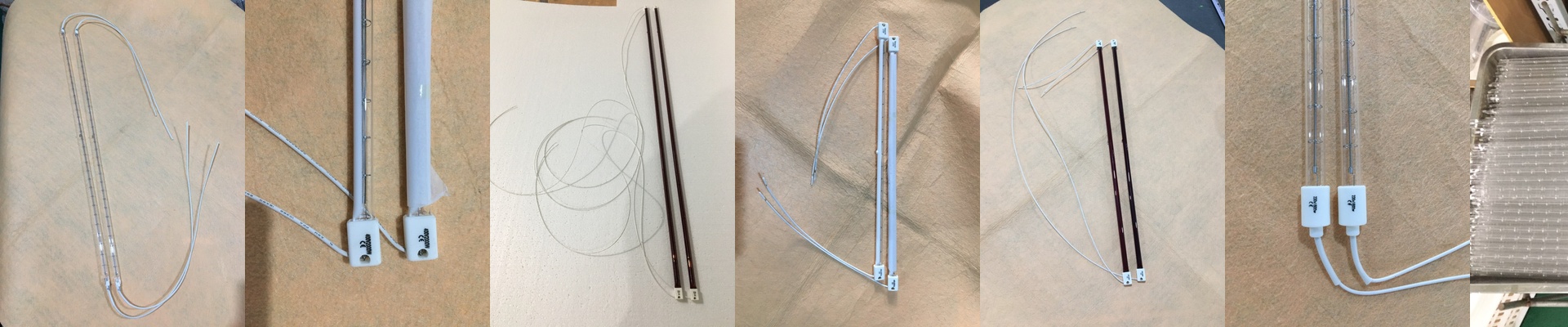
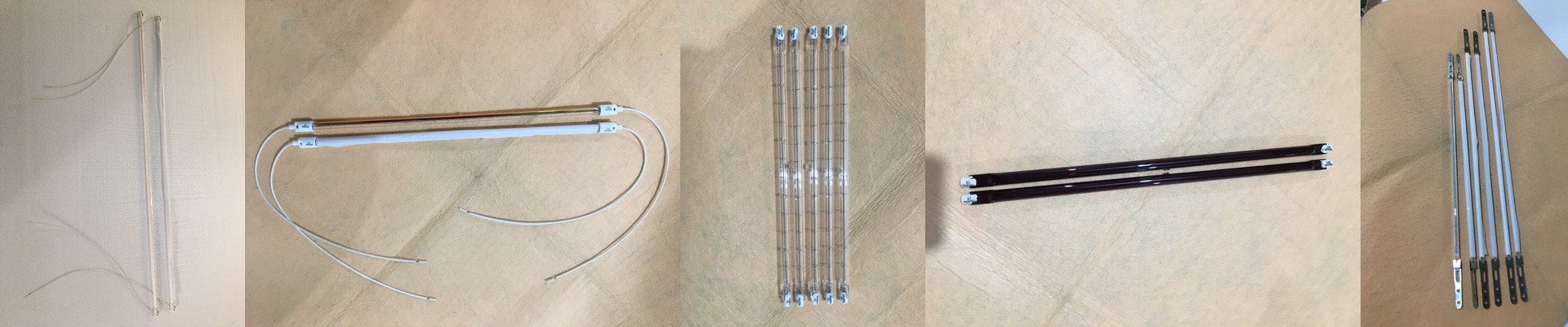
We went with heavy-wall quartz glass. Industrial blowing is brutal on equipment, and these need to handle the constant heating and cooling without cracking. Depending on your Sidel’s model year, you’ll get R7s or SK15 connectors. They click right into the socket. No loose fits, no arcing, just a solid connection. We also added a special coating to the quartz. It shifts the infrared spectrum so the plastic actually absorbs the energy. Instead of wasting heat on the oven walls, the energy goes exactly where it needs to: into the PET.
SBO to Matrix: No more adapters
If you’re moving from the classic SBO setups to the Matrix series, you know the heating zones are totally different. It can be a mess. We spent the time mapping out the dimensions and electrical loads for both platforms. The result? A range that just works. You can slide these into your existing racks without touching the wiring or messing with the brackets. It saves you from hunting for custom adapters during a maintenance window when you’re already under pressure to get the line running again.