Stop Fighting Heat Spots in Your SIPA Rotary Blow Molding
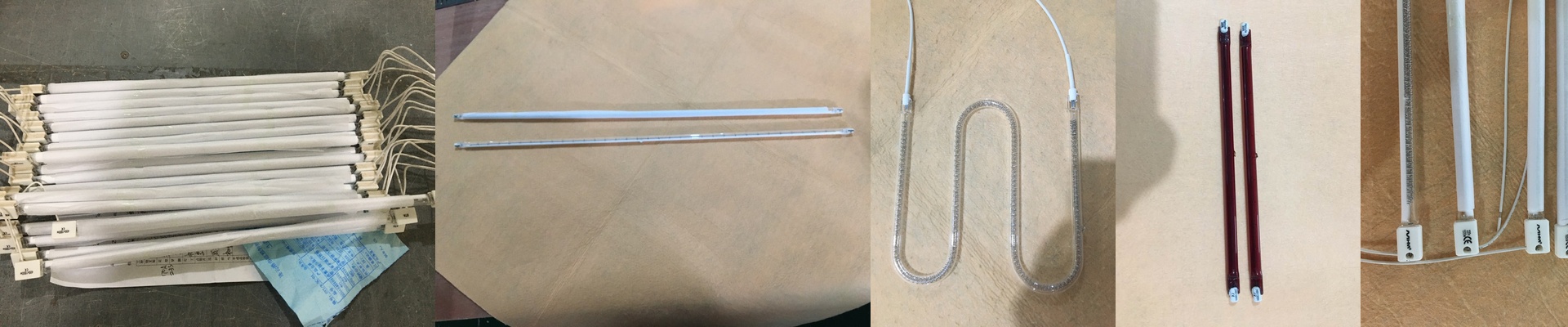
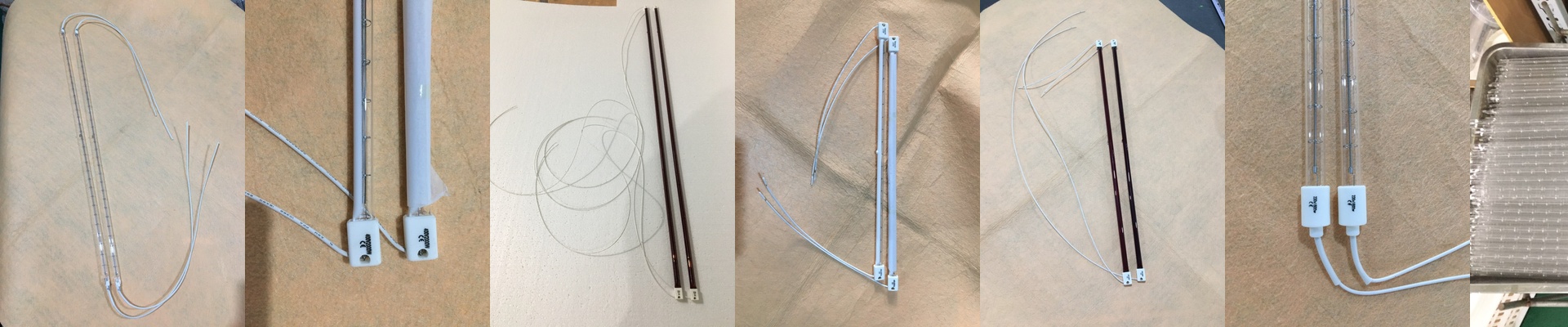
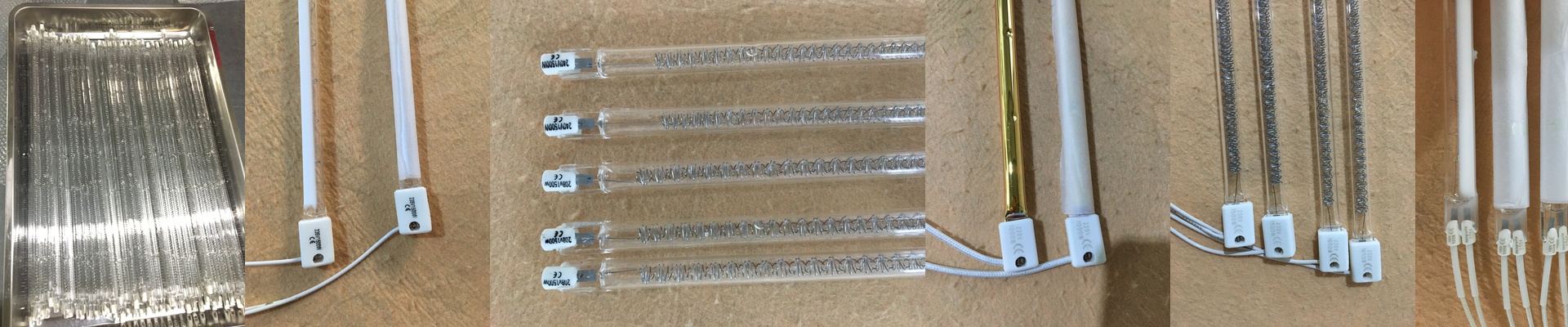
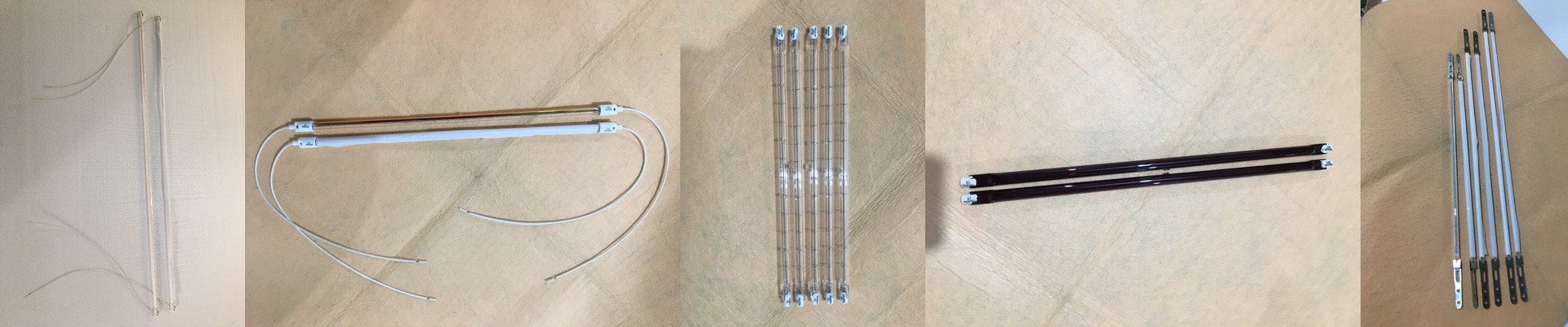
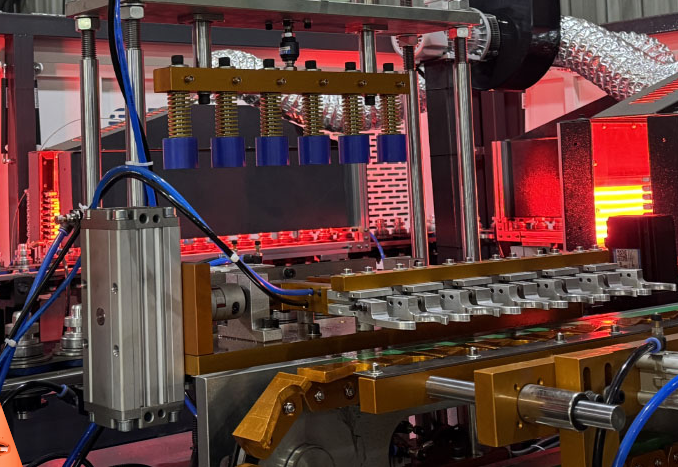
If you’ve ever run a SIPA rotary machine, you know the headache of uneven preform heating. One minute everything is fine, and the next, you’re staring at bottles with weird wall thickness or deformation. Usually, this happens the moment you swap out some lamps. You think you’ve got the right parts, but you start seeing “cold spots” or inconsistent blowing. The culprit? It’s almost always a mismatch in power density. The trap most people fall into Here is the thing: a lot of engineers just check the voltage and call it a day. But in a rotary oven, that’s not enough. You need a total power match. If your original specs call for a certain wattage over a specific length, and you put in a lamp with a different wattage—even if the voltage is identical—you’ve just shifted the heat flux. It throws everything off. That’s why we build our SIPA lamps to mirror the OEM wattage and dimensions exactly. It keeps the heat steady across the whole zone so you aren’t guessing. Making it actually fit We use shortwave quartz because it hits the PET material fast. No lagging. We also stick to R7s or SK15 connectors to make sure the fit is tight. We’re obsessive about this because a loose socket is a nightmare—it leads to arcing, and then your brand-new lamp burns out way too soon. The best part? These are just drop-in replacements. You don’t have to mess with your controllers or dive into the PLC settings. You just slide them in, wire them up, and the machine pulls the exact current it was built for. Simple. A quick heads-up on the trade-offs High-wattage IR lamps pack a punch. You need that heat for high-speed production, but it puts a lot of stress on your oven’s ventilation. If your cooling fans are clogged with dust or just dying, those high-output lamps will literally bake your reflectors. It kills the lamp’s lifespan. Keep your airflow clear. It’s the easiest way to stop your sockets from overheating and keep the line moving.