Let’s Talk About Poultry Heat Lamps: Brand Names vs. Reality
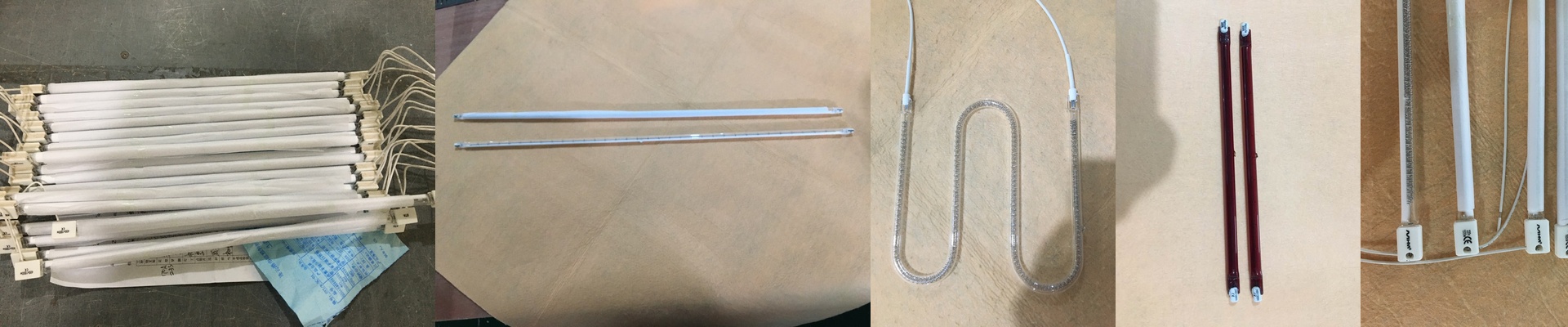
When you’re setting up heating for your poultry houses, you usually hit a crossroads. You can either drop a ton of money on those big-name brand lamps or gamble on a cheap generic version that might quit on you in a week. We took a different path. We build our infrared heaters to be “drop-in” replacements. That means they fit right into the fixtures you already have, but we focus on what actually matters: how much heat they put out and how long they actually last. The label on the box doesn’t keep the birds warm. The heat does.
Getting the Heat Right
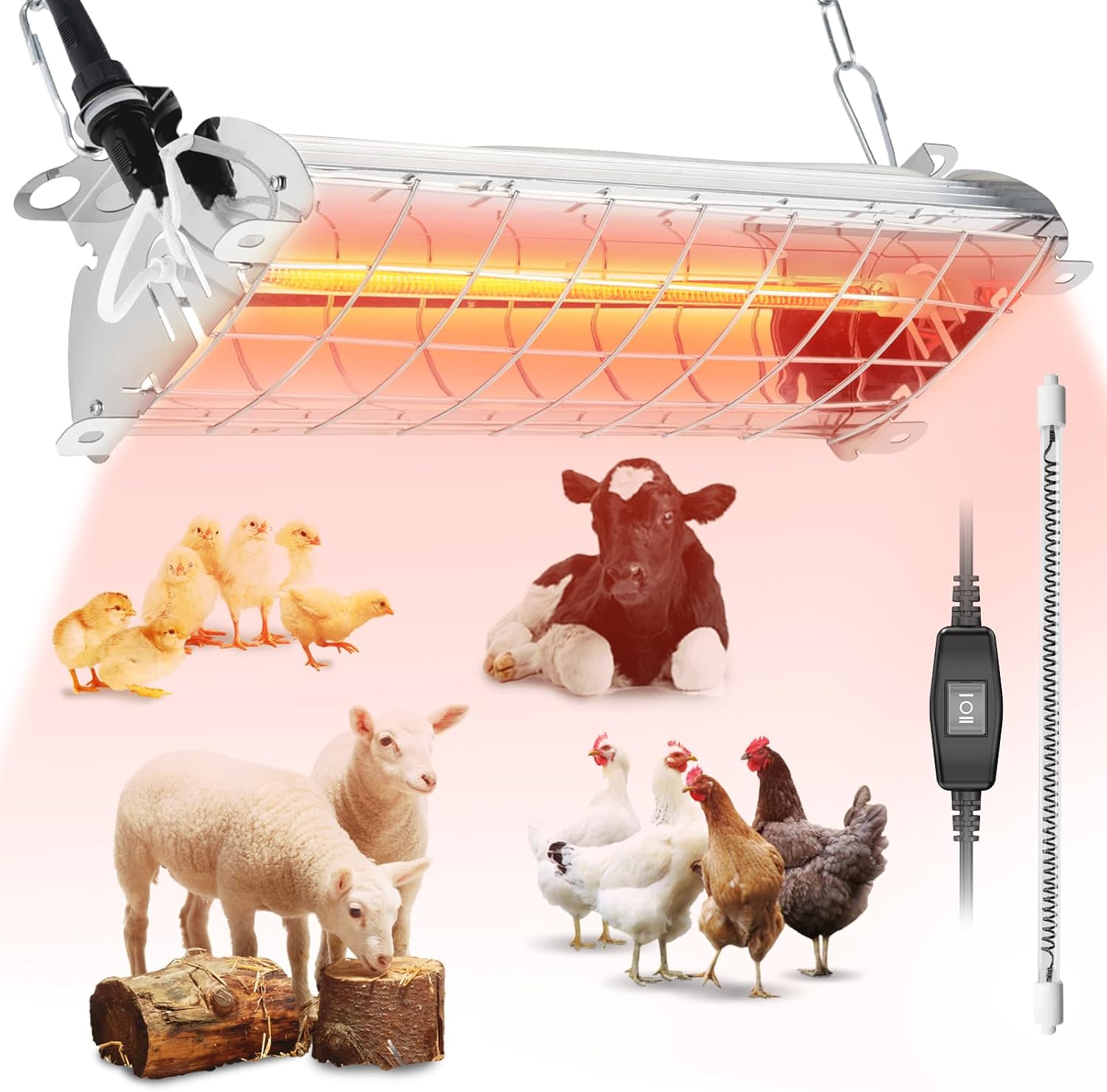
Our lamps use short-wave radiation. In plain English? The heat cuts right through the feathers to warm the bird’s body directly. We’ve dialed in the wattage and voltage to match the industry standards, but here is a pro tip: if you’re running a high-wattage setup, keep an eye on your wiring. If your runs are too long, you’ll get voltage drops, and your lamps won’t perform. Also, keep in mind that more power means a faster warm-up, but it also means the lamp gets seriously hot.**Double-check your reflector alignment.**You don’t want a “hot spot” accidentally scorching your birds.
What’s Under the Hood
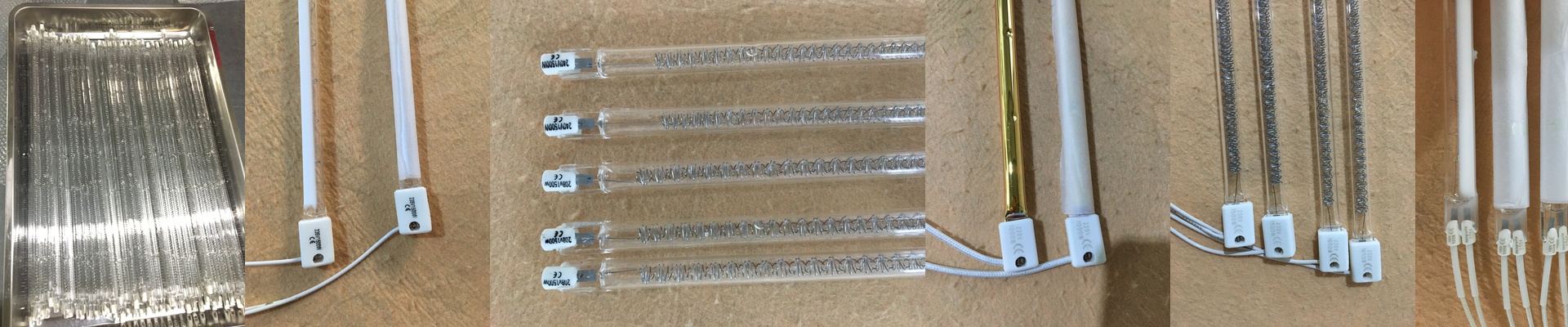
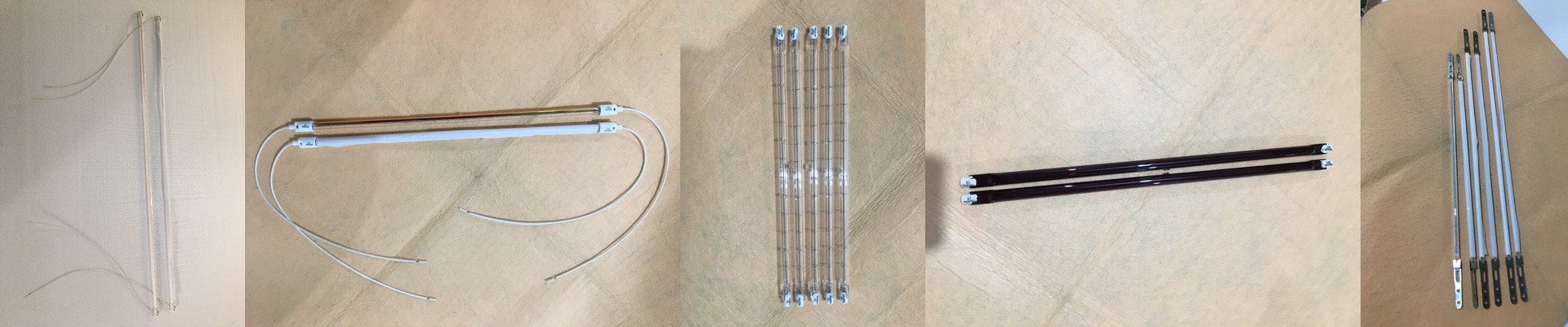
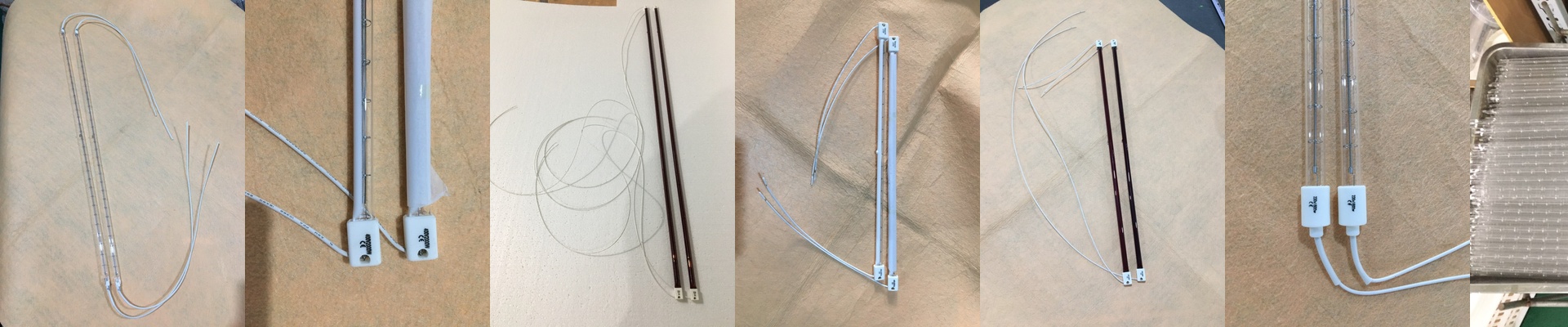
We use high-purity quartz glass for the tungsten filament. It’s a simple choice, but it’s the right one. It stops the filament from oxidizing, which is the main reason lamps burn out early. For the connectors, we stick with R7s or SK15. Why? Because when a lamp dies at 2 AM, you want to swap it out in seconds. You shouldn’t have to rewire your entire rig just to get the heat back on. Some of our tubes even have a special coating. It shifts the light away from the visible spectrum and more into the infrared. It keeps the house darker, which keeps the livestock calm and less stressed.
The Honest Truth About Lifespans
Look, no lamp lasts forever. Even though our quartz tubes hold their own against the premium brands, your power stability is what really determines the lifespan. If you’re using cheap thermostats that snap the power on and off rapidly, you’re basically hammering the filament until it snaps. If you want them to last, use a steady PID controller. And one last thing: don’t redline your equipment. If you run these lamps at 100% capacity all the time, they’ll wear out faster. Run them at about 80%, and you’ll get a lot more life out of them.