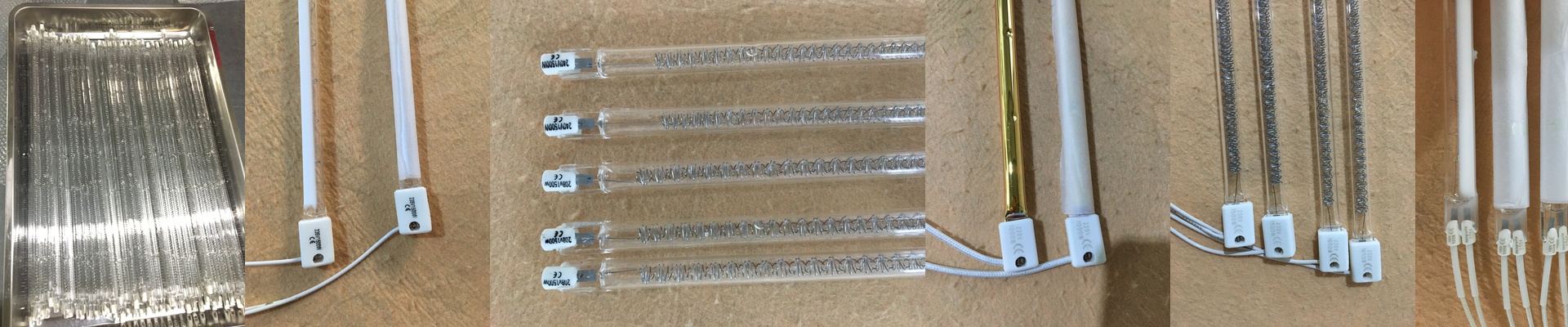
Let’s Talk About Ruby Quartz Halogen Tubes
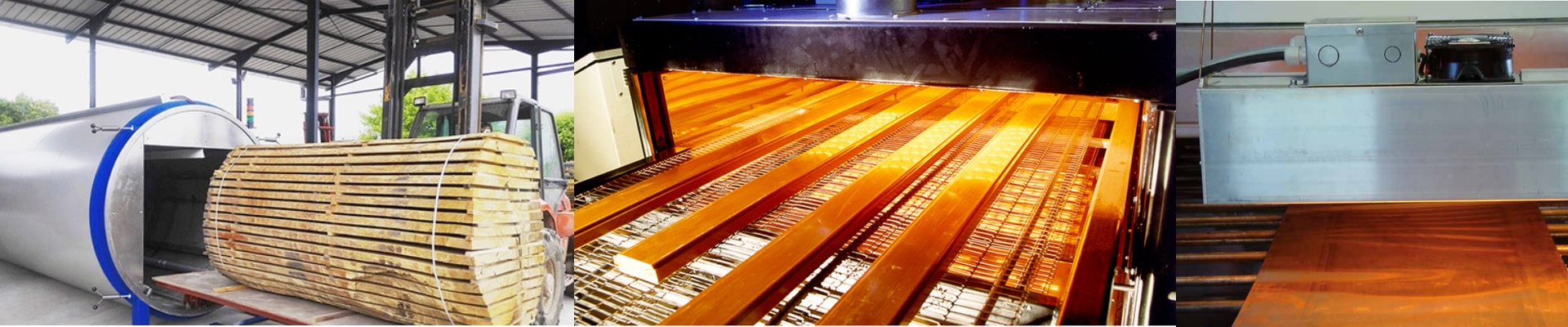
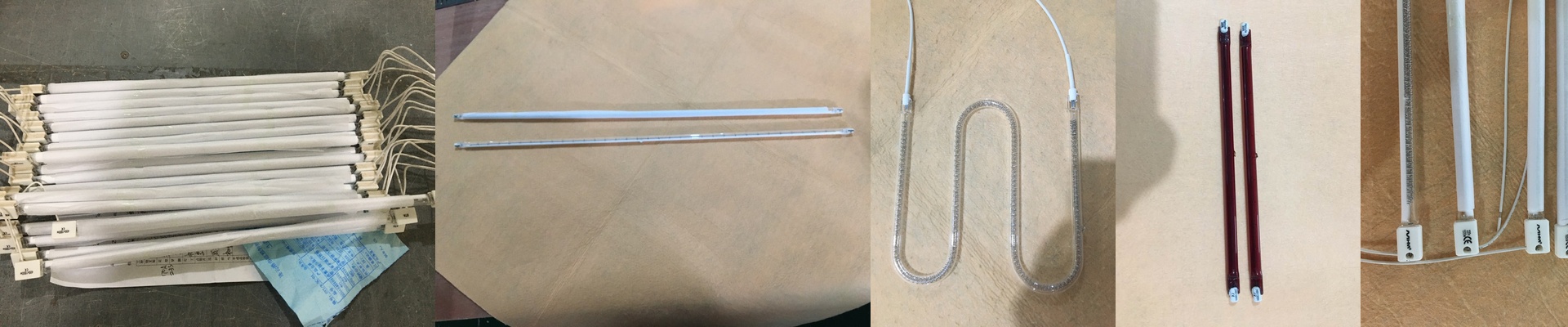
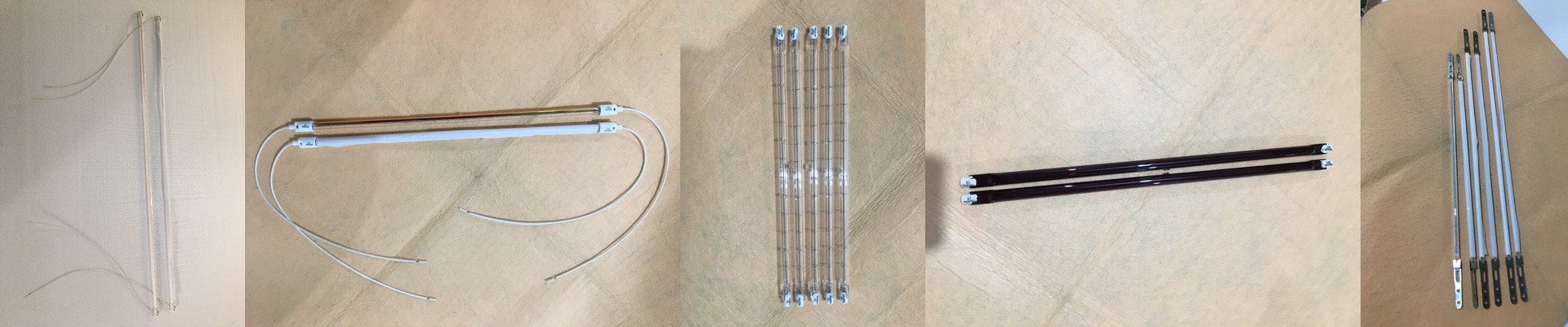
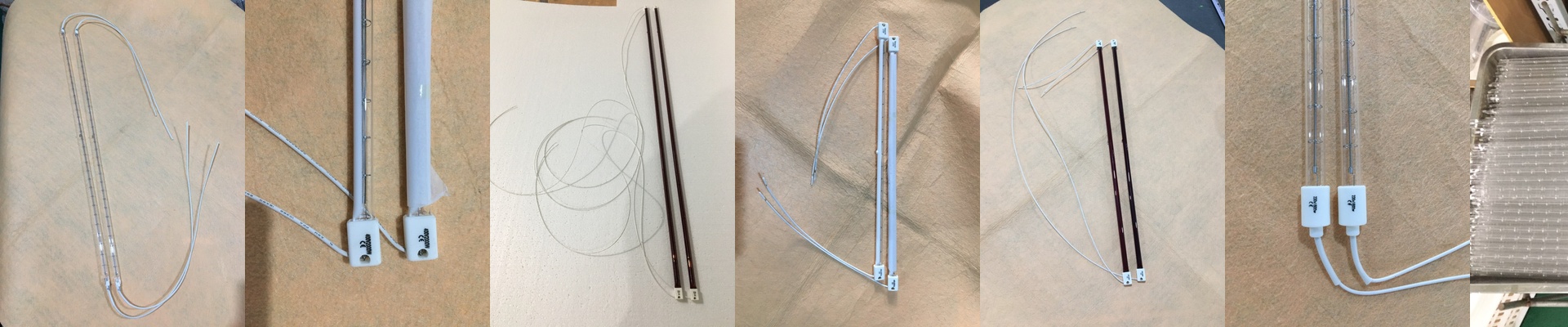
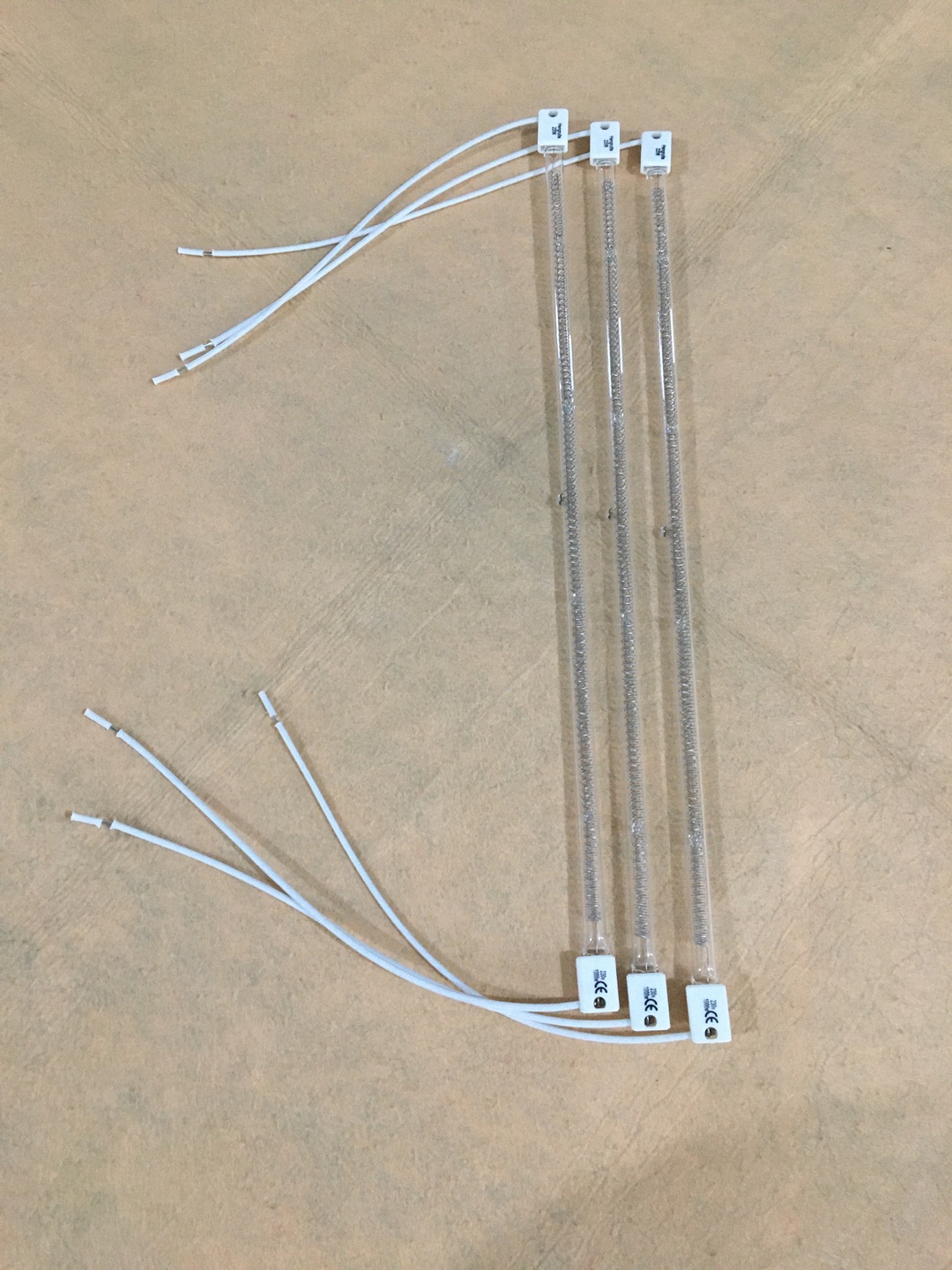
If you’re dealing with high-intensity thermal processing, you’ve probably come across our ruby infrared quartz halogen tubes. On the surface, they look like a tungsten filament in a quartz tube with some halogen gas inside. But the “ruby” part is where the magic happens. We add a specific coating to the quartz that filters the light. Instead of a blast of raw energy, it shifts the heat toward longer wavelengths. This is huge because it means the heat actually sinks into the polymers or coatings you’re working with, rather than just bouncing off the surface. Getting the heat right Here is the thing about power density: it’s all about the ratio of wattage to length. If you need a concentrated “hot zone,” we crank up the wattage relative to how long the tube is. It’s like focusing a flashlight beam, but with heat. Just a heads-up: your power supply has to be spot on. If the voltage is off, you’re looking at two bad options. Either the tube burns out way too fast, or you just don’t get enough heat to get the job done. The build quality We stick with high-purity quartz for a reason. It can take a massive thermal shock without cracking under pressure. Plus, that halogen cycle keeps the tungsten from gunking up the inside of the glass, so your tubes stay clear for thousands of hours. When it comes to plugging them in, we usually go with R7s or Sk15 bases. They’re basically drop-in replacements for most industrial setups. They fit tight, which means you don’t have to worry about arcing at the terminals. Real-world use (and a warning) You’ll see these most often in curing lines or PET blowing machines. One of the best parts? That ruby coating cuts down the blinding glare. It’s much easier on the eyes for your operators, while the workpiece still gets all the heat it needs. But wait—there’s a catch. These things put out a massive amount of heat in a tiny space. If your housing doesn’t breathe, you’re going to bake your wiring and kill the lamp’s lifespan. Just make sure your cooling can keep up with the heat you’re pumping out.