Quartz vs. Ceramic: Which one actually works for your chicks?
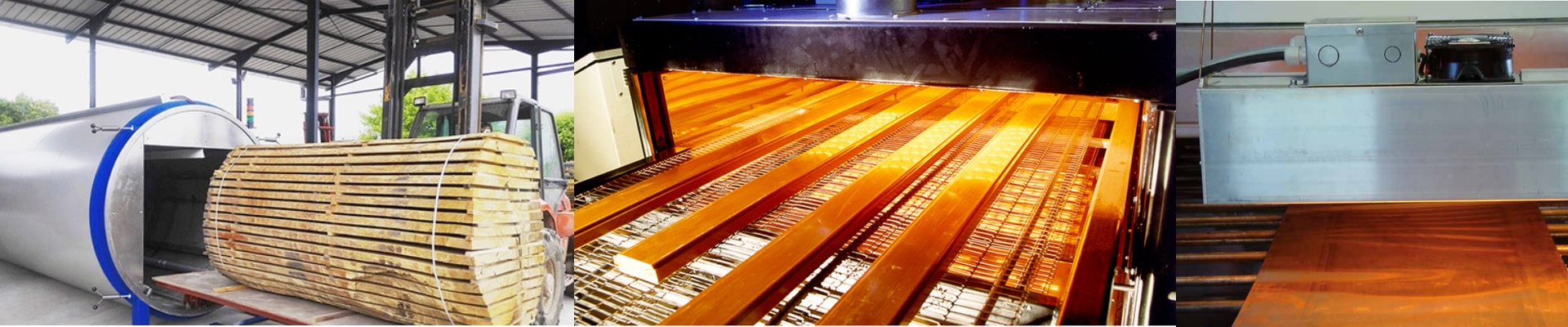
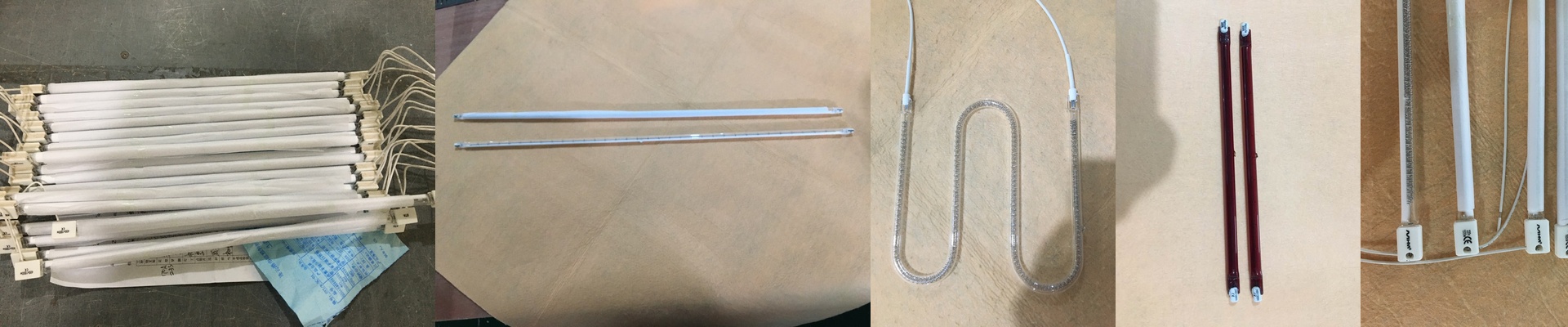
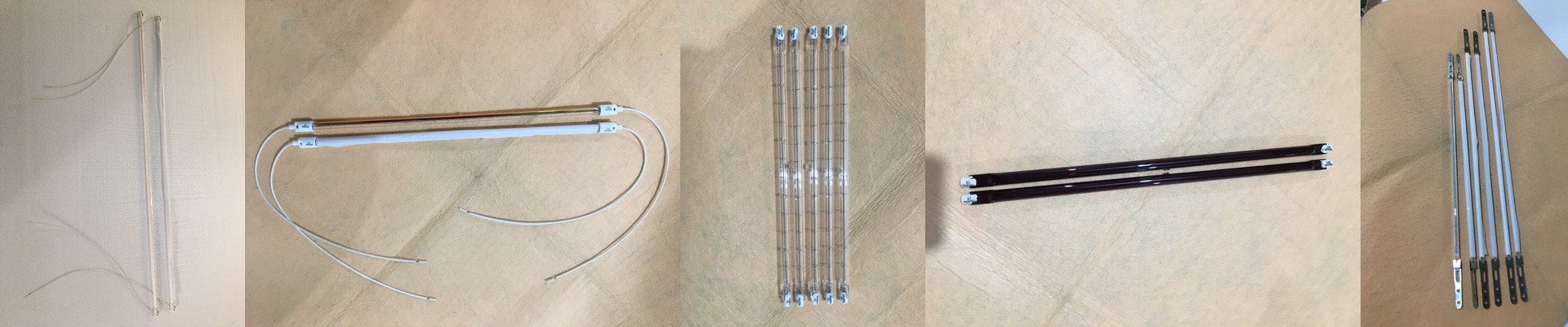
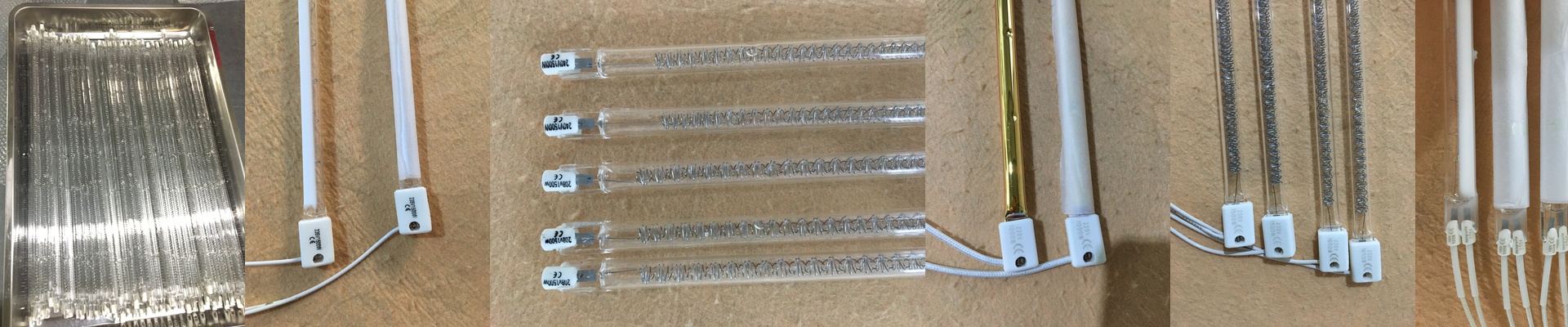
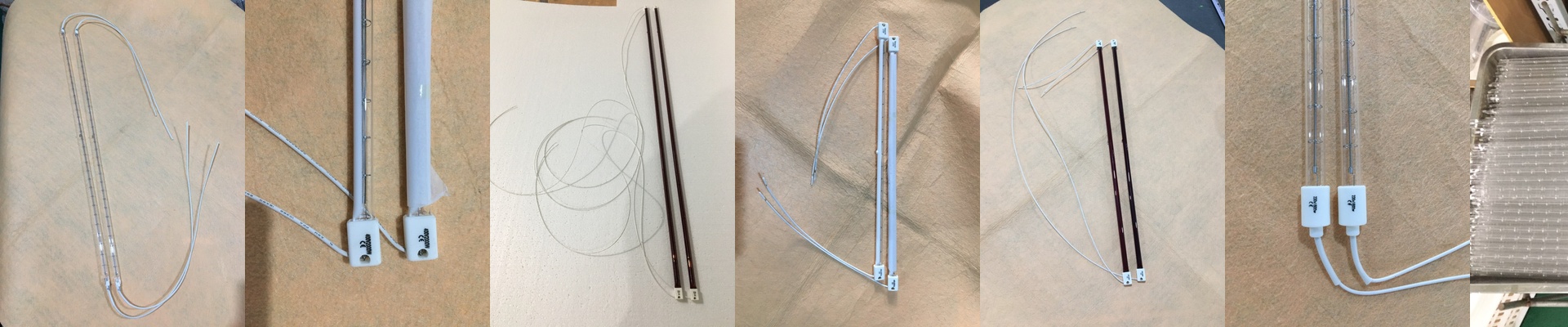
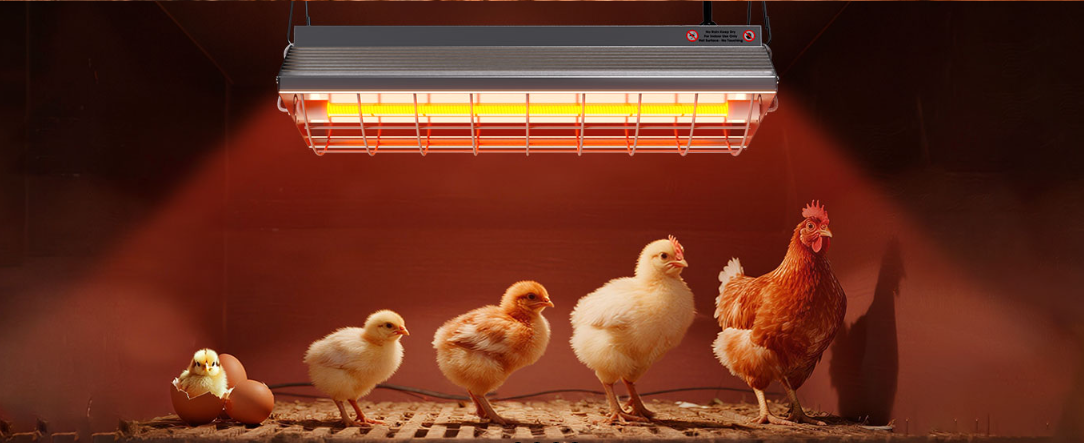
When you’re setting up a brood house, you’re usually staring at two choices: ceramic plates or quartz infrared lamps. Most people go with ceramic because it’s what they know. But there’s a big difference in how they actually keep your birds warm. Ceramic heaters basically just warm up the air. Quartz lamps are a different beast. They send out short-wave radiation that goes straight into the chick’s body. You aren’t wasting time trying to heat the whole room; you’re heating the birds. The heat hit Ceramic heaters take their sweet time. They have to soak up energy before you even feel the warmth. Quartz? It’s instant. We use high-purity quartz glass around a tungsten filament, which lets the lamp get incredibly hot without melting. It creates this intense “warm zone.” The chicks can huddle under it when they’re freezing or step away when they’ve had enough. It lets them regulate their own temperature, which means less stress and fewer losses. The rough stuff Here’s the thing about ceramic: it cracks. If the temperature swings too fast, those elements just snap. Quartz is built to handle those jumps. Plus, we’ve added a special coating to our lamps so the heat is absorbed by the birds, not the ceiling or the walls. It’s way more efficient. Now, a heads-up: quartz glass is fragile. One clumsy worker or a stray bird hitting the tube and it’s gone. You’ve got to keep these in protective cages. No exceptions. The money side of things If you’re cycling your heat on and off, ceramic lamps tend to burn out pretty quickly. Quartz systems are the marathon runners here—they keep a steady output for thousands of hours. Because the heat goes directly into the flock, you don’t have to run the system nearly as long to keep the birds at the right temperature. Your electric bill will thank you. Sure, you’ll pay a bit more for the fixtures upfront. But when you look at the lower power bills and the fact that you aren’t replacing bulbs every few weeks, it’s just the smarter way to go for a big operation.