Stop Your Quartz Lamps From Popping in High-Density Wood Drying
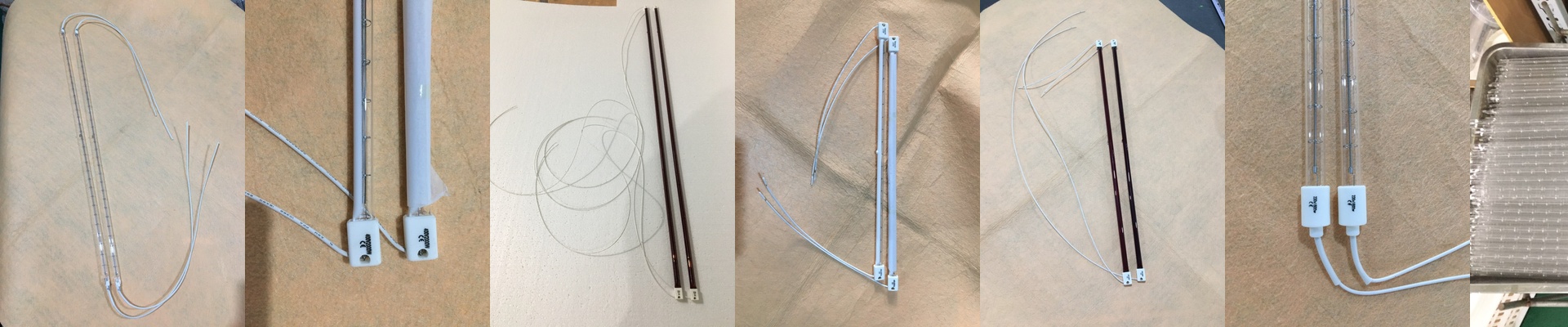
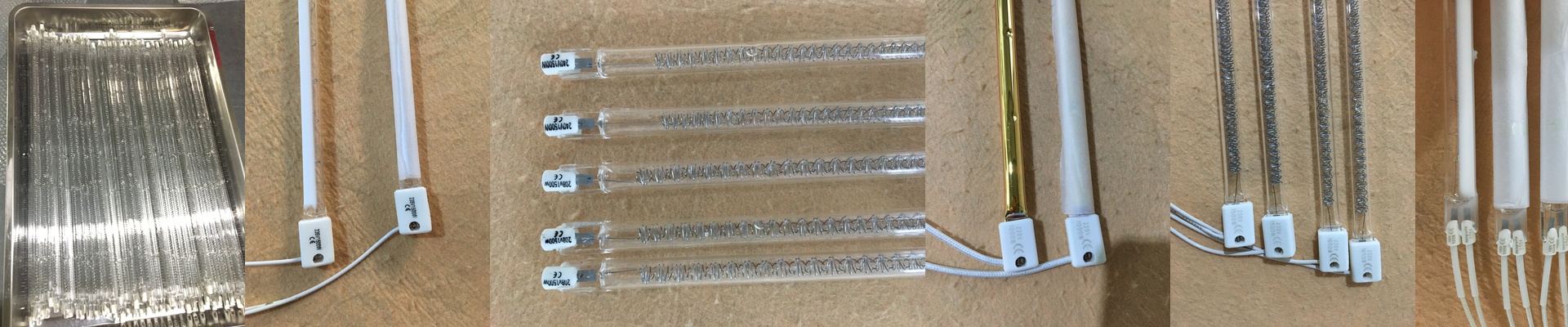
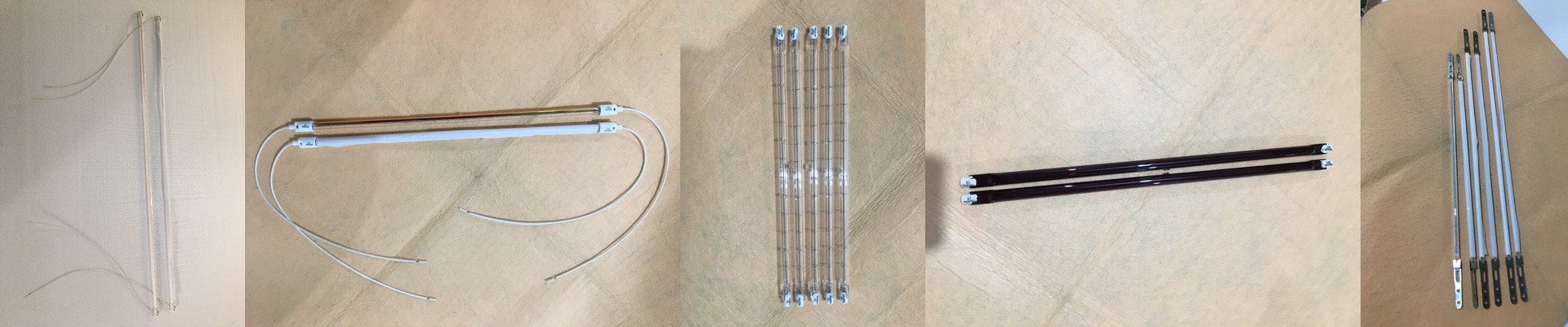
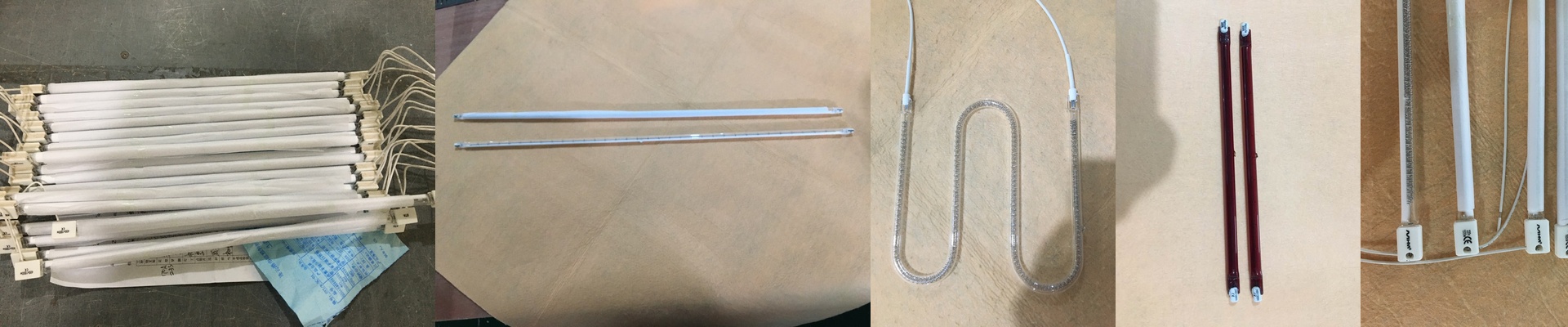
If you’re pushing quartz lamps to the limit to dry furniture, you know the nightmare: thermal shock. It happens in a heartbeat. The temperature across the tube gets too uneven, and snap—your lamp is toast. We build our infrared lamps specifically to take that kind of heat without blowing out the moment things get intense.
Dealing with the Heat
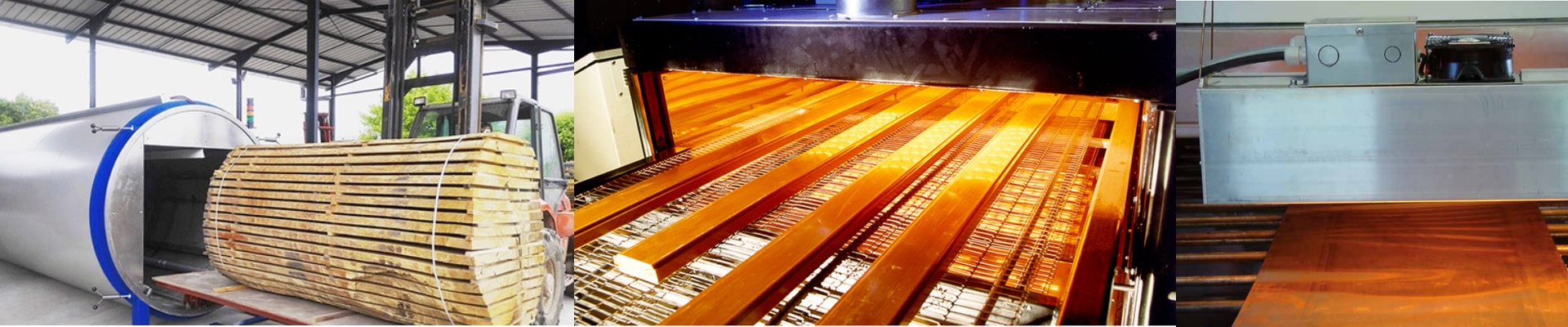
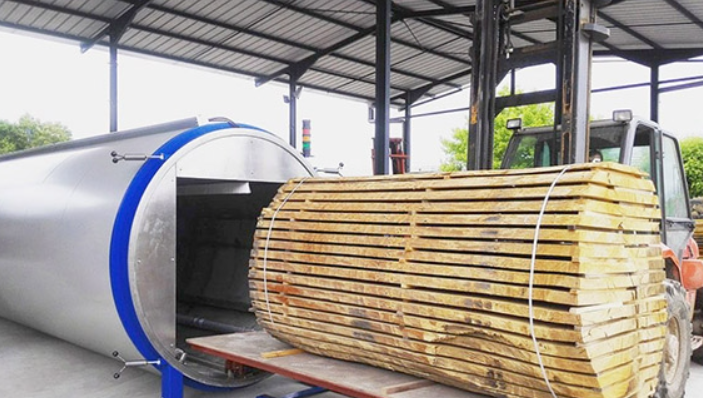
To get moisture out of the core of a thick piece of timber, you need IR waves that actually penetrate. That means cranking up the wattage. When you push the heat density that high, the filament is working overtime at some pretty extreme temperatures. That’s why we use high-purity fused quartz. It’s tough. It can take the beating of rapid heating and cooling cycles without giving up. But here’s the thing: you have to play it smart with your wood species. Hardwoods need a slower ramp-up. If you go too fast, you’ll scorch the surface while the center is still soaking wet. Not a great look.
Keep it Steady
A lamp is only as good as how it’s held in place. We use reinforced end-caps and connectors that fit just right so the tube doesn’t shift. Why does that matter? Because if a lamp sags or vibrates, you get hot spots. Those spots cause the quartz to expand unevenly, and that’s usually when it ruptures. Check your brackets. Make sure they’re tight. Quartz is strong, but it can’t absorb mechanical stress. If it moves, it breaks. Simple as that.
The Gritty Details
High-output lamps are beasts, but they’re picky about their environment. They need to be clean. If dust or resin builds up on the tube, it creates “cold spots.” This messes with the heat distribution and makes the tube way more likely to crack. You’ve got to stay on top of a cleaning schedule. And one last tip: if you’re running these at max capacity, double-check your cooling fans for the electrical terminals. If they aren’t spec’d right, your connectors will literally melt.