Why we obsess over HiPot and Insulation Testing
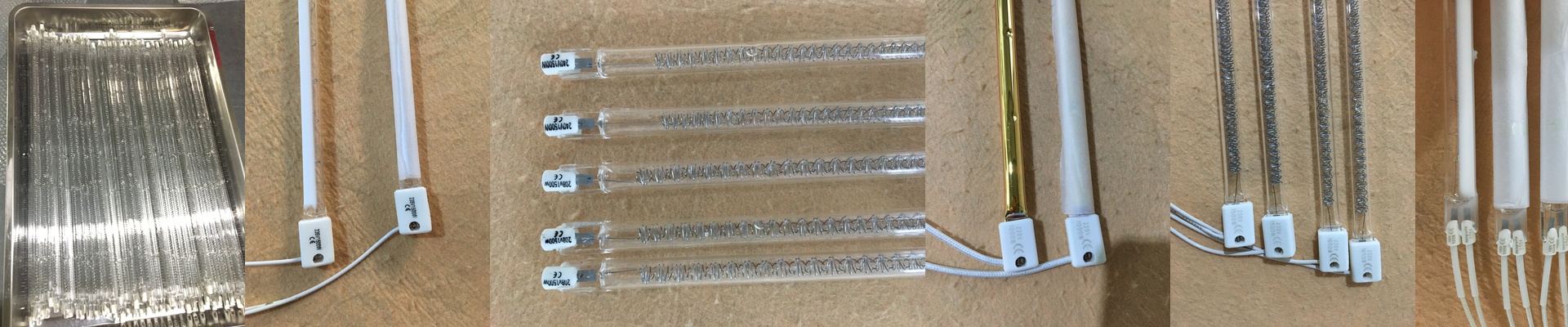
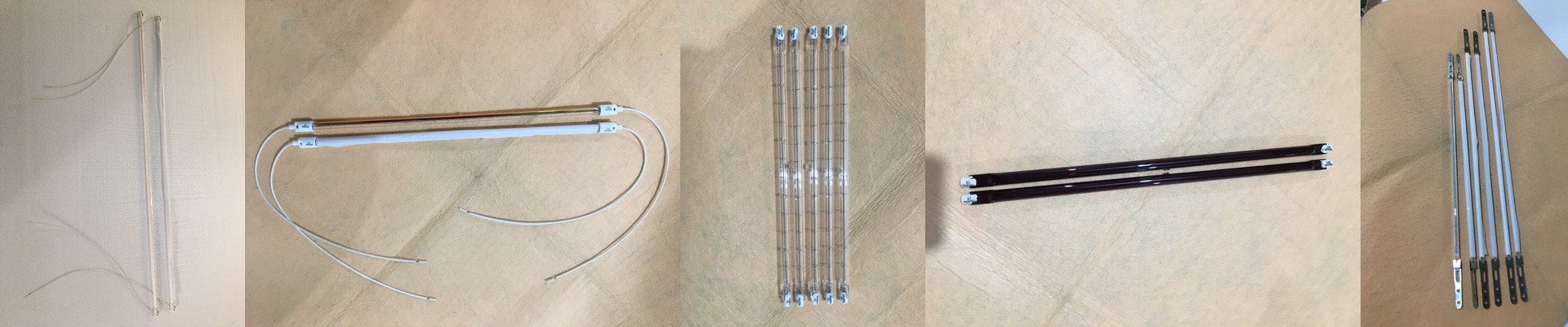
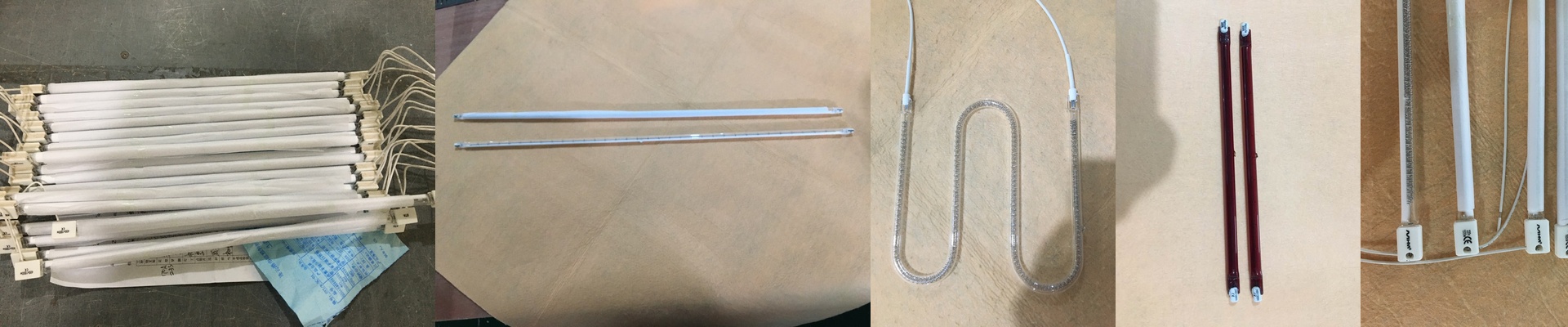
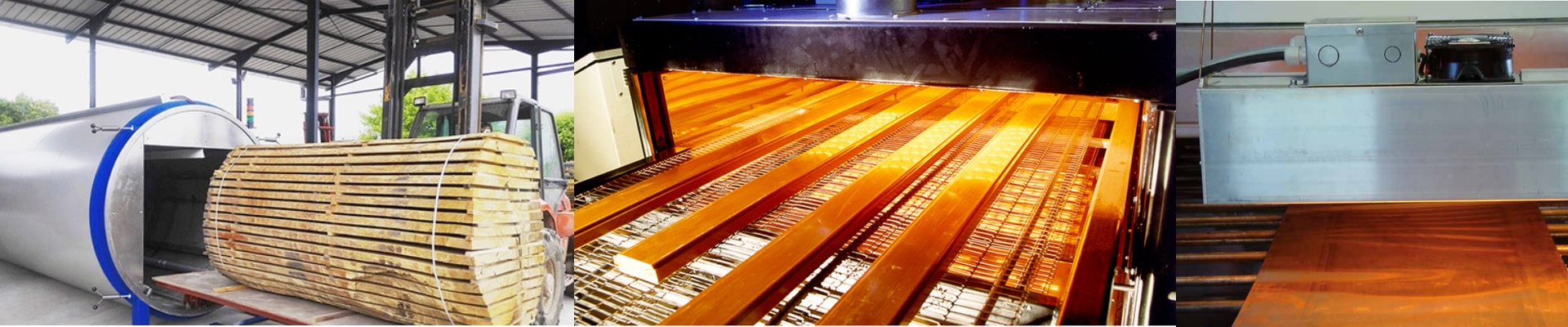
Before any lamp tube leaves our shop, it goes through a high-voltage (HiPot) and insulation resistance test. Every single one. No exceptions. If you’re running high-end woodworking gear, you know the environment is brutal. You’ve got intense heat, constant vibration, and—the real killer—conductive dust everywhere. In a shop full of sawdust, one tiny insulation leak isn’t just a technical glitch. It can trip your entire line or, worse, start a fire.
Pushing the limits
Here is how we do it: we push these tubes way past their normal operating voltage. We’re looking for “dielectric breakdown.” Basically, we’re trying to break the lamp. If there’s a microscopic crack in the quartz or a weak seal at the electrode, the current will arc. We find that breaking point here, in our lab, so it doesn’t happen in your machine. It means when a voltage spike hits, your lamp holds steady instead of blowing out or leaking electricity into the chassis.
The battle against leakage
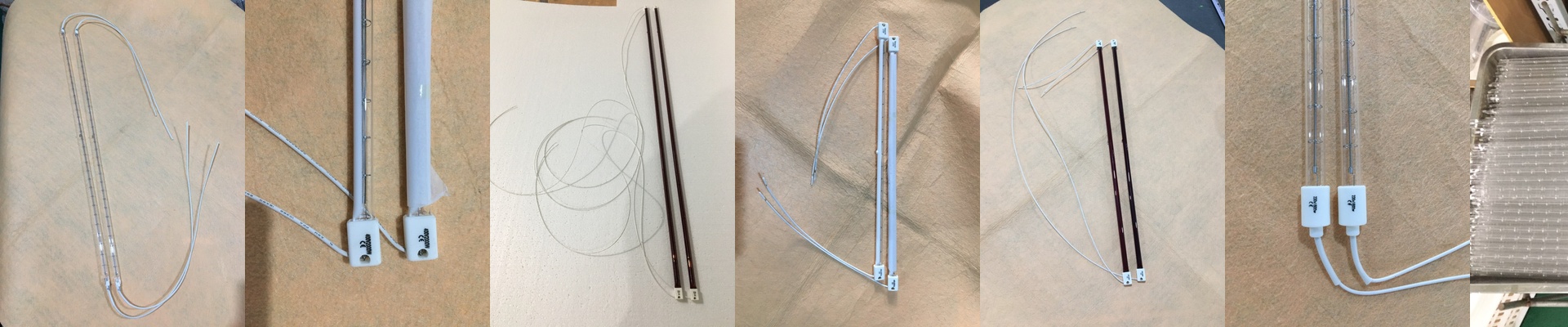
Then there’s insulation resistance. We measure the ohms between the live parts and the outer casing to make sure there’s no “leakage current.” Think about the fine dust that settles on a lamp housing in a woodshop. If the insulation is sketchy, those particles can act like a bridge, creating a path for a short circuit. We set our tests to make sure that barrier stays rock-solid, even when things get hot.
Real world talk
At the end of the day, strict testing means fewer headaches for you. Nobody wants a technician spending four hours tearing a machine apart just to find a ground fault in a lamp. But here’s the thing: we can make the toughest tube in the world, but it only works if the rest of the setup is right. If your wiring is frayed or your connectors are poorly crimped, the lamp’s integrity doesn’t matter. We provide the safety margin. You just make sure the install is clean.