Ditching the Coal Boiler for Infrared Heating
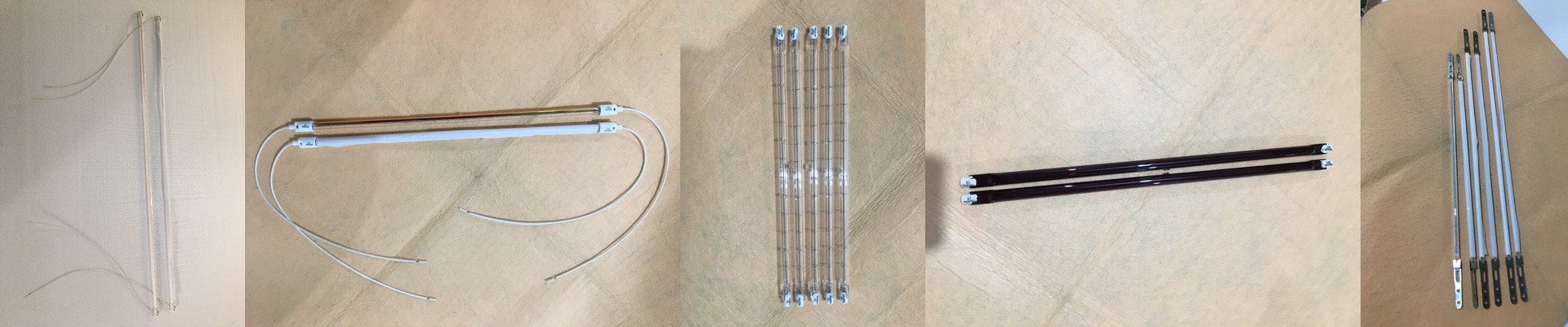
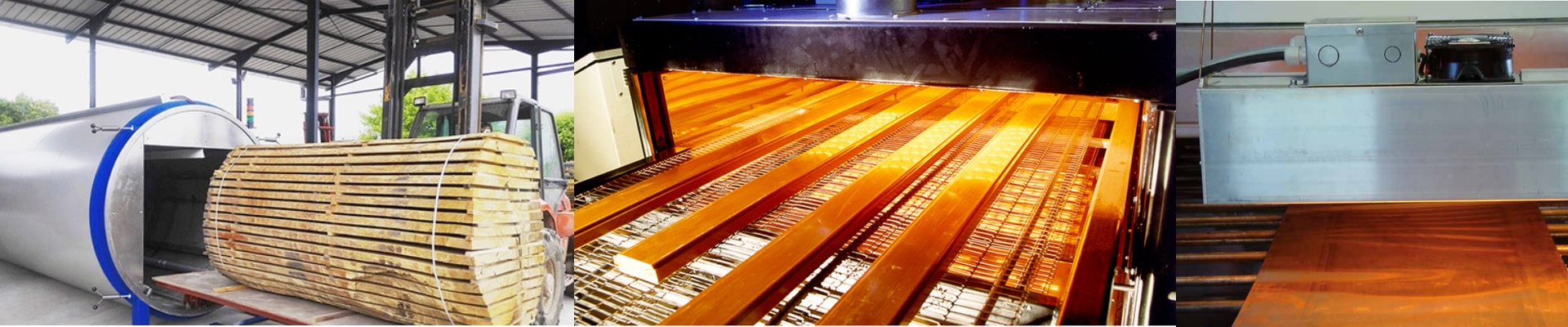
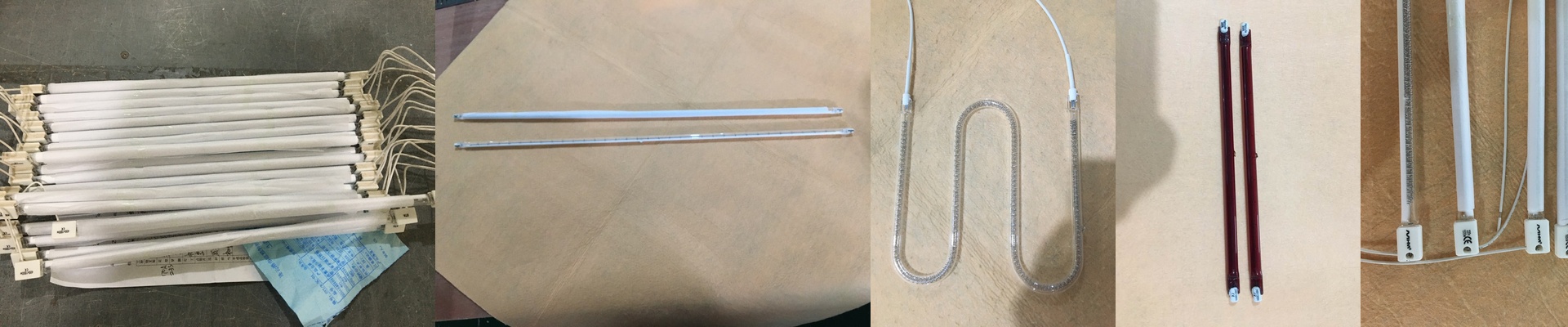
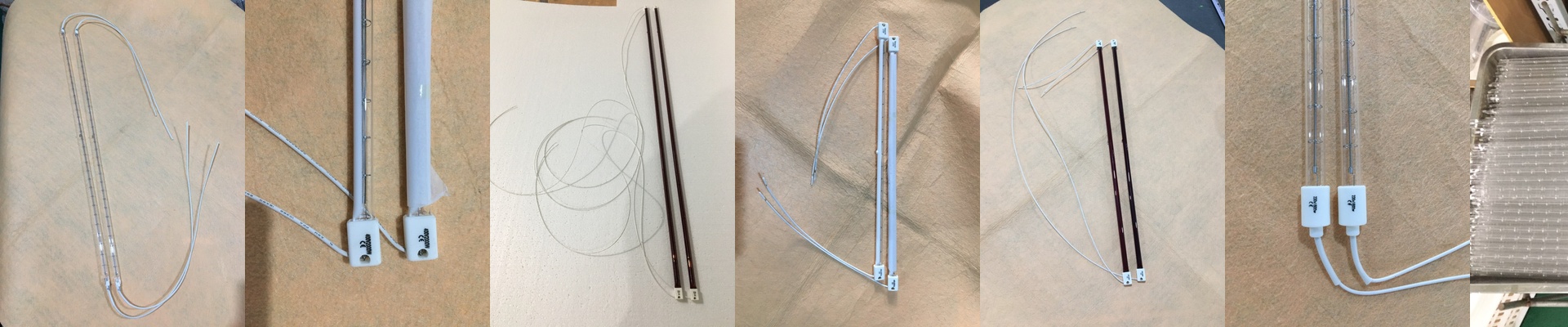
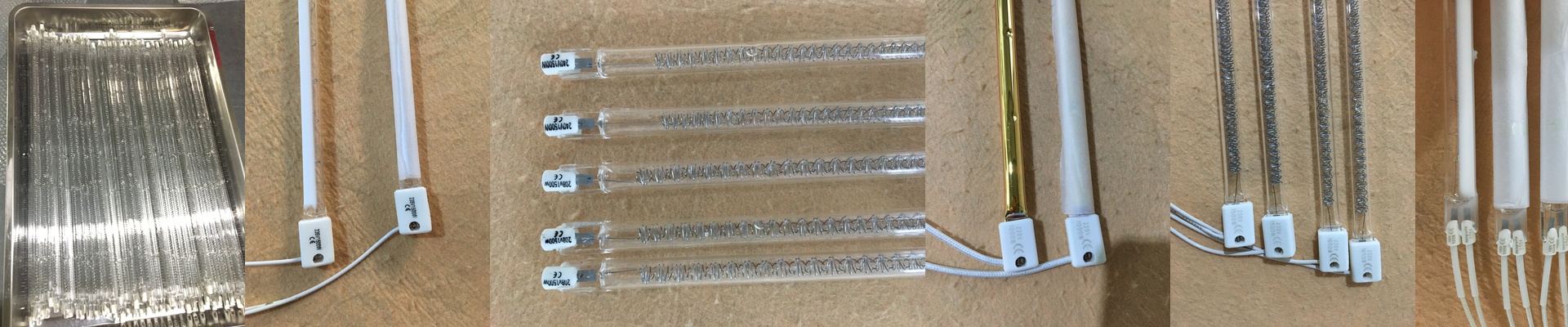
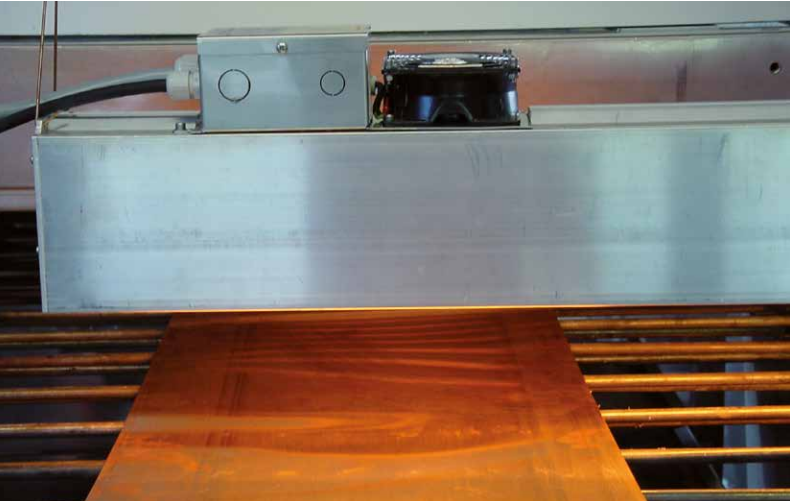
Let’s be honest: old-school furniture drying is a mess. You’ve got these massive coal boilers and a maze of hot-air pipes that leak heat everywhere and pump smoke into the sky. It’s clunky, it’s dirty, and it’s just not how things should be done anymore. That’s why so many shops are moving toward infrared (IR) lamps. It’s not just about hitting some “Green Factory” quota—it’s about actually making the shop work better. How it actually works Think about a boiler. It heats the air, and then the air heats the wood. It’s a middleman system, and you lose a ton of energy in the process. IR lamps are different. They use electromagnetic waves that hit the furniture surface and turn into heat instantly. You aren’t wasting money heating the entire factory floor just to dry a few table tops. The best part? You can rip out that giant, soot-covered boiler room and just put heating zones exactly where you need them on the line. The nitty-gritty Usually, we go with shortwave or medium-wave quartz lamps. They pack a lot of heat into a tiny space. And since you can control the zones independently, you have way more flexibility. If one part of the drying tunnel isn’t hitting the mark, you just crank up the voltage to those specific lamps. You don’t have to mess with the rest of the line to fix one problem area. A heads-up on power Now, here’s the catch. While you’re getting rid of the coal, you’re putting a lot more pressure on your electrical system. High-wattage IR arrays pull a lot of current, especially when they first kick on. Before you toss the boiler, definitely check your facility’s kVA capacity. You don’t want to flip the switch and blow a fuse for the whole building. Life on the shop floor This is where it really feels different. IR systems are basically drop-in replacements for those old convection ovens. But unlike a boiler—which you have to fire up three hours before the crew arrives—these lamps warm up in seconds. No more idling. No more wasted energy. Even the maintenance is a breeze. When a tube burns out, you swap it in a couple of minutes. That beats spending a weekend scrubbing soot out of a heat exchanger any day.