How to Actually Get That Mirror-Finish on Your Edge Banding
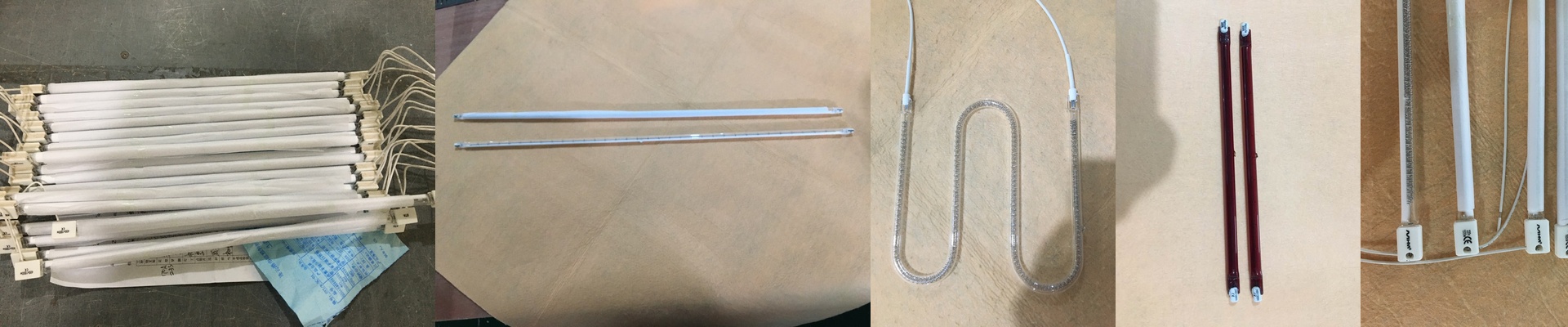
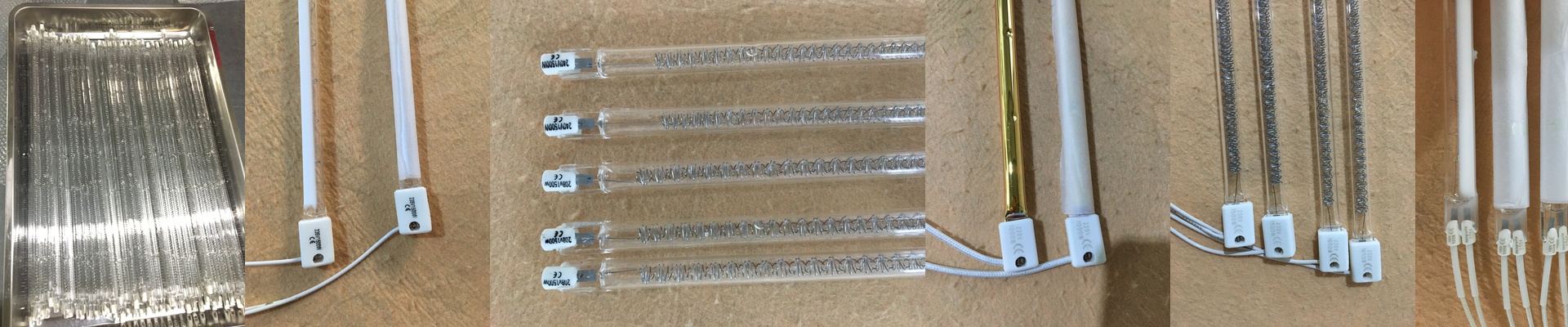
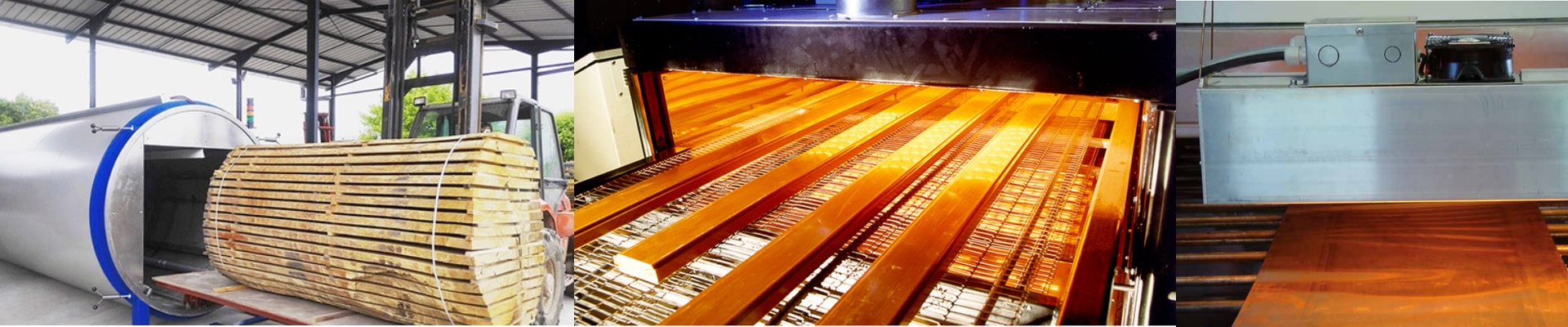
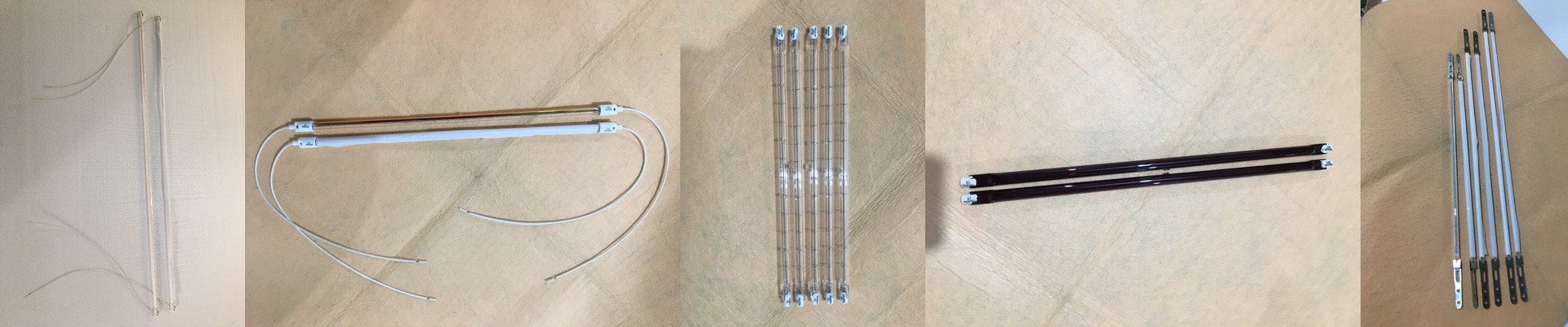
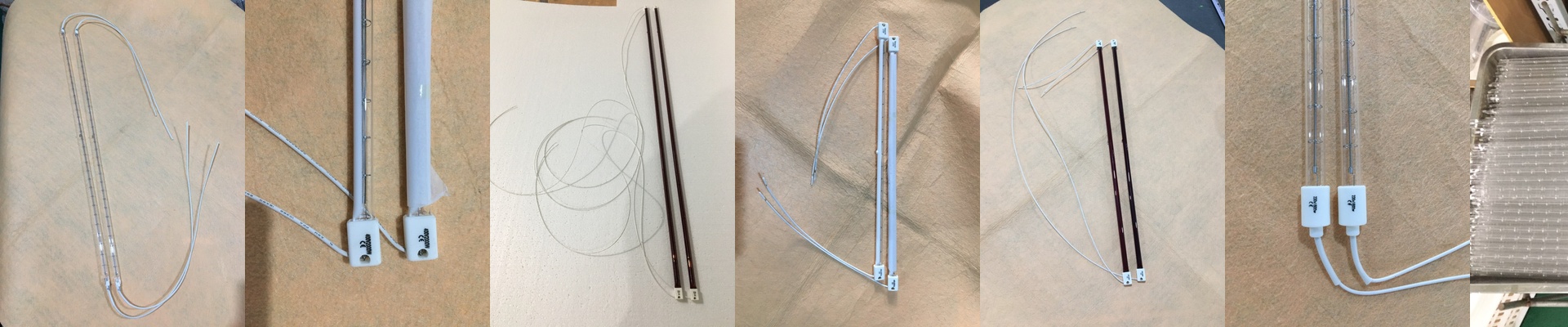
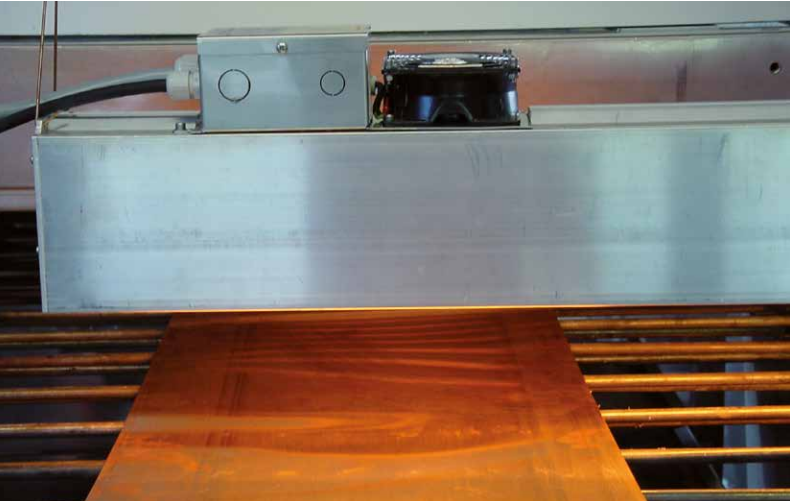
If you’re chasing that perfect, mirror-like gloss on furniture edges, it all comes down to one thing: how you handle the heat at the glue line. Lately, I’ve noticed a lot of the big players in flooring and furniture moving away from those ridiculously expensive imported heaters. They’re switching to domestic high-spec IR heaters instead. Why? Because the heat output is exactly the same, but you aren’t paying a premium just for a fancy label—and replacing them doesn’t break the bank. The secret to the “wet look” To get that deep, wet-look gloss, you need a quick, intense burst of heat. It has to melt the adhesive instantly without torching the material underneath. That’s why we build our IR spares with a concentrated shortwave spectrum. It hits the glue layer fast. If your wattage is too low, the glue just sits there. Too high? You’ve burnt your edge. It’s a delicate balance, but when the power density is dialed in, the melt flows perfectly and leaves you with a flat, high-gloss finish. No clouding, no rewiring We use high-purity quartz glass. This is important because over time, cheaper glass clouds over. Once that happens, your heat transmission tanks. Plus, these are designed as drop-in replacements. The dimensions and connectors match what you already have. You can just swap them out and get back to work—no need to spend your afternoon rewiring the control cabinet. The honest trade-off Here is the thing: if you push these lamps to the absolute limit to crank up your line speed, the filaments will wear out faster. It’s a simple trade-off between how fast you want to move your product and how often you want to change your lamps. Also, a quick tip: use a stabilized power supply. Voltage spikes are the fastest way to kill a high-density heater. If you’ve been struggling with that annoying “orange peel” texture on your edges, this is the fix. By keeping the heat steady, you get a bond that looks and feels just as good as those overpriced European setups.